How carbon fiber sheets are used in ski layups, what specs to define, and how to balance stiffness, feel, and durability against fiberglass and hybrid options.
Introduction
When brands and builders evaluate carbon fiber sheet for skis, the goal is rarely “more carbon” for marketing alone. Carbon fiber sheets—used as woven laminates or as targeted reinforcement layers within a ski sandwich—can raise torsional stiffness, sharpen edge hold feel, and reduce weight in specific zones when compared with glass-only constructions. The trade-off is that carbon can transmit more vibration and can change how a ski behaves in chattery snow if the layup is not tuned with the core, sidewalls, and base materials.
This article explains practical ways carbon fiber sheets appear in ski design, which specifications matter when sourcing, and how to compare them with other reinforcement options. It is written for product managers, OEM buyers, and experienced builders who need repeatable results from prototype to production.
Where Carbon Fiber Sheets Fit in Ski Construction
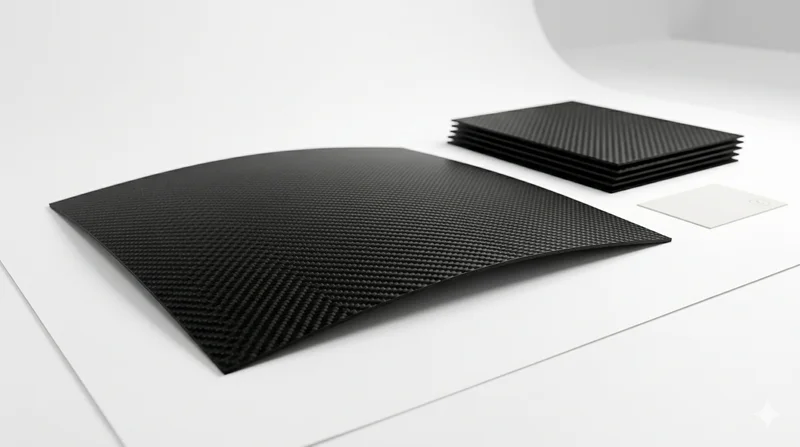
In a typical sandwich ski, layers are stacked above and below a wood or composite core. Carbon fiber sheet for skis is most often applied as woven fabric (for example twill or unidirectional tapes laminated into cloth form) placed in specific zones rather than across the entire ski. Common placements include the binding area, tip/tail stiffness bands, and full-length torsion layers.
- Binding zone reinforcement: helps distribute screw loads and can reduce localized delamination risk when paired with proper core materials.
- Torsional layers: continuous sheets or angled plies increase twist resistance for carving performance.
- Tip/tail stiffness tuning: narrow strips can adjust swing weight and pop without over-stiffening the center.
Because skis flex in complex ways, small changes in sheet orientation and weight can shift the “personality” of the ski more than the same change would in a flat panel.
Specifications That Matter for Sourcing
Specifying materials correctly prevents mismatched expectations between design intent and factory output. The table below highlights key items when buying carbon fiber sheet for skis or related sheet goods.
| Specification | What to define | Why it matters |
|---|---|---|
| Fiber type & modulus | Standard/modulus class and tow size | Affects stiffness, feel, and cost |
| Form & weave | Woven sheet vs UD tape; weave style | Controls drape, directional stiffness, appearance |
| Areal weight | g/m² or equivalent | Primary lever for added stiffness per layer |
| Resin compatibility | Epoxy system used in the press | Must match cure temperature and wet-out behavior |
| Width & length | Roll or sheet dimensions | Impacts nesting, waste, and layup labor |
Buyers comparing broad options should also review general carbon fiber sheets and carbon fiber sheet material data sheets, then validate with trial presses because ski layups combine many layers (fiberglass, carbon, core, sidewall, topsheet).
Design Trade-offs: Carbon vs Other Reinforcements
Carbon is one tool among several. The following comparison helps frame decisions when evaluating carbon fiber sheet uses in skis.
| Reinforcement | Strengths | Considerations |
|---|---|---|
| Carbon fiber sheets/layers | High stiffness-to-weight, precise tuning with orientation | Can feel harsh; damage can be less forgiving if over-driven |
| Fiberglass | Smoother damping, lower cost, proven repair methods | Heavier for similar stiffness in many layups |
| Aramid or hybrid layers | Impact resistance and vibration damping benefits in some designs | Different feel; supply and processing vary |
Many successful skis use carbon strategically—such as a thin carbon layer underfoot plus fiberglass elsewhere—rather than replacing all glass with carbon.
Manufacturing and Quality Considerations
In ski production, consistency between batches is critical. Ask suppliers about fiber lot control, weave tolerances, and packaging that prevents moisture pickup or edge damage on rolls. During prototyping, document press temperature, time, and pressure alongside layup diagrams so results are repeatable.
- Run at least two prototype cycles when changing sheet weight or orientation.
- Check edge durability and base adhesion zones carefully after impact testing.
- Align sustainability goals with material choices; some programs track scrap and resin usage per pair.
For technical background on composite reinforcement behavior, resources from CompositesWorld can complement factory trials and on-snow testing.
Frequently Asked Questions
Does carbon fiber always make skis faster?
No. Carbon mainly changes stiffness, response, and weight. Speed on snow depends heavily on base material, structure, wax, and technique; a poorly tuned carbon layup can feel unstable or overly harsh.
Can carbon fiber sheets be repaired like fiberglass?
Repairs are possible but require compatible resins and careful cosmetic/structural assessment. Delaminations or core damage near carbon layers should be evaluated by a qualified shop to avoid hidden weaknesses.
Conclusion
Using carbon fiber sheet for skis is a design decision that pays off when specifications, layup intent, and manufacturing control are aligned. Focus on where stiffness is needed, validate with prototypes, and source materials with clear data sheets and traceability. If you are developing a new model or stabilizing a production run, YongXian can help you evaluate sheet options and supply consistent materials—start a conversation through our contact page.
Part of topic
Related Articles
- Carbon Fiber Plate for Guitar: Design, Specs and Sourcing
- Carbon Fiber Sheet for Surfboard: Design, Specs and Sourcing
- Carbon Fiber Tube for Speaker: Design, Specs and Sourcing
- Carbon Fiber Sheet for Yacht Interior: Design, Specs and Sourcing
- Carbon Fiber Sheet for Skateboard Deck: Design, Specs and Sourcing
- Carbon Fiber Plate for 3D Printer: Design, Specs and Sourcing | YongXian
Interested in Our Products?
Contact our team for competitive pricing and technical specifications.
Get a QuoteRelated Products
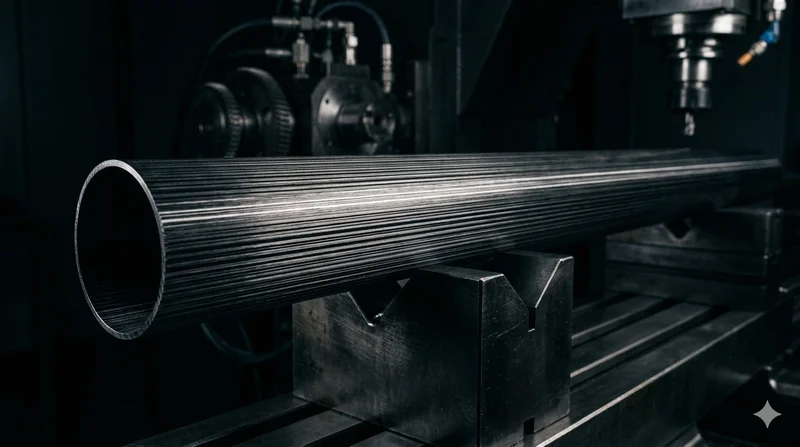
Round Carbon Fiber Tube — UD Unidirectional T700
Unidirectional (UD) round tube with all fibers aligned axially for maximum longitudinal stiffness. Ideal for applications requiring high bending rigidity with minimal weight, such as shafts, struts, and structural reinforcements.
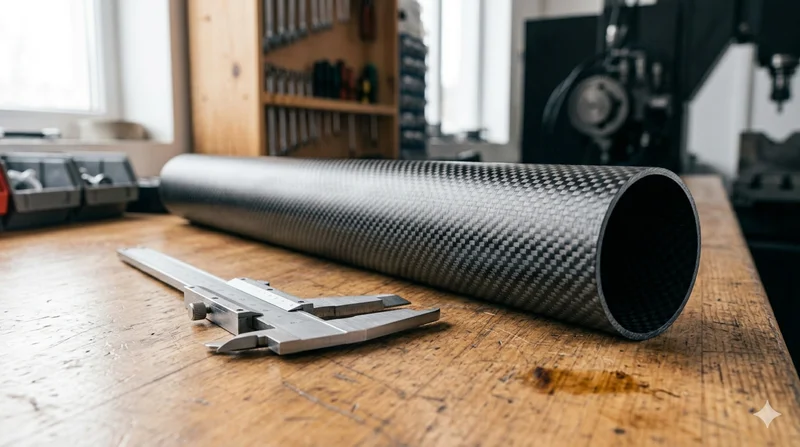
Round Carbon Fiber Tube — 3K Plain Weave T700
Standard round carbon fiber tube manufactured from Toray T700 grade fiber with 3K plain weave. Offers balanced strength and stiffness for general industrial applications including robotics, automation, sports equipment, and aerospace structures.
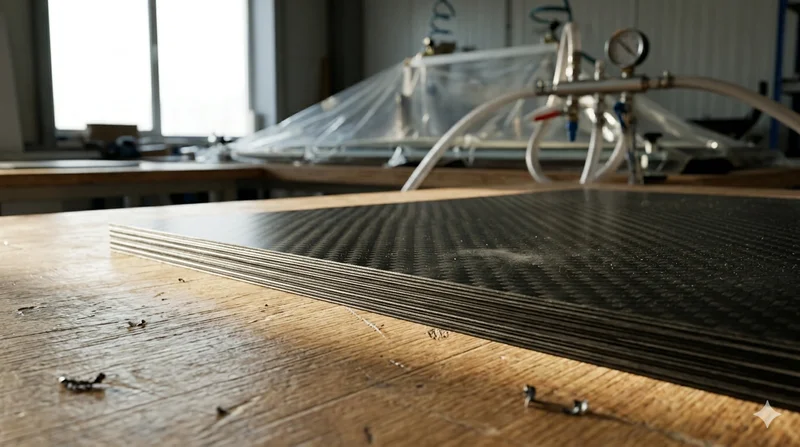
Carbon Fiber Plate — 3K Twill T700 3.0mm
Medium-thickness 3.0mm carbon fiber plate offering significantly higher load capacity while maintaining attractive 3K twill finish. Suitable for structural brackets, reinforcement plates, and load-bearing panels.
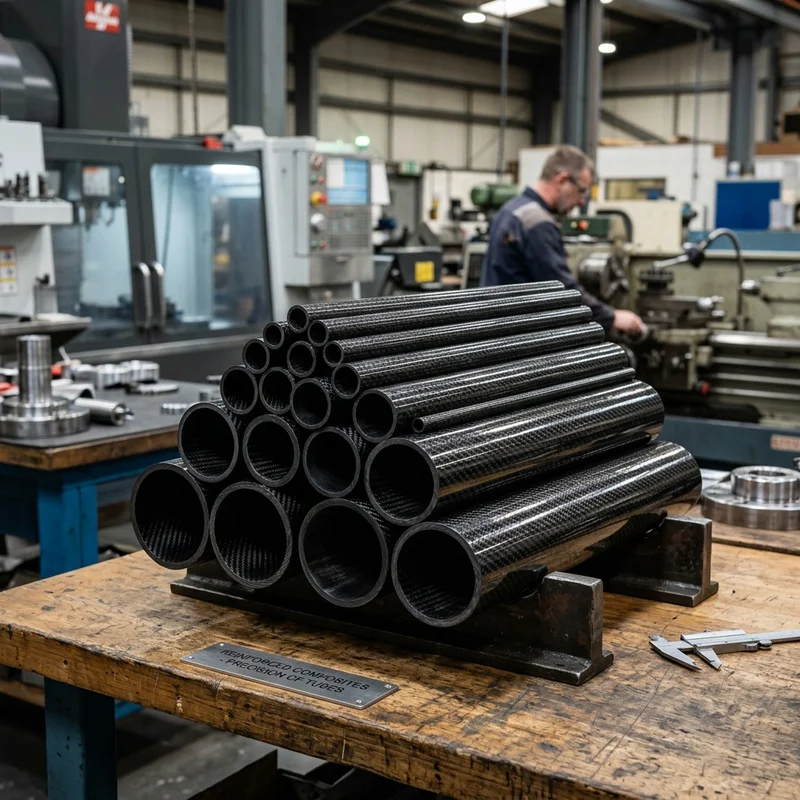
Round Carbon Fiber Tube — 3K Twill
Lightweight and ultra-stiff round tubes ideal for drone frames, robotics, and structural applications.
Carbon Fiber Plate — 3K Twill T700 1.5mm
Thin 1.5mm carbon fiber plate with 3K twill weave surface. Lightweight and stiff, commonly used for covers, panels, drone bodies, and applications requiring a premium aesthetic appearance.