Carbon Fiber Plate — 3K Twill T700 1.5mm
Lightweight

Carbon Fiber Plate — 3K Twill T700 1.5mm

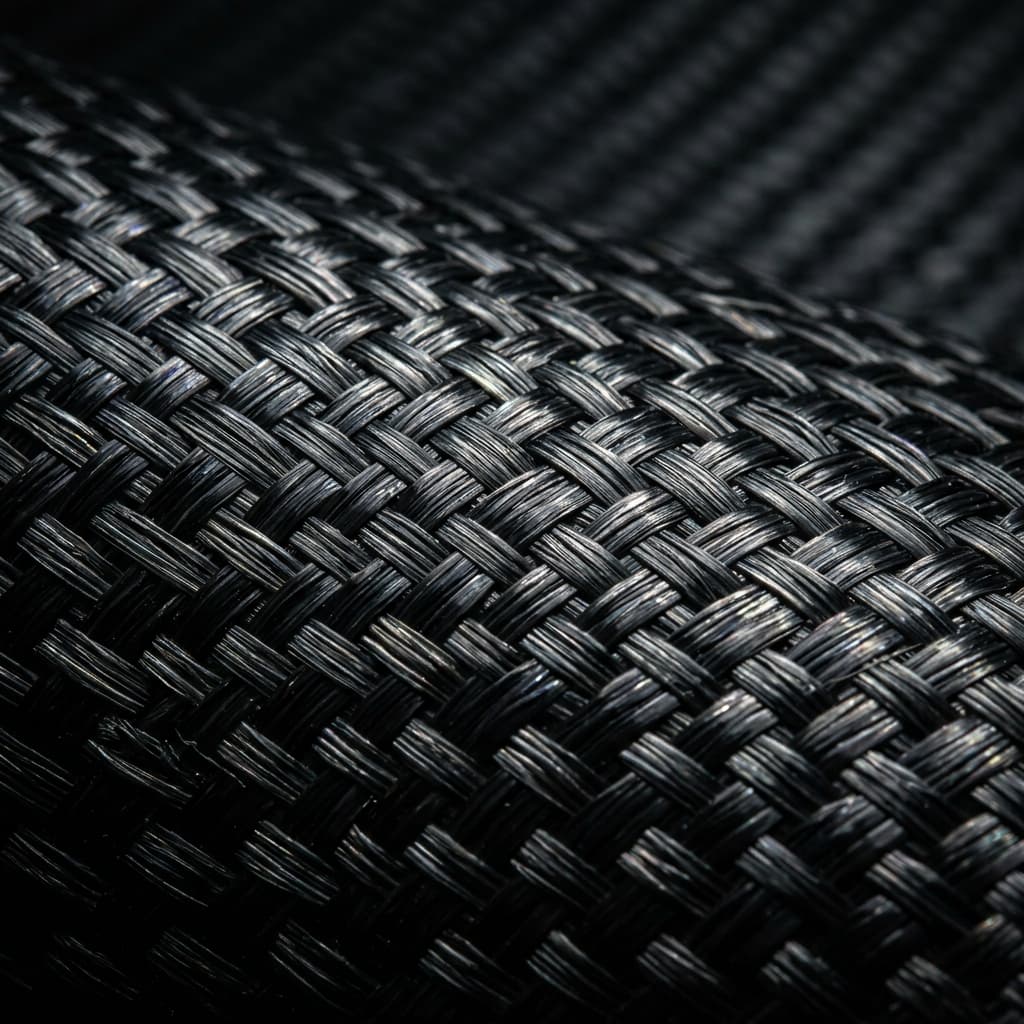
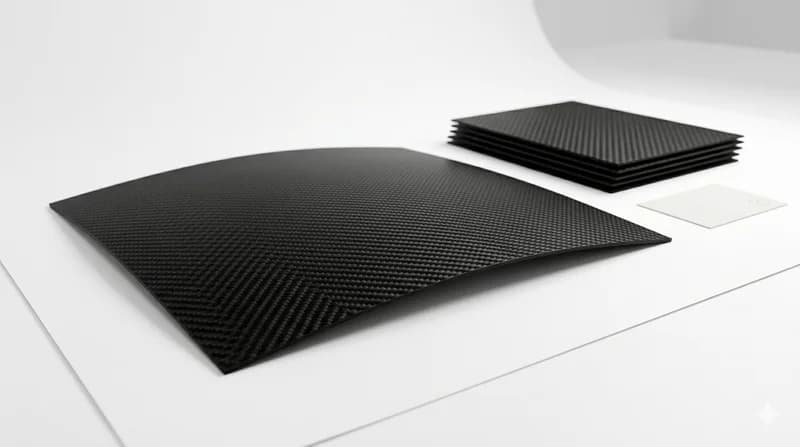
Thin 1.5mm carbon fiber plate with 3K twill weave surface. Lightweight and stiff, commonly used for covers, panels, drone bodies, and applications requiring a premium aesthetic appearance.

0 viewsRequest a Quote

Key Features

1.5mm thin profile — ultra lightweight
3K twill cosmetic surface
T700 grade fiber
Excellent flatness tolerance
Available with protective peel ply

Applications

Drone bodiesElectronic enclosuresLightweight panelsModel makingInterior trim

Specifications

Fiber Grade
T700
Weave Pattern
3K Twill
Thickness
1.5 mm (±0.1)
Max Sheet Size
1200 × 1000 mm
Surface
Glossy / Matte
Request a Quote

Usually respond within 24 hours

Frequently Asked Questions

What is the minimum order quantity for carbon fiber products?
We accept small-batch customization. Minimum quantities vary by product type — tubes and plates have lower MOQs, while custom-shaped parts depend on tooling requirements. Contact our sales team for a detailed quote.
What color and finish options are available?
Standard finishes include 3K plain/twill weave, UD unidirectional, and satin, primarily in black. Custom colors and surface coatings — including matte and gloss clear coats — are also available.
What is the typical lead time?
Standard product lead time is 15–25 working days. Custom products are evaluated based on process complexity. Rush service is available — please confirm timelines when requesting a quote.

Related Articles

Carbon Fiber Armored Vehicle Hatches and Doors: Ballistic Performance and Weight Reduction for Tactical Wheeled Vehicles

Carbon Fiber Armored Vehicle Hatches and Doors: Ballistic Performance and Weight Reduction for Tactical Wheeled Vehicles

Introduction Carbon fiber armored vehicle hatches and doors represent one of the highest-value applications of composites in land defense. Unlike hull armor, which is bonded or bolted directly to the vehicle structure, hatches and doors must be movable, sealable, and repeatedly opened under field co

Aug 2, 2026Read
Carbon Fiber Active Grille Shutters: Lightweight Aerodynamic Components for EV Range Optimization

Carbon Fiber Active Grille Shutters: Lightweight Aerodynamic Components for EV Range Optimization

Introduction Active grille shutters are among the most effective aerodynamic devices on modern vehicles, yet they remain one of the least discussed. An active grille shutter is a set of movable louvers mounted behind the front grille that close at highway speeds to reduce airflow through the engine

Aug 2, 2026Read
3D Woven Carbon Fiber Preforms for Aerospace: Z-Direction Reinforcement and Near-Net-Shape Manufacturing

3D Woven Carbon Fiber Preforms for Aerospace: Z-Direction Reinforcement and Near-Net-Shape Manufacturing

Introduction 3D woven carbon fiber preforms represent one of the most significant advances in aerospace composite manufacturing in the past two decades. Conventional carbon fiber composites are built as stacked 2D laminates, where individual plies are bonded only by the resin matrix. This architectu

Aug 2, 2026Read
CFRP Rebar for Concrete Reinforcement: Bond Strength, Crack Control, and Design Codes for RC Structures

CFRP Rebar for Concrete Reinforcement: Bond Strength, Crack Control, and Design Codes for RC Structures

Introduction Steel reinforcement is the backbone of modern concrete construction, but it has one fundamental weakness: corrosion. In marine environments, bridge decks treated with deicing salts, and industrial facilities exposed to chemicals, steel rebar corrodes and spalls the surrounding concrete,

Aug 2, 2026Read
United Kingdom Carbon Fiber Market 2026: Aerospace R&D, Defense Procurement, and Net-Zero Manufacturing

United Kingdom Carbon Fiber Market 2026: Aerospace R&D, Defense Procurement, and Net-Zero Manufacturing

Introduction The United Kingdom carbon fiber market in 2026 occupies a distinctive position in Europe. It is not the largest consumer of carbon fiber by volume — Germany and France hold that distinction — but it is arguably the most influential in research and development terms. The UK hosts the Nat

Aug 2, 2026Read
Type IV Cryogenic Hydrogen Tank Manufacturing: Carbon Fiber Winding Parameters for −253°C Service

Type IV Cryogenic Hydrogen Tank Manufacturing: Carbon Fiber Winding Parameters for −253°C Service

Introduction Liquid hydrogen offers the highest gravimetric energy density of any practical fuel, but storing it at −253°C places extreme demands on containment systems. Type IV tanks — a polymer liner overwrapped with carbon fiber reinforced polymer — have emerged as the leading lightweight solutio

Aug 2, 2026Read