Carbon fiber sheet for yacht interior work gives a joinery shop a lightweight, stiff panel material that holds a gloss finish across large bulkhead faces without the weight penalty of solid timber or thick FRP laminates. Designers request carbon fiber sheet for yacht interior bulkheads, cabinet door
Introduction
Carbon fiber sheet for yacht interior work gives a joinery shop a lightweight, stiff panel material that holds a gloss finish across large bulkhead faces without the weight penalty of solid timber or thick FRP laminates. Designers request carbon fiber sheet for yacht interior bulkheads, cabinet doors, and trim because the weave reads as a premium material under marine-grade clear coat, but only when the sheet is specified for the humidity, fire-rating, and bonding conditions actually found onboard. This guide covers material choices, thickness and finish specs, practical carbon fiber sheet uses in a fit-out, and how to order carbon fiber sheets so panels arrive flat, certified, and ready to trim.
If you have ever received sheets that telegraphed weave under gloss, curled in a humid shed, or failed a fire test because the resin system was wrong, the sections below explain what went wrong and how to write the next purchase order so the interior package lands right.
Carbon Fiber Sheet for Yacht Interior Design Use Cases
On a yacht, carbon fiber sheet for yacht interior work appears where weight aloft matters and where a large flat surface must stay flat for years of thermal cycling. The design question is placement: carbon on a visible bulkhead face is a finish decision, carbon behind a door skin is a stiffness decision, and carbon as a structural backer under a hinge is a load decision. Mixing those three intents on one panel usually produces a part that is either over-built and heavy or under-built and oily-looking under gloss.
- Visible bulkhead panels: 1 to 2 mm sheets under clear coat, bookmatched weave for a continuous grain across adjacent faces.
- Cabinet and door skins: 0.5 to 1 mm laminates on lightweight cores to cut swing weight on overhead lockers.
- Trim and bezels: preformed strips around instruments, vents, and handrail terminations.
- Structural backers: hidden pads under hinge plates and grab-handle anchors, specified by load, not by look.
Bookmatching requires grain planning before the press, not after. Send your shop drawing with weave direction arrows on every panel; a supplier who guesses orientation will deliver a bulkhead where the twill runs two different ways on either side of a door line.
Thickness, Finish and Fire Rating Specs
The table below maps common carbon fiber sheet options to yacht interior duties. Thickness is the cured laminate including any clear coat you ask the shop to apply. Fire rating depends on the resin system and any core material, not on the carbon itself, so always request the test certificate for the exact panel build-up you will install.
| Panel Type | Cured Thickness | Finish | Typical Duty | Fire Note |
|---|---|---|---|---|
| Visible bulkhead skin | 1.0 to 2.0 mm | Mirror clear coat | Cabin saloon faces | Resin system must meet the yacht class requirement |
| Locker door skin | 0.5 to 1.0 mm | Satin clear coat | Overhead cabinet doors | Pair with approved lightweight core |
| Instrument bezel | 0.8 to 1.5 mm | Gloss or matte | Nav station trim | Keep thickness under cutout tolerance |
| Hidden structural pad | 1.0 to 3.0 mm | Untreated bond side | Hinge and handle backing | Documented in the laminate schedule |
| Floor insert | 2.0 to 3.0 mm | Non-skip texture | Companionway steps | Slip resistance tested separately |
Gloss on a large carbon face telegraphs every substrate defect, so the core under a visible panel must be as flat as the finish you promise. Order a sanded, sealed substrate from the same shop that presses the carbon, or budget for a full fairing cycle before the clear coat goes on.
Carbon Fiber Sheet Uses in a Marine Fit-Out
Beyond the visible panels, carbon fiber sheet uses in a yacht interior fall into three categories that refit yards see every season. Knowing which category you need keeps the material order tight and the install schedule realistic.
- Weight reduction aloft: replacing solid timber cabinet fronts with carbon-faced foam core panels can cut 30 to 50 percent of the panel weight, which matters for stability.
- Stiffness without thickness: thin carbon skins keep doors and lockers flat where a thin FRP panel would oil-can over a season of heat.
- Moisture-stable surfaces: properly sealed carbon does not swell, so door gaps stay even through humid seasons and air-conditioned cabins.
What carbon does not do is replace a fire-rated substrate on its own. If the class society requires a certified fire barrier, carbon is the finish layer; the barrier underneath still has to be the approved board, and the bond between them has to be documented.
Sourcing Carbon Fiber Sheets and Placing the Order
Marine buyers typically order carbon fiber sheets cut to the panel schedule rather than full sheets, because nest efficiency on irregular bulkhead shapes saves both material and trimming labor. When you approach a supplier, send six items: panel dimensions with weave direction, cured thickness tolerance of plus or minus 0.1 mm, finish grade (mirror, satin, matte, or non-skip), one-side or two-side bond prep, fire-rating certificate requirement, and total square meters by delivery phase. Suppliers that receive all six quote accurately; suppliers that receive only "carbon sheets for a yacht" quote a laminate you will have to rework at the yard.
Lead time for coated marine panels runs 10 to 15 working days; bookmatched sets for a full saloon add 3 to 5 days for grain matching. Ask for a flatness certificate on every panel over 600 mm in any dimension, and require corner protection plus vertical crating so sheets arrive without the edge dings that show up first under gloss. Budget 5 to 10 percent overage for cutouts, screw holes, and the one panel that always gets mis-measured.
Frequently Asked Questions
What thickness of carbon fiber sheet for yacht interior panels should I specify?
For visible bulkhead faces, 1 to 2 mm cured laminates under mirror clear coat are the normal range; cabinet door skins drop to 0.5 to 1 mm on a lightweight core. Structural backers under hinges are load-driven and often 1 to 3 mm. Always state finished thickness after clear coat, not before, so cutouts and edge trims land right.
Does carbon fiber sheet meet yacht fire-rating rules?
Carbon itself is not a fire barrier. The resin system and any core material determine the rating, so request the test certificate for the exact panel build-up your class society accepts. Use carbon as the finish layer over an approved fire-rated substrate when a certified barrier is required.
Can carbon fiber sheets be repaired onboard if they get scratched?
Light scratches in the clear coat can be wet-sanded and re-polished at the finish grade you originally specified. Deep scratches that reach the carbon weave need a local patch and a blended clear coat, which is harder to hide on a mirror finish than on satin; specify satin on high-traffic surfaces if crew will be handling panels often.
Conclusion
Carbon fiber sheet for yacht interior fit-outs works when thickness, finish, and fire-rating documentation match the actual install condition, not when you buy the thinnest glossy sheet available. Plan visible faces at 1 to 2 mm under a certified resin system, keep structural pads load-driven, order carbon fiber sheets cut to the panel schedule with weave direction marked, and require flatness and fire certificates with the shipment. When you are ready to order, browse our carbon fiber sheet range or contact our team with your panel drawings, finish grade, and delivery phases.
Part of topic
Related Articles
- Carbon Fiber Tube for Speaker: Design, Specs and Sourcing
- Carbon Fiber Sheet for Skateboard Deck: Design, Specs and Sourcing
- Carbon Fiber Plate for 3D Printer: Design, Specs and Sourcing | YongXian
- Carbon Fiber Rod for Construction Reinforcement: Design, Specs and Sourcing | YongXian
- Carbon Fiber Plate for Signage: Design, Specs and Sourcing | YongXian
- Carbon Fiber Sheet for Furniture: Design, Specs and Sourcing | YongXian
Interested in Our Products?
Contact our team for competitive pricing and technical specifications.
Get a QuoteRelated Products
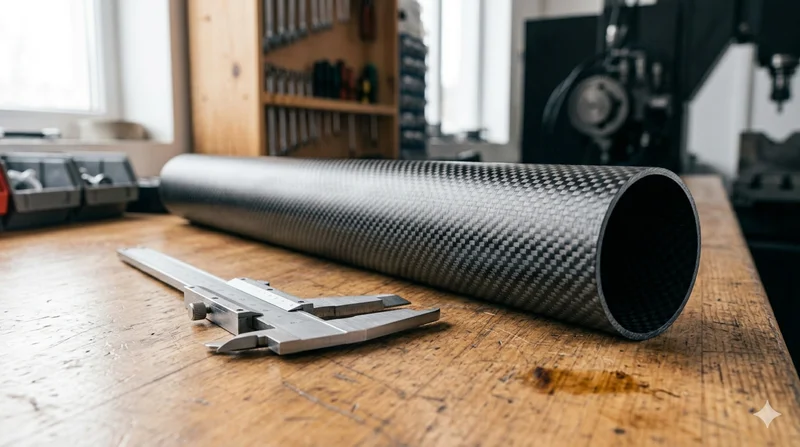
Round Carbon Fiber Tube — 3K Plain Weave T700
Standard round carbon fiber tube manufactured from Toray T700 grade fiber with 3K plain weave. Offers balanced strength and stiffness for general industrial applications including robotics, automation, sports equipment, and aerospace structures.
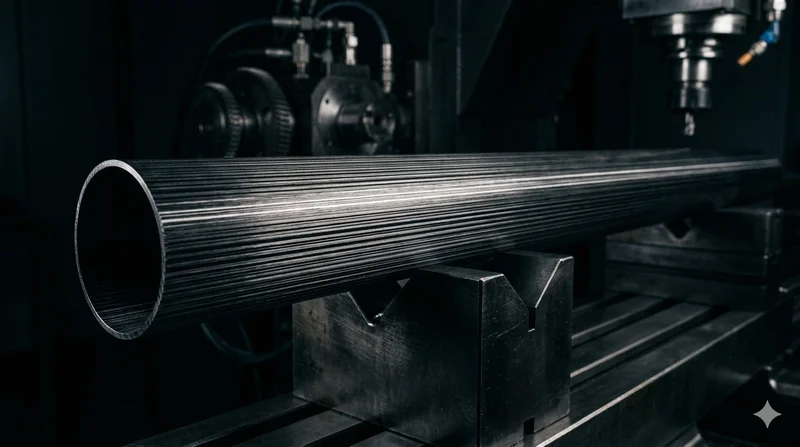
Round Carbon Fiber Tube — UD Unidirectional T700
Unidirectional (UD) round tube with all fibers aligned axially for maximum longitudinal stiffness. Ideal for applications requiring high bending rigidity with minimal weight, such as shafts, struts, and structural reinforcements.
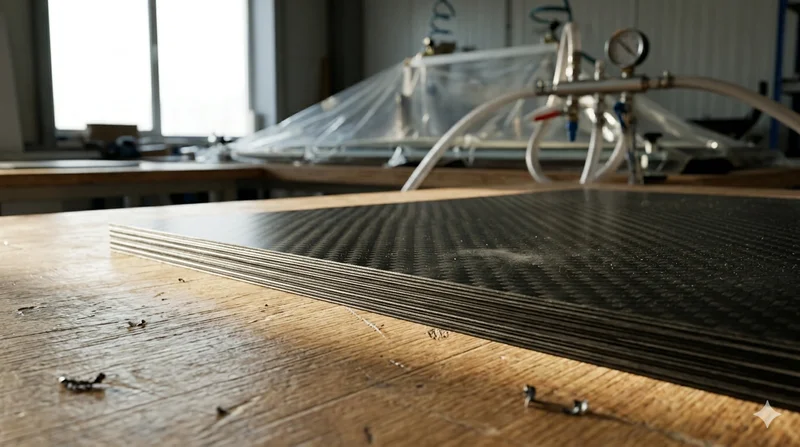
Carbon Fiber Plate — 3K Twill T700 3.0mm
Medium-thickness 3.0mm carbon fiber plate offering significantly higher load capacity while maintaining attractive 3K twill finish. Suitable for structural brackets, reinforcement plates, and load-bearing panels.
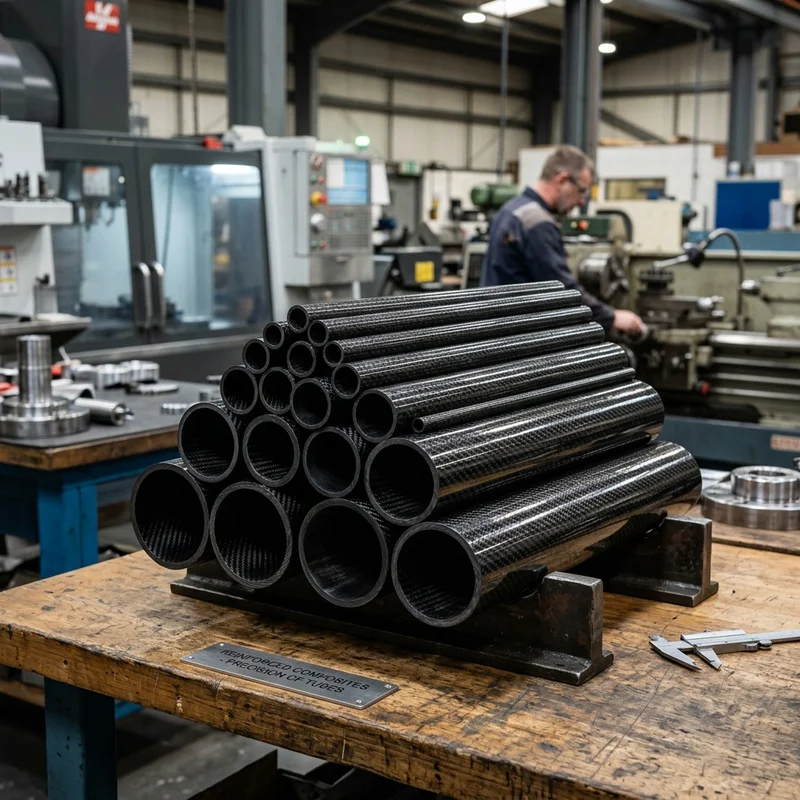
Round Carbon Fiber Tube — 3K Twill
Lightweight and ultra-stiff round tubes ideal for drone frames, robotics, and structural applications.
Square Carbon Fiber Tube — 3K Twill T700
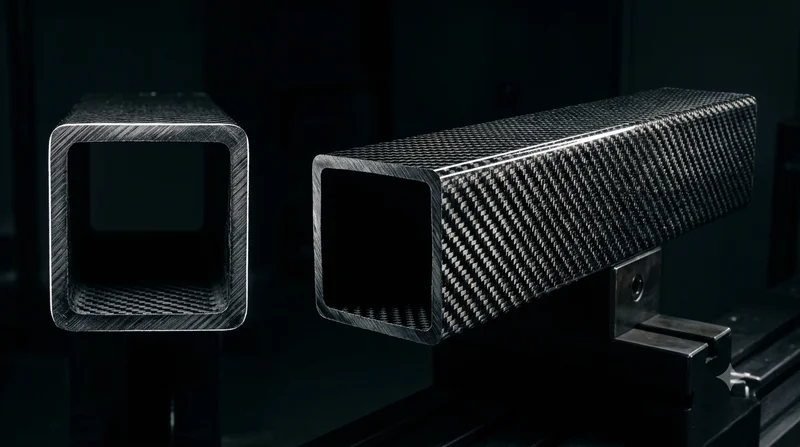
Square cross-section carbon fiber tube manufactured with 3K twill weave for torsional strength. Preferred for structural frames, trusses, and support columns where rectangular geometry offers design flexibility.