Filament wound epoxy tubing is a cylindrical composite structure made by winding continuous fiber tows under tension onto a rotating mandrel and curing them in an epoxy matrix. The process orients fibers at controlled angles, which means the tubing can be engineered for specific load cases rather th
Introduction
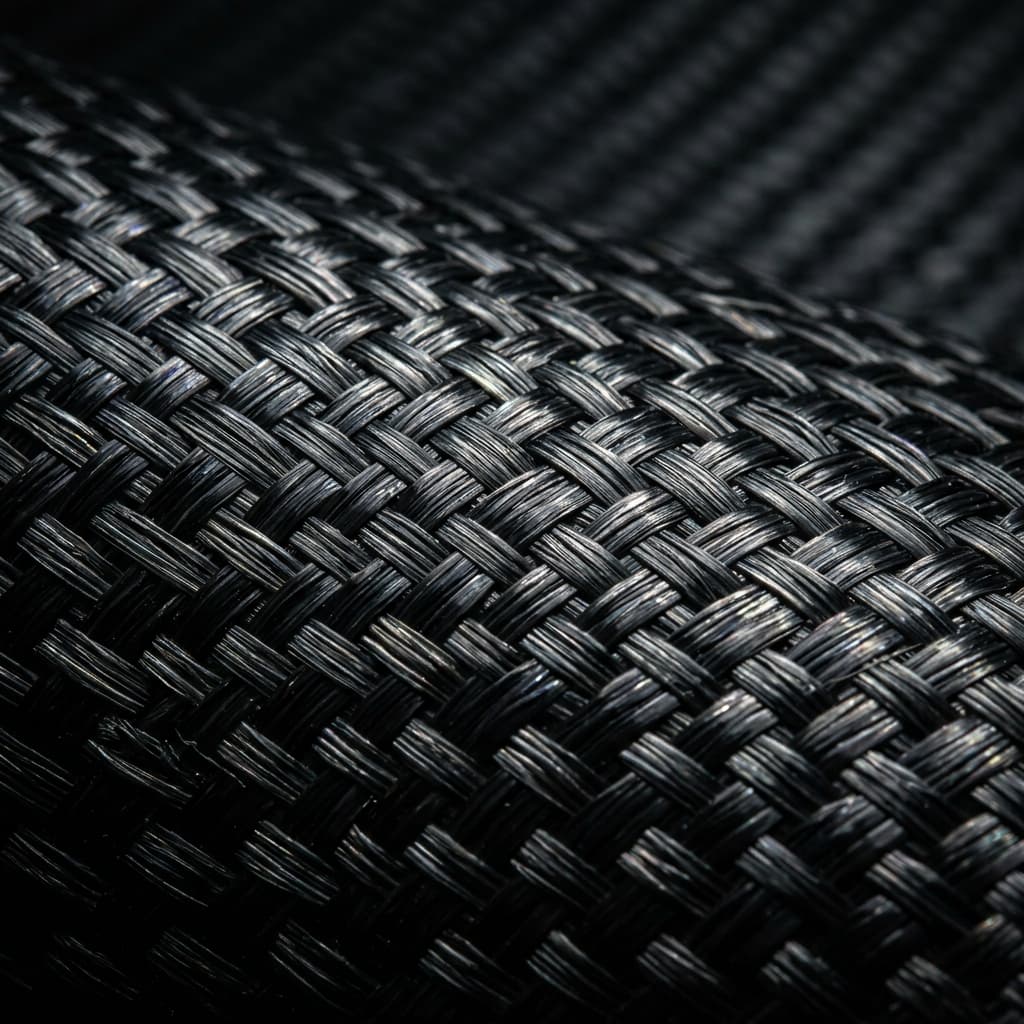
Filament wound epoxy tubing is a cylindrical composite structure made by winding continuous fiber tows under tension onto a rotating mandrel and curing them in an epoxy matrix. The process orients fibers at controlled angles, which means the tubing can be engineered for specific load cases rather than accepting the isotropic properties of metal pipe. Engineers choose filament wound epoxy tubing when they need high specific strength, excellent fatigue behavior, and resistance to corrosion and chemical attack in components such as hydraulic cylinders, drive shafts, antenna masts, and structural struts.
This guide covers how filament wound epoxy tubing is manufactured, the mechanical properties that matter for design, how to select wall thickness and winding angles, and the practical considerations that determine whether a filament wound tube outperforms metal, pultruded, or rolled alternatives. The information applies to both industrial machinery and aerospace structures, where the weight and fatigue advantages of filament winding are most valuable.
How Filament Wound Epoxy Tubing Is Manufactured
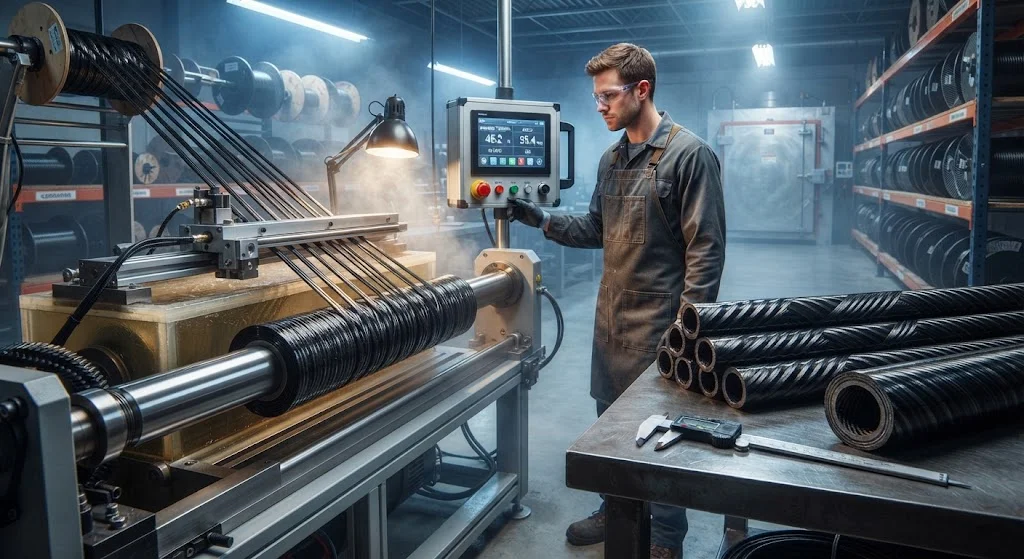
Filament winding is a repeatable, highly automated process. Fiber tows, typically carbon, glass, or aramid, pass through a resin bath and are wound onto a steel or aluminum mandrel whose surface defines the inside diameter of the tube. A computer-controlled carriage traverses the mandrel at a speed that sets the winding angle relative to the axis. After the required number of layers is applied, the component is cured — often at elevated temperature in an oven — and the mandrel is extracted, leaving a hollow tube with a smooth bore.
| Process Parameter | Typical Range | Design Consequence |
|---|---|---|
| Winding angle | ±15° to ±90° from the axis | Low angles maximize axial stiffness; high angles maximize hoop strength |
| Fiber volume fraction | 55-65% | Higher fiber content raises stiffness and strength but complicates wet-out |
| Layer count | 4-40 layers | Sets wall thickness and burst pressure rating |
| Cure temperature | 120-180°C for epoxy | Determines glass transition temperature and chemical resistance |
| Mandrel extraction | Collapsible or wash-out | Limits achievable bore finish and taper |
Because the winding angle can be changed layer by layer, filament wound epoxy tubing can be designed as a near-isotropic laminate or as a highly orthotropic structure tailored to a dominant load. This ply-angle tailoring is the core advantage of an FW composite tube over rolled tubes, which are limited to a 0°/90° fiber architecture, and over pultruded tubes, which are essentially unidirectional and weak in the hoop direction.
Key Mechanical Properties of Filament Wound Epoxy Tubing
The mechanical behavior of filament wound epoxy tubing depends on fiber type, winding angle, and fiber volume fraction. The table below summarizes representative properties for carbon and glass fiber versions with a balanced ±55° winding angle, the common industry default for pressure vessels and piping:
| Property | Carbon Fiber (±55°) | E-Glass (±55°) | 6061 Aluminum Tube |
|---|---|---|---|
| Tensile modulus (axial) | 55-70 GPa | 20-30 GPa | 68.9 GPa |
| Hoop tensile strength | 800-1,200 MPa | 400-600 MPa | 290 MPa (yield) |
| Density | 1.55-1.60 g/cm³ | 1.90-2.10 g/cm³ | 2.70 g/cm³ |
| Fatigue endurance limit | 60-70% of static strength | 30-40% of static strength | 35-50% of static strength |
| Glass transition temperature | 150-180°C | 150-180°C | Not applicable |
Two characteristics deserve emphasis. First, the hoop strength of a ±55° laminate is typically 2-3 times its axial strength, which is exactly what pressure-loaded tubes require. Second, carbon fiber filament wound tubing exhibits an excellent fatigue life because the epoxy matrix protects the fibers from fretting and the fiber-dominated layup resists progressive damage better than metal. In rotating and cyclic applications this fatigue advantage often dominates the selection decision.
Selecting Filament Wound Epoxy Tubing: Wall Thickness and Winding Angle
Selection of filament wound epoxy tubing starts with the load spectrum. A tube carrying internal pressure, such as a hydraulic accumulator or gas cylinder liner, needs hoop-dominated plies at ±55° or higher. A tube carrying bending or axial loads, such as a drive shaft or strut, needs lower angles in the range of ±15° to ±30° to align fibers with the load direction. Most designs use a hybrid schedule that combines both angle families.
- Internal pressure: Use ±55° to ±90° plies; wall thickness is set by burst pressure with a typical design factor of 3.5-4.0 on ultimate strength.
- Bending and torsion: Combine low-angle plies for axial stiffness with ±45° plies for shear; the laminate becomes quasi-isotropic when three angle families are balanced.
- Bearing and joint loads: Add hoop reinforcement at the tube ends or specify metal end fittings bonded and pinned into the composite.
- Environmental exposure: Specify a resin system with adequate glass transition temperature and verify chemical compatibility with the service fluid.
Wall thickness is rarely the only consideration. The inside diameter is fixed by the mandrel, so tolerances on the bore are excellent, while the outside diameter depends on winding tension and resin content. Buyers should specify whether the critical dimension is the bore, the outer diameter, or both, because that choice determines the finishing operations required after cure.
Industrial and Aerospace Applications
Filament wound epoxy tubing appears wherever cylindrical strength must be combined with low weight and long fatigue life. In industrial machinery, common uses include hydraulic cylinders, pneumatic actuator tubes, rollers, and drive shafts for textile and packaging equipment. As a filament wound pipe, the same material also serves fluid transfer and pressure lines in chemical and marine service. The corrosion resistance of the epoxy matrix eliminates the plating, painting, and maintenance that steel tubing requires in wet or chemical environments.
- Aerospace struts and links: Filament wound carbon tubes replace aluminum and steel in landing gear components, flap actuators, and cargo restraint systems, saving 40-60% weight.
- Antenna masts and radomes: The dielectric transparency of glass fiber versions and the stiffness of carbon versions suit both communication masts and RF-transparent structures.
- Energy sector: Filament wound epoxy tubing is used in downhole tools, drill pipe centralizers, and composite riser sections where steel suffers corrosion fatigue.
- Transport: Drive shafts and torque tubes in automotive and rail applications exploit the high torsional stiffness-to-weight ratio.
For aerospace use, additional requirements apply: material traceability, controlled fiber volume fraction, non-destructive inspection of every production lot, and qualification of the resin system against outgassing and flammability specifications. Industrial buyers typically focus instead on dimensional tolerance, burst rating, and cost per meter, which favors higher-volume manufacturing runs.
Frequently Asked Questions
How does filament wound epoxy tubing compare with pultruded carbon fiber tube?
Pultruded tube is essentially unidirectional: the fibers run along the axis, giving excellent axial stiffness but low hoop strength, so it is best suited to columns, struts, and push-pull rods. Filament wound epoxy tubing adds off-axis plies, giving it the hoop strength and burst resistance needed for pressure, torsion, and combined loading. If the application is purely axial compression or tension, pultruded tube is usually cheaper; if the tube carries pressure, torque, or impact, filament winding is the correct process.
What is the typical burst pressure for filament wound epoxy tubing?
Burst pressure depends on diameter, wall thickness, fiber type, and winding angle. As a rough guide, a carbon fiber tube with a 50 mm inside diameter and a 3 mm wall wound at ±55° withstands burst pressures in the range of 80-120 MPa before failure, while an equivalent glass fiber tube reaches roughly half that value. Manufacturers publish burst data from hydrostatic tests, and design codes typically require a burst safety factor of 3.5-4.0 for pressure applications.
Can filament wound epoxy tubing be machined and joined?
Yes. The composite can be cut, drilled, and turned with carbide tooling, though the bore should be machined with care to avoid fiber delamination at the ends. Joining is most reliably done with bonded metal end fittings, which distribute the load over a large bonded area; threaded inserts and bolted flanges are also used when the joint must be demountable. For pressure applications, the joint must be designed to carry the full axial load of the tube, which typically means a bonded sleeve or pin-collar arrangement.
Conclusion
Filament wound epoxy tubing offers a unique combination of hoop strength, fatigue resistance, corrosion immunity, and weight savings that makes it the engineering choice for pressure vessels, drive shafts, struts, and masts across industrial and aerospace applications. The selection process is straightforward when the load spectrum is defined first: choose the winding angle family to match the dominant load, set the wall thickness from burst or buckling requirements, and specify a resin system suited to the service temperature and environment.
YongXian manufactures filament wound epoxy tubing in carbon, glass, and hybrid fiber configurations with custom diameters, wall thicknesses, and winding schedules. Whether you need epoxy wound tubing for a pressure vessel liner or a lightweight structural strut, browse our carbon fiber tube and composite products or contact our engineering team for a winding schedule recommendation and mechanical data for your specific application.
Part of topic
Related Articles
- Filament Wound Epoxy Tubes Advantages: Over Metal and Pultruded Alternatives
- Carbon Fiber Tube Strength: Analysis Methods and Design Allowables
- Filament Wound Epoxy Tubes: Mechanical Properties and Material Data Sheets
- Carbon Fiber Drone Blades and Propellers: Stiffness, Balance and Noise Reduction
- Fiberglass Filament Wound Tubes: Cost-Effective Alternative to Carbon Fiber
- Filament Wound Epoxy Tube Design: Wall Thickness, Fiber Angle and Load Optimization
Interested in Our Products?
Contact our team for competitive pricing and technical specifications.
Get a QuoteRelated Products
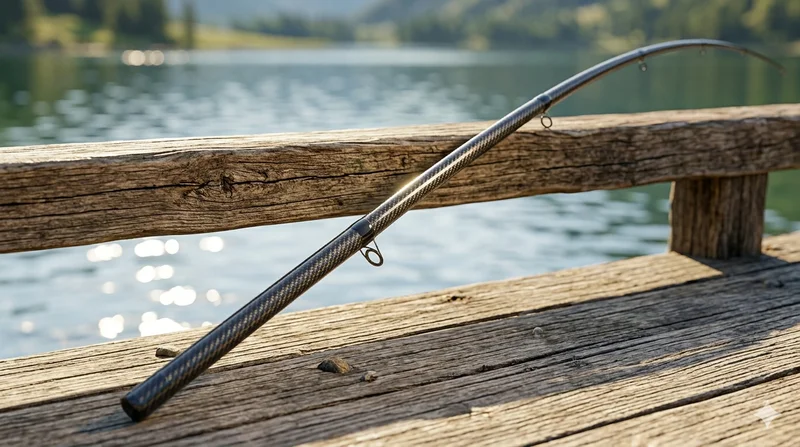
Carbon Fiber Fishing Rod Blank
High-quality carbon fiber fishing rod blank manufactured from multiple grades of Toray carbon fiber cloth. Available in a wide range of lengths, powers, and actions for freshwater and saltwater applications. Suitable for OEM rod building.

Carbon Fiber Plate — 3K Twill T700 1.5mm
Thin 1.5mm carbon fiber plate with 3K twill weave surface. Lightweight and stiff, commonly used for covers, panels, drone bodies, and applications requiring a premium aesthetic appearance.
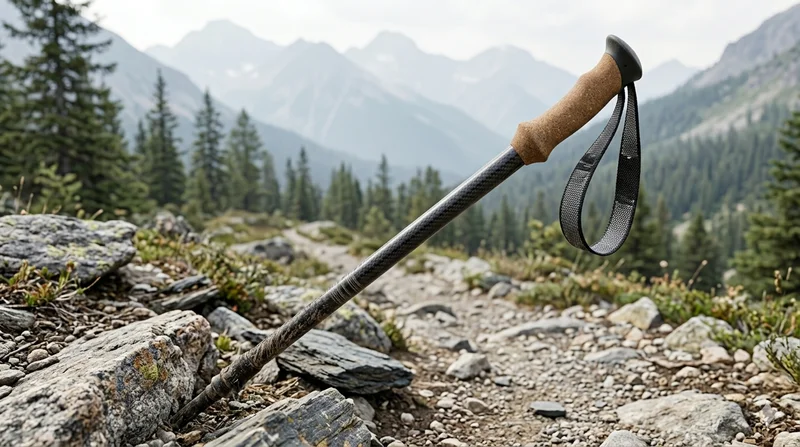
Carbon Fiber Trekking Pole
Lightweight carbon fiber trekking pole manufactured from high-grade carbon fiber tube. Weighs only 160g per pole while providing superior shock absorption and durability for hiking, trail running, and backpacking.

Square Carbon Fiber Tube — 3K Twill T700
Square cross-section carbon fiber tube manufactured with 3K twill weave for torsional strength. Preferred for structural frames, trusses, and support columns where rectangular geometry offers design flexibility.
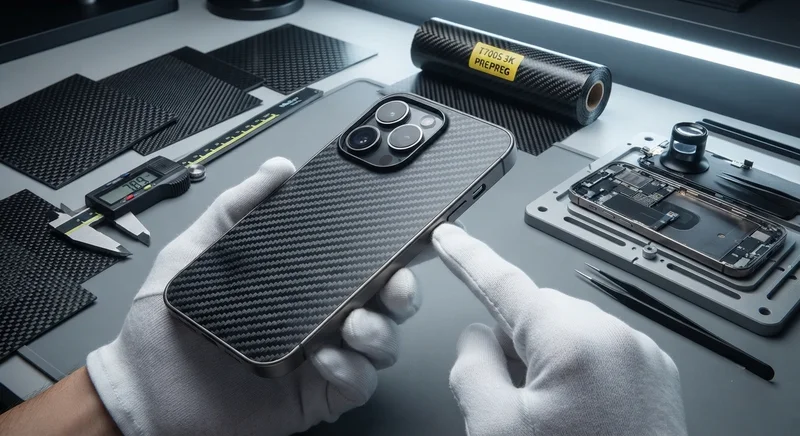
Carbon Fiber Phone Case — Ultra-Thin 3K Twill T700
Precision-molded carbon fiber phone case made from T700 3K twill prepreg. Ultra-thin 0.8mm profile adds minimal bulk while providing excellent drop protection. The natural carbon fiber weave finish gives a premium aesthetic. Available for iPhone and Samsung Galaxy flagship models. OEM/ODM branding available for bulk orders.