Buying carbon fiber sheets for sale can feel like comparing noise: dozens of suppliers, thousands of thickness and weave combinations, and prices that swing wildly for nominally identical products. A 3 mm carbon fiber sheet in a 2x2 twill weave from one supplier can cost twice as much as the same si
Introduction
Buying carbon fiber sheets for sale can feel like comparing noise: dozens of suppliers, thousands of thickness and weave combinations, and prices that swing wildly for nominally identical products. A 3 mm carbon fiber sheet in a 2x2 twill weave from one supplier can cost twice as much as the same size from another — and the difference is usually real, hiding in the weave count, the fibre grade, the resin system, or the tolerance held on thickness. A clear buyer checklist is what separates a sheet that meets your drawing from one that fails it at the machine shop.
This article provides that checklist for carbon fiber sheet purchasing: how to specify thickness and weave correctly, when a decorative sheet is acceptable and when you need a structural one, how finish and tolerance drive price, and which questions to ask carbon fiber sheets suppliers before you order. Whether you are making drone enclosures, automotive trim, jig plates, or aerospace tooling, the same checklist applies.
Carbon Fiber Sheet Thickness and Weave: The Two Numbers That Define a Sheet
Every carbon fiber sheet specification begins with two numbers: thickness and weave. Thickness is measured in millimetres and comes in a standard ladder — 0.5 mm, 1 mm, 1.5 mm, 2 mm, 3 mm, 5 mm, 6 mm, 10 mm and thicker — with the panel built up from individual prepreg or fabric plies. Weave describes the fabric pattern of the outer plies and is mostly a cosmetic and handling decision unless you are using the sheet structurally.
| Sheet Specification | Typical Use | Weight (per m²) | Relative Price |
|---|---|---|---|
| 1 mm, plain weave, decorative | Trim panels, phone cases, cosmetic covers | 1.5-1.7 kg | Lowest |
| 2 mm, 2x2 twill, structural | Drone frames, brackets, stiffening plates | 3.0-3.4 kg | Medium |
| 3 mm, 2x2 twill, structural | Tooling boards, jig plates, load-bearing panels | 4.5-5.1 kg | Medium-high |
| 6 mm, unidirectional lay-up | Beam flanges, high-stiffness laminates | 9.0-10.2 kg | High |
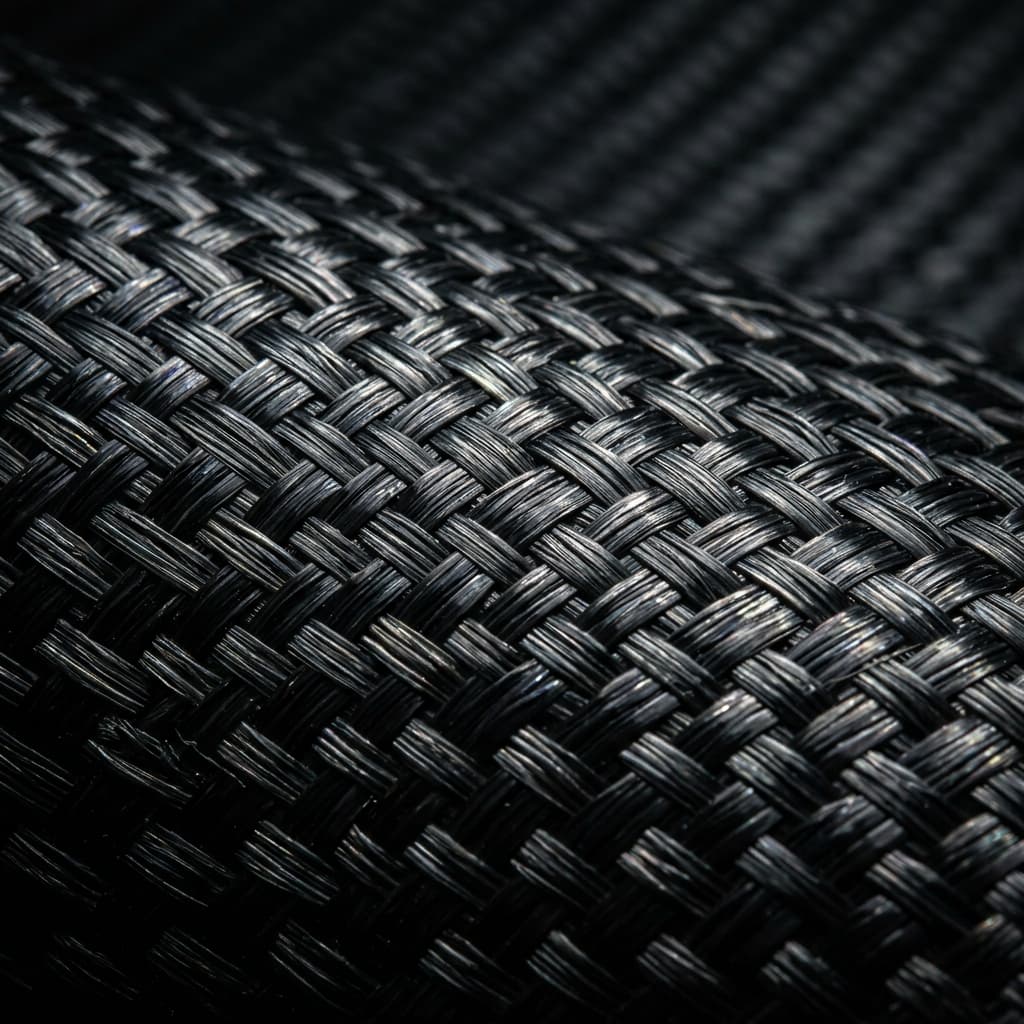
Weave patterns matter more than many buyers assume. A plain weave is tight and stable, ideal for thin decorative sheets. A 2x2 twill drapes better over curves and is the most popular choice for structural panels because it balances handling and strength. A unidirectional lay-up puts all fibres in one direction for maximum stiffness along that axis, which is why 6 mm and thicker structural sheets are often specified with a unidirectional core and a twill surface ply. For a sheet that will be machined or bonded, the surface weave also affects how cleanly it cuts and how well adhesive grips it.
Decorative versus Structural: Know What You Are Buying
The single most important question when comparing carbon fiber sheets for sale is whether you need a decorative or a structural panel. The two are made differently, perform differently, and are priced differently — and conflating them is the most common buying mistake.
- Decorative sheets use a thin real-carbon surface layer over a lightweight core (often glass fibre, foam, or plywood). They deliver the carbon look at a fraction of the cost and are perfect for trim, enclosures, and display pieces. They have limited stiffness and must never be used as load-bearing structure.
- Structural sheets are solid laminates of carbon fibre and epoxy throughout the thickness, cured under heat and pressure. They carry real loads, machine cleanly, and hold tolerance — but they cost significantly more per sheet.
- Hybrid sheets combine a structural carbon core with a decorative weave surface, a middle ground for panels that must both carry load and look finished.
The price gap is large: a decorative 3 mm panel can cost less than half of a structural 3 mm carbon fiber sheet from the same supplier. That is not a bargain — it is a different product with a different specification. If your application carries load, ask for the fibre volume fraction and mechanical data. If it is purely cosmetic, a decorative sheet saves money without any compromise.
Carbon Fiber Sheet Finish, Tolerance, and Supplier Evaluation
Once thickness, weave, and construction are fixed, three further details decide whether the sheet works in your process: surface finish, thickness tolerance, and supplier reliability. Finish choices are typically gloss, matte, or a peel-ply surface ready for bonding. Gloss suits visible parts, matte reduces glare, and a textured surface is the right starting point when you will bond the sheet to another component.
- Thickness tolerance: a good structural supplier holds ±0.1 mm on sheets up to 3 mm and ±0.2 mm above; decorative panels are looser. If your sheet is machined into a pocket or slot, tight tolerance prevents rework.
- Flatness: ask for the flatness spec — a warped 3 mm sheet will not sit in a CNC vacuum table or bond flat to a frame.
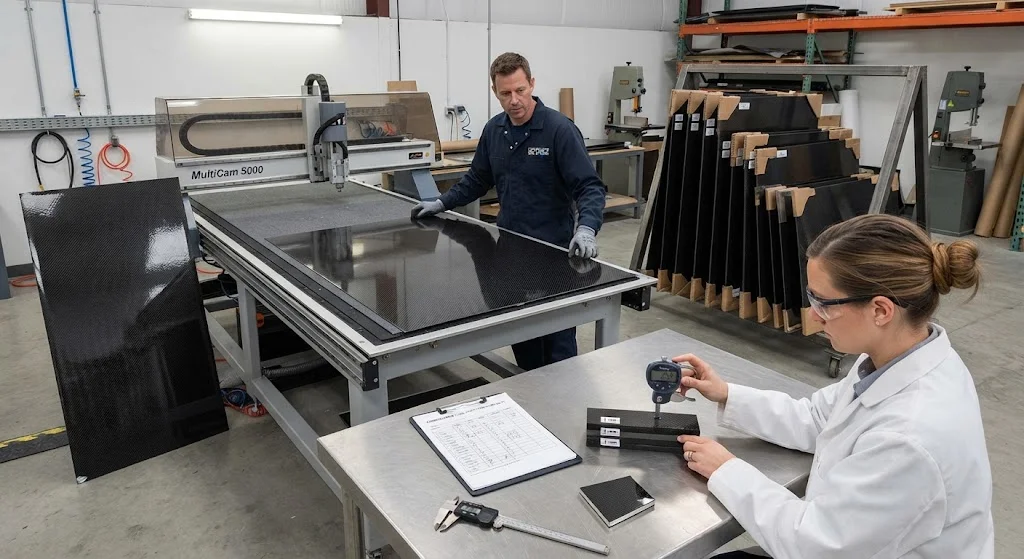
- Cut-to-size: confirm whether the supplier cuts to your dimensions, and how edges are finished. Water-jet and CNC-cut edges are clean; knife-cut edges can fray.
- Material data: structural sheets should ship with a datasheet stating fibre grade, resin system, and fibre volume fraction, typically 55-65% for a pressed laminate.
- Sample policy: for a first order, order a single sample sheet and machine a test piece before committing to volume.
When evaluating carbon fiber sheets suppliers, ask where the sheet is made and what fibre grade is used. Suppliers who cannot name the fibre grade or resin system in writing are usually reselling generic panels, which explains both inconsistent batches and attractive prices. A manufacturer-backed supplier provides batch traceability and mechanical data — the same confidence you need before putting the sheet in a structural part.
Frequently Asked Questions
What thickness of carbon fiber sheet should I buy?
For cosmetic trim and enclosures, 1-1.5 mm decorative sheets are typical. For light structural parts like drone frames and brackets, 2 mm structural sheets are a good default. For tooling boards, jig plates, and load-bearing panels, choose 3-6 mm depending on the load. If your part is machined into pockets or needs high stiffness, a 6 mm or thicker sheet with a unidirectional core is the right choice. When in doubt, overestimate the thickness for structural applications — a sheet that flexes under load has failed its purpose.
What is the difference between 2x2 twill and plain weave carbon fiber sheet?
The two weaves are both woven fabrics, but they differ in handling and appearance. Plain weave is the tightest, most stable pattern — each tow passes alternately over and under — which makes it ideal for thin sheets and parts that must hold their shape during handling. 2x2 twill has a more relaxed, diagonal pattern that drapes better over curves and is the most common choice for structural panels and visible parts because of its balanced handling and the familiar checkerboard look. Both use the same fibre; the weave only affects drape, stability, and aesthetics, not the fundamental strength of the cured sheet.
Are cheap carbon fiber sheets real carbon fiber?
Usually yes — the visible surface is real carbon fibre — but the panel behind that surface may not be. Low-priced sheets are often decorative constructions with a glass, foam, or wood core under a thin carbon layer, which is perfectly fine for cosmetic use but unsuitable for load-bearing parts. Others are made with lower-grade fibre or a higher resin content that reduces stiffness. The way to verify: ask for the fibre grade, fibre volume fraction, and thickness tolerance in writing, and check the weight per square metre against the table for the construction you specified.
Conclusion
Buying carbon fiber sheets for sale comes down to a disciplined checklist: fix the thickness and weave, decide deliberately whether you need a decorative or a structural sheet, confirm finish, tolerance, and flatness, and evaluate the supplier on material data and batch traceability rather than price alone. The right sheet is not the cheapest or the glossiest — it is the one whose specification matches your drawing, with a datasheet to prove it.
We supply carbon fiber sheets from 0.5 mm to 25 mm in plain weave, 2x2 twill, and unidirectional lay-ups, with structural T700 laminates, tight thickness tolerance, and cut-to-size service. Browse our carbon fiber sheet products or send your drawing to our engineering team for a quotation.
Part of topic
Related Articles
- Carbon Fiber Plate Running Shoes: Manufacturing Process and Material Specifications
- Carbon Fiber Tubes for Sale: Spec Sheet Fields That Actually Matter
- Carbon Fiber Sheets Near Me: Local Dealers and Quick Turnaround Procurement
- Carbon Fiber Tubes Near Me: Local Stock Availability and Same-Day Delivery Options
- Carbon Fiber Plate Orthotic: Lightweight Prosthetic and Medical Device Applications
- Carbon Fiber Sheets 6mm: Specifications, Load Ratings and Application Guide
Interested in Our Products?
Contact our team for competitive pricing and technical specifications.
Get a QuoteRelated Products
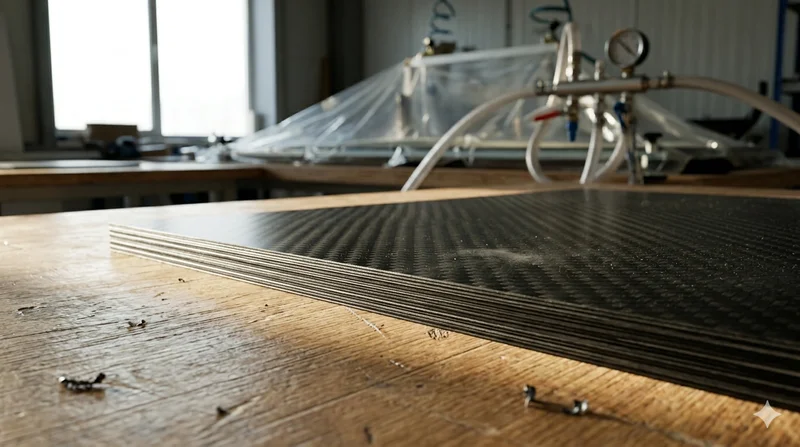
Carbon Fiber Plate — 3K Twill T700 3.0mm
Medium-thickness 3.0mm carbon fiber plate offering significantly higher load capacity while maintaining attractive 3K twill finish. Suitable for structural brackets, reinforcement plates, and load-bearing panels.
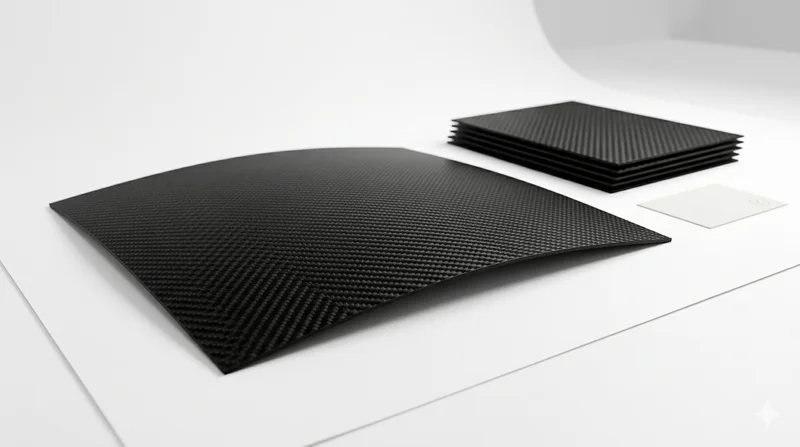
Carbon Fiber Plate — 3K Twill T700 1.5mm
Thin 1.5mm carbon fiber plate with 3K twill weave surface. Lightweight and stiff, commonly used for covers, panels, drone bodies, and applications requiring a premium aesthetic appearance.
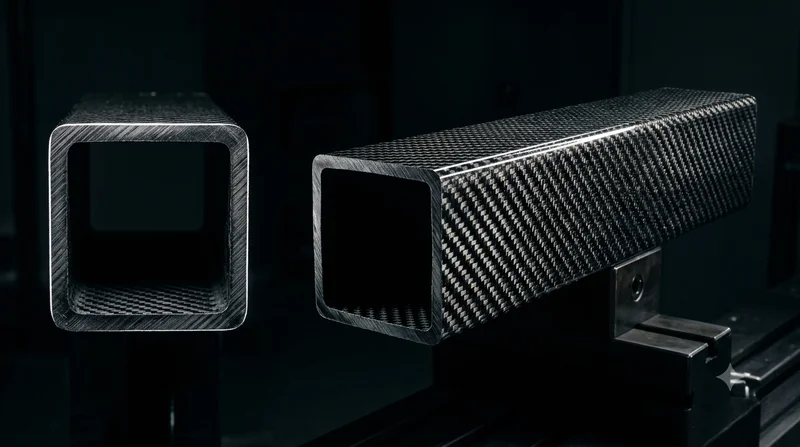
Square Carbon Fiber Tube — 3K Twill T700
Square cross-section carbon fiber tube manufactured with 3K twill weave for torsional strength. Preferred for structural frames, trusses, and support columns where rectangular geometry offers design flexibility.
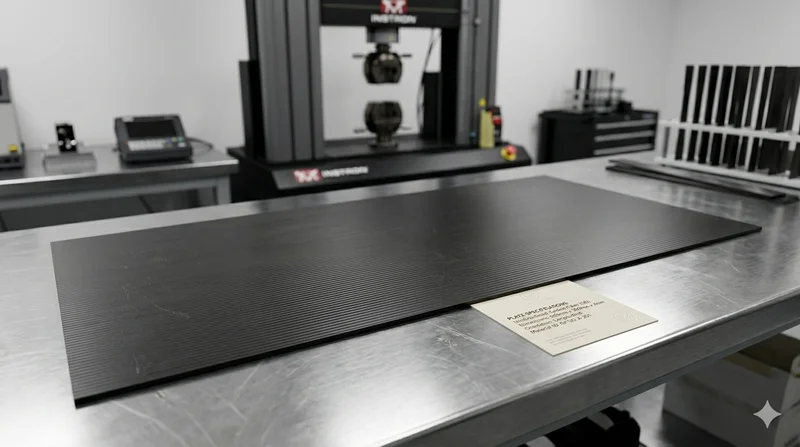
Carbon Fiber Plate — UD Unidirectional T700
Unidirectional carbon fiber plate with all fibers oriented in a single direction for maximum strength along the fiber axis. Essential for structural reinforcements, splints, and applications where load direction is predictable.
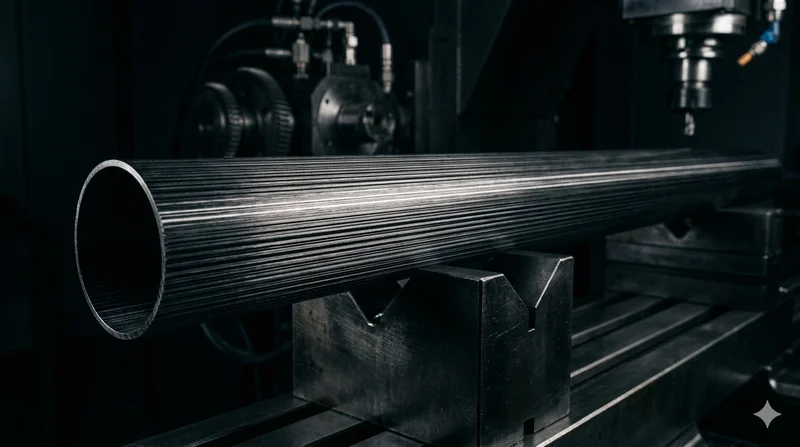
Round Carbon Fiber Tube — UD Unidirectional T700
Unidirectional (UD) round tube with all fibers aligned axially for maximum longitudinal stiffness. Ideal for applications requiring high bending rigidity with minimal weight, such as shafts, struts, and structural reinforcements.