Choosing a carbon fiber sheet recycling service is becoming a practical decision for manufacturers, fabricators, and buyers who generate offcuts, trimmed edges, or end-of-life laminates. Carbon fiber sheet scrap is too valuable to landfill and too complex to treat like ordinary plastic waste. The ri
Introduction
Choosing a carbon fiber sheet recycling service is becoming a practical decision for manufacturers, fabricators, and buyers who generate offcuts, trimmed edges, or end-of-life laminates. Carbon fiber sheet scrap is too valuable to landfill and too complex to treat like ordinary plastic waste. The right recycling partner can recover usable fiber, reduce disposal cost, and support sustainability reporting. This article explains the main recycling processes, what yield and property retention to expect, and how the economics work when carbon fiber sheet material moves from waste stream back into production.
Whether your scrap comes from CNC trimming, damaged panels, or obsolete prototypes, a carbon fiber sheet recycling service should be evaluated on process fit, output quality, traceability, and total cost. Understanding the options helps you ask better questions and select a route that matches your carbon fiber sheet uses and quality requirements.
Carbon Fiber Sheet Recycling Service Process Options
Not every recycler handles carbon fiber sheet scrap the same way. The process determines fiber length, surface cleanliness, mechanical property retention, and the form of the recovered output. The table below compares the most common routes offered by a carbon fiber sheet recycling service.
| Process | Typical Input | Recovered Output | Fiber Yield | Best For |
|---|---|---|---|---|
| Mechanical Size Reduction | Clean dry sheet scrap | Milled fiber, chopped fiber | 90-98% by mass | Fillers, non-structural compounds |
| Pyrolysis | Cured laminates, mixed scrap | Short/chopped recycled fiber | 85-95% fiber recovery | Compounded parts, molded products |
| Solvolysis | Clean CFRP sheet waste | Cleaner fiber, possible resin recovery | 90-95% fiber recovery | Higher-value reuse, rCF textiles |
| Repurposing/Cut-Down | Large offcuts, flat panels | Smaller sheets, coupons | Near 100% usable area | Fixtures, covers, training parts |
For most fabricators, the decision starts with scrap quality. Clean, sorted carbon fiber sheet scrap can go to higher-value routes, while mixed or contaminated waste is usually directed to pyrolysis or mechanical processing.
What Determines Yield and Recovered Fiber Quality
A carbon fiber sheet recycling service should be transparent about yield, but yield alone is not enough. The useful value depends on fiber length, surface residue, and retained mechanical properties.
- Resin system: Epoxy, vinyl ester, and thermoplastic matrices behave differently during pyrolysis or solvolysis. Process temperature and chemistry must match the matrix.
- Scrap cleanliness: Paint, foam core, metal inserts, and adhesive residues reduce output quality and increase preprocessing cost.
- Fiber format: Woven sheet scrap often produces different recovered lengths than unidirectional sheet scrap after size reduction.
- Thermal exposure: Excessive pyrolysis temperature can remove resin effectively but may reduce tensile strength retention.
- Sorting discipline: Separating carbon fiber sheet material by grade, thickness, and contamination level improves batch consistency.
Ask the recycler for typical property retention data. Many recycled carbon fibers retain a meaningful portion of tensile strength, but the exact value depends on process control and feedstock quality. For structural carbon fiber sheet uses, recovered fiber is often used in chopped, molded, or hybrid forms rather than as a direct replacement for virgin continuous fiber.
Economics of a Carbon Fiber Sheet Recycling Service
The economics are driven by avoided disposal cost, recovered material value, logistics, and processing fees. A carbon fiber sheet recycling service may charge by weight, by pickup, or through a buy-back arrangement when the scrap is clean and well sorted.
| Cost/Value Element | Typical Range | What Influences It |
|---|---|---|
| Collection & Logistics | $0.20-$0.80/kg | Distance, volume, packaging |
| Processing Fee | $1.00-$3.00/kg | Process type, contamination, sorting |
| Avoided Landfill/Disposal | $0.10-$0.50/kg | Local disposal rules and fees |
| Recovered Fiber Value | $2.00-$10.00/kg | Fiber length, cleanliness, market demand |
For high-volume fabricators, the best return usually comes from separating carbon fiber sheet scrap at the source. Clean offcuts sorted by resin and format command better pricing and open more recycling options. Small shops may benefit from a consolidated pickup program or a regional recycler that accepts mixed lots.
How to Choose the Right Recycling Partner
Before signing with a carbon fiber sheet recycling service, check operational details, not just marketing claims. A qualified partner should answer technical and commercial questions clearly.
- Input acceptance: Confirm which forms of carbon fiber sheet scrap are accepted—dry offcuts, cured laminates, sandwich panels, or painted parts.
- Output specification: Ask for the delivered form: milled fiber, chopped fiber, nonwoven mat, or reclaimed panel stock.
- Traceability: Request batch records, mass balance reporting, and documentation for sustainability audits.
- Compliance: Verify environmental permits, transport handling, and waste processing compliance in your region.
- Downstream use: Understand where the recovered carbon fiber sheet material goes, so you can judge whether the route is true recycling or downcycling.
Frequently Asked Questions
Can all carbon fiber sheet scrap be recycled through the same carbon fiber sheet recycling service?
No. Clean dry offcuts, cured laminates, and contaminated panels often require different routes. Mechanical processing suits clean scrap for fillers, while pyrolysis or solvolysis is used for cured CFRP. Always confirm the recycler's accepted input list before shipping.
Is recycled carbon fiber sheet material suitable for structural parts?
It depends on the recovered form. Milled or chopped recycled fiber is commonly used in molded compounds and non-structural components. Continuous structural replacement usually requires careful testing, and many programs use recycled fiber in hybrid or secondary applications first.
How much can a company save by using a carbon fiber sheet recycling service?
Savings vary by volume, scrap cleanliness, and local disposal costs. The main financial gains come from lower disposal fees, recovered material value, and improved material efficiency. For consistent scrap streams, a service agreement with sorted collection often delivers the best net result.
Conclusion
A carbon fiber sheet recycling service creates the most value when scrap is sorted at the source, the process matches the waste type, and the recovered output has a clear downstream use. Evaluate recyclers on yield, quality data, compliance, and total economics—not just pickup price. If you are looking to reduce waste from carbon fiber sheet production or machining, review our carbon fiber materials or contact YongXian to discuss scrap handling and material options for your application.
Part of topic
Related Articles
- Carbon Fiber Scrap Buyers: Channels, Pricing and Notes | YongXian
- Carbon Fiber Plate Waste Recycling: Process, Yield and Economics
- Carbon Fiber Rod Testing Service: Methods, Standards and Cost | YongXian
- Carbon Fiber Plate Inspection Service: Methods, Standards and Cost
- Carbon Fiber Sheet Quality Inspection: Methods, Standards and Cost
- Carbon Fiber Sheet Thickness Guide: Standard Sizes and Selection | YongXian
Interested in Our Products?
Contact our team for competitive pricing and technical specifications.
Get a QuoteRelated Products
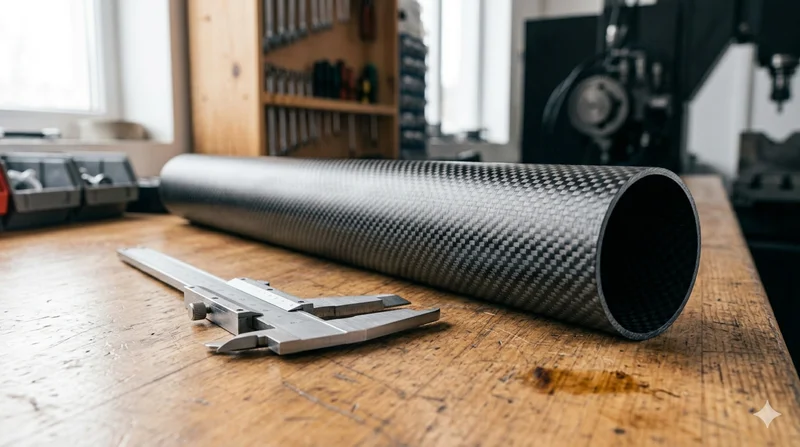
Round Carbon Fiber Tube — 3K Plain Weave T700
Standard round carbon fiber tube manufactured from Toray T700 grade fiber with 3K plain weave. Offers balanced strength and stiffness for general industrial applications including robotics, automation, sports equipment, and aerospace structures.
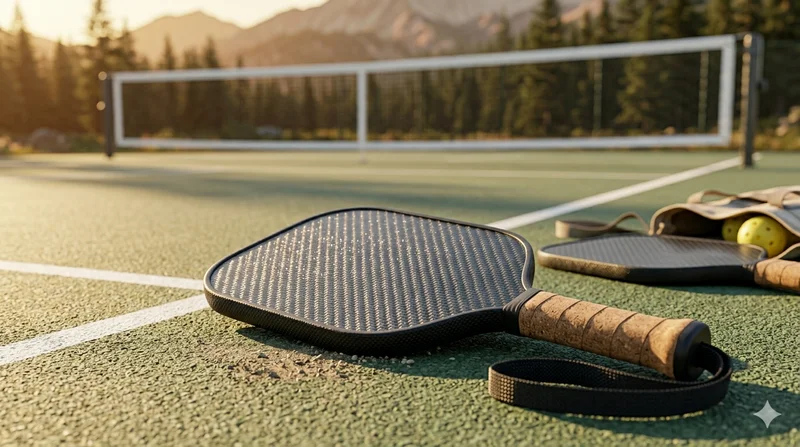
Carbon Fiber Pickleball Paddle
High-performance pickleball paddle with Toray T700 carbon fiber face and polypropylene honeycomb core. Delivers excellent power-to-weight ratio, spin generation, and vibration dampening for competitive play.
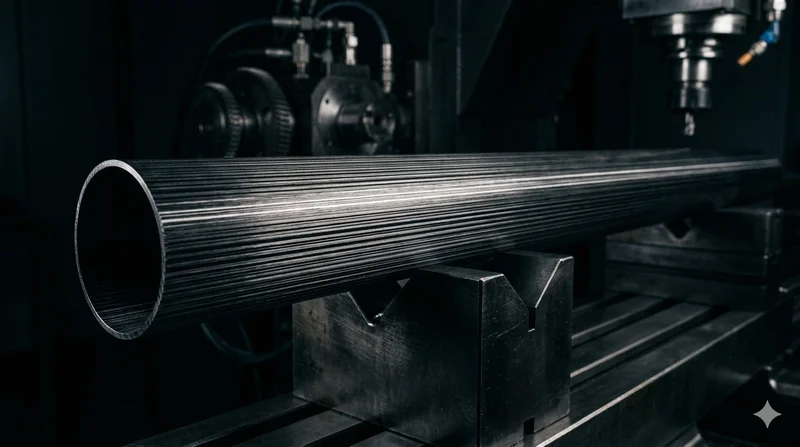
Round Carbon Fiber Tube — UD Unidirectional T700
Unidirectional (UD) round tube with all fibers aligned axially for maximum longitudinal stiffness. Ideal for applications requiring high bending rigidity with minimal weight, such as shafts, struts, and structural reinforcements.
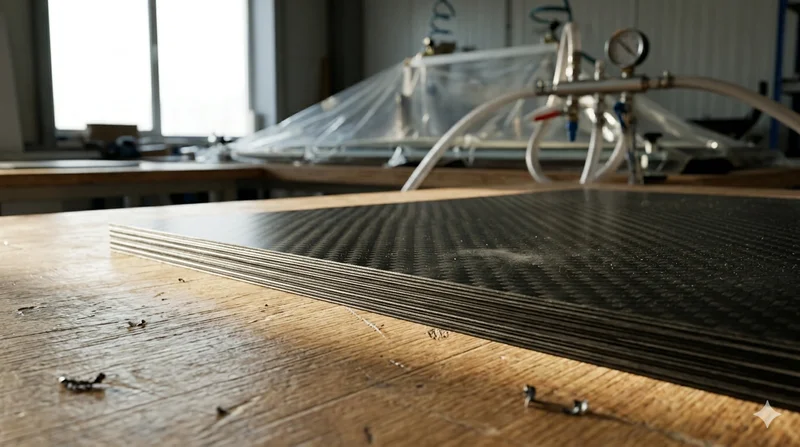
Carbon Fiber Plate — 3K Twill T700 3.0mm
Medium-thickness 3.0mm carbon fiber plate offering significantly higher load capacity while maintaining attractive 3K twill finish. Suitable for structural brackets, reinforcement plates, and load-bearing panels.
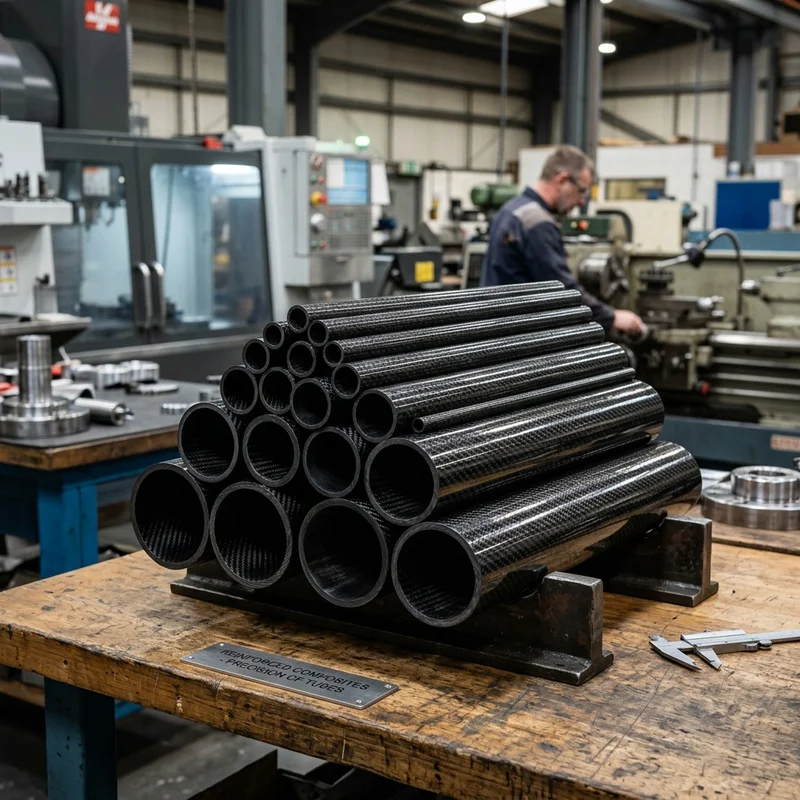
Round Carbon Fiber Tube — 3K Twill
Lightweight and ultra-stiff round tubes ideal for drone frames, robotics, and structural applications.