Carbon fiber plate waste recycling is a growing priority for composite manufacturers, CNC shops, and OEM buyers who machine thick laminates into precision parts. Plate production and post-machining generate offcuts, edge trim, drill dust, and rejected plates that still contain high-value fiber. Inst
Introduction
Carbon fiber plate waste recycling is a growing priority for composite manufacturers, CNC shops, and OEM buyers who machine thick laminates into precision parts. Plate production and post-machining generate offcuts, edge trim, drill dust, and rejected plates that still contain high-value fiber. Instead of treating this stream as disposal cost, a structured recycling route can recover usable material and improve overall manufacturing economics. This guide explains the main recycling processes for carbon fiber plate waste, the yield and property retention you can expect, and the cost factors that determine whether a program pays off.
Because carbon fiber plate manufacturing often uses high fiber volume fractions and thick layups, plate waste behaves differently from thin sheet scrap. Understanding that difference is key to choosing the right recycling partner and setting realistic expectations for recovered material.
Where Carbon Fiber Plate Waste Comes From
Before selecting a recycling route, map the waste streams in your operation. Carbon fiber plate waste is not one uniform material; its form and contamination level determine what recycling process is viable.
| Waste Source | Typical Form | Contamination Risk | Preferred Route |
|---|---|---|---|
| CNC Trimming/Profiling | Offcuts, edge strips | Low; coolant residue possible | Solvolysis or pyrolysis |
| Drilling and Routing | Dust, chips | Medium; mixed with tool wear | Mechanical recovery/filler |
| Rejected Plates | Full or partial plates | Low if clean cure | Repurposing, then recycling |
| End-of-Life Parts | Machined components | High; inserts, coatings | Pyrolysis after disassembly |
| Test Coupons | Small cut pieces | Low | Batch with offcuts |
Separating these streams at the source is the single most effective step. Clean, single-resin offcuts command better recovered value than mixed waste bins.
Carbon Fiber Plate Waste Recycling Process Routes
Three main technical routes are used for carbon fiber plate waste recycling. The right choice depends on plate thickness, resin system, cleanliness, and the target output.
- Mechanical recycling: Plates are crushed, milled, and classified into powder or short fibers. Yield by mass is high, but fiber length is short. Output fits molded compounds, fillers, and non-structural parts.
- Pyrolysis: Heat in a controlled low-oxygen environment decomposes the resin and releases the fiber. It handles mixed or lightly contaminated plate waste well, producing chopped recycled fiber suitable for compounding.
- Solvolysis: Chemical solvents break down the resin matrix at lower temperatures, often preserving better fiber surface quality and mechanical properties. It is best for clean, high-value carbon fiber plate waste where recovered fiber quality matters.
For thick plates, preprocessing matters. Cutting large rejected plates into manageable sections before thermal or chemical treatment improves process consistency and reduces energy per kilogram.
Yield, Property Retention and Output Quality
Buyers evaluating a carbon fiber plate waste recycling program should look beyond headline recovery percentage. Usable yield and retained performance determine real value.
| Route | Mass Yield | Tensile Strength Retention | Typical Output | Key Limitation |
|---|---|---|---|---|
| Mechanical | 90-98% | Not fiber-equivalent | Milled powder, short fiber | Fiber length loss |
| Pyrolysis | 85-95% fiber recovery | 70-90% typical | Chopped rCF | Surface char/residue control |
| Solvolysis | 90-95% fiber recovery | 85-95% typical | Cleaner rCF, resin fractions | Solvent handling, cost |
Actual results depend on the original carbon fiber plate manufacturing process: fiber grade, resin chemistry, cure quality, and plate thickness. Request batch-level test data from the recycler, including tensile strength, fiber length distribution, and surface cleanliness.
Economics for Plate Manufacturers
The business case for carbon fiber plate waste recycling combines avoided disposal, recovered material value, and internal reuse opportunities. For shops machining many plates, waste volume is predictable enough to model.
- Avoided disposal: Landfill or hazardous-waste handling fees are eliminated or reduced, especially for resin-rich dust and mixed scrap.
- Recovered value: Clean offcuts and rejected plates can yield recycled fiber worth significantly more than mixed dust streams.
- Logistics cost: Dense plate offcuts are efficient to transport, but dust requires sealed packaging and handling controls.
- Internal reuse: Some manufacturers reuse milled recycled fiber in non-structural molded parts, fixtures, or compensation layers, capturing value in-house.
A simple payback model should compare monthly waste kilograms, disposal cost per kilogram, recycler gate fee, and expected rebate or recovered material credit. Programs usually become attractive when scrap is sorted and volume is consistent.
Frequently Asked Questions
Can thick carbon fiber plate waste be recycled the same way as thin sheet scrap?
The core processes are similar, but thick plates often need extra preprocessing such as sawing or crushing before pyrolysis or solvolysis. Plate waste also tends to have higher fiber volume and fewer backing materials, which can improve recovered fiber consistency when sorted properly.
What is the most economical route for carbon fiber plate waste recycling?
For clean, large offcuts, repurposing or solvolysis can deliver the highest value. For mixed or contaminated waste, pyrolysis is often the most practical balance of cost and yield. Dust and small chips usually go to mechanical recovery for filler applications.
Does recycled fiber from carbon fiber plate waste meet structural requirements?
Usually not as a direct replacement for virgin continuous fiber in the same layup. Recovered fiber is commonly used in chopped, molded, or hybrid applications. If structural reuse is required, qualify the recycled material with mechanical testing against your specific carbon fiber plate design requirements.
Conclusion
Carbon fiber plate waste recycling works best when waste streams are separated at the source, preprocessing matches plate thickness, and the chosen route aligns with your output quality needs. Manufacturers that track yield, contamination, and economics can turn plate offcuts from a disposal burden into a controlled material stream. To discuss carbon fiber plate manufacturing options or material handling for your project, browse our carbon fiber plate products or contact our team for technical support.
Part of topic
Related Articles
- Carbon Fiber Scrap Buyers: Channels, Pricing and Notes | YongXian
- Carbon Fiber Sheet Recycling Service: Process, Yield and Economics
- Carbon Fiber Rod Testing Service: Methods, Standards and Cost | YongXian
- Carbon Fiber Plate Inspection Service: Methods, Standards and Cost
- Carbon Fiber Sheet Quality Inspection: Methods, Standards and Cost
- Carbon Fiber Sheet Thickness Guide: Standard Sizes and Selection | YongXian
Interested in Our Products?
Contact our team for competitive pricing and technical specifications.
Get a QuoteRelated Products
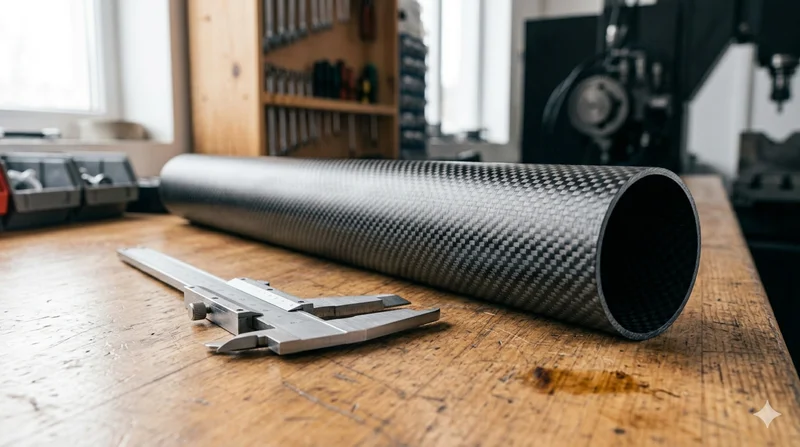
Round Carbon Fiber Tube — 3K Plain Weave T700
Standard round carbon fiber tube manufactured from Toray T700 grade fiber with 3K plain weave. Offers balanced strength and stiffness for general industrial applications including robotics, automation, sports equipment, and aerospace structures.
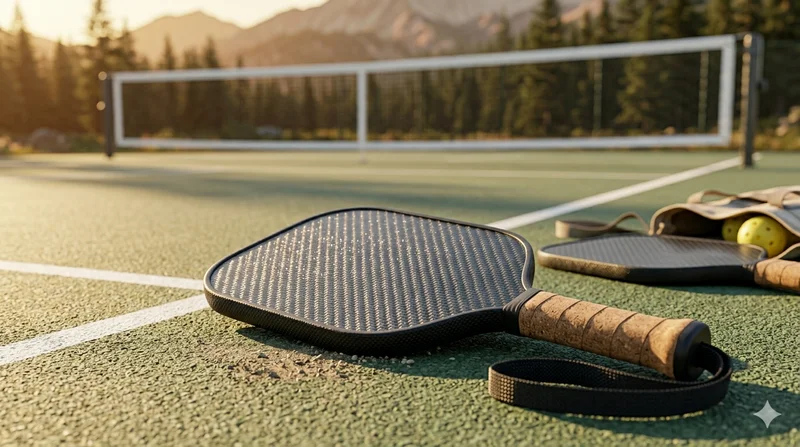
Carbon Fiber Pickleball Paddle
High-performance pickleball paddle with Toray T700 carbon fiber face and polypropylene honeycomb core. Delivers excellent power-to-weight ratio, spin generation, and vibration dampening for competitive play.
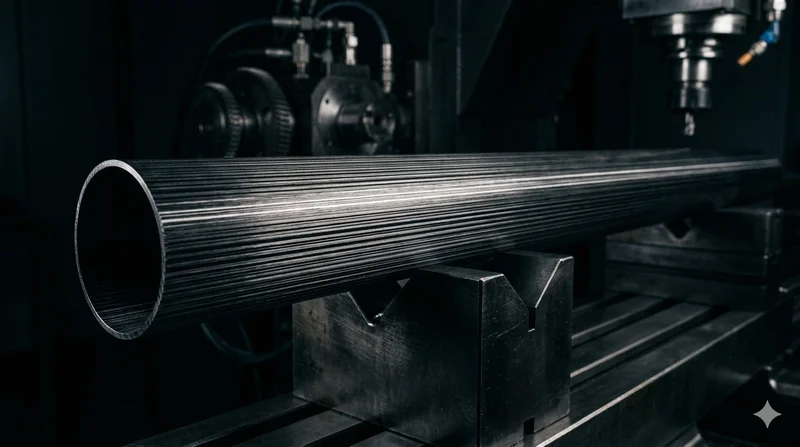
Round Carbon Fiber Tube — UD Unidirectional T700
Unidirectional (UD) round tube with all fibers aligned axially for maximum longitudinal stiffness. Ideal for applications requiring high bending rigidity with minimal weight, such as shafts, struts, and structural reinforcements.
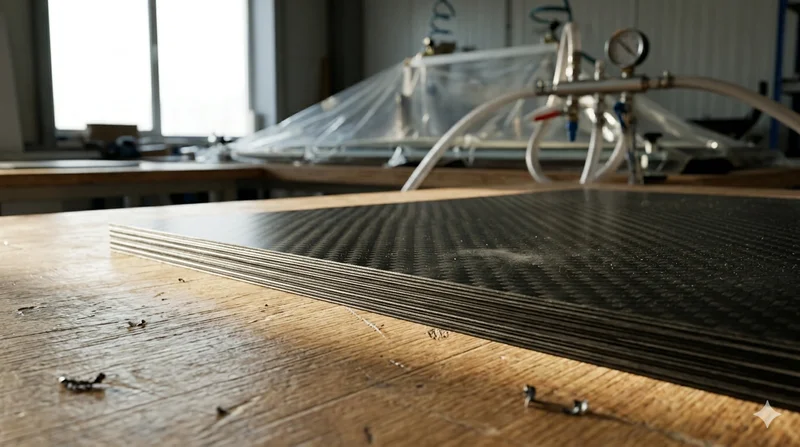
Carbon Fiber Plate — 3K Twill T700 3.0mm
Medium-thickness 3.0mm carbon fiber plate offering significantly higher load capacity while maintaining attractive 3K twill finish. Suitable for structural brackets, reinforcement plates, and load-bearing panels.
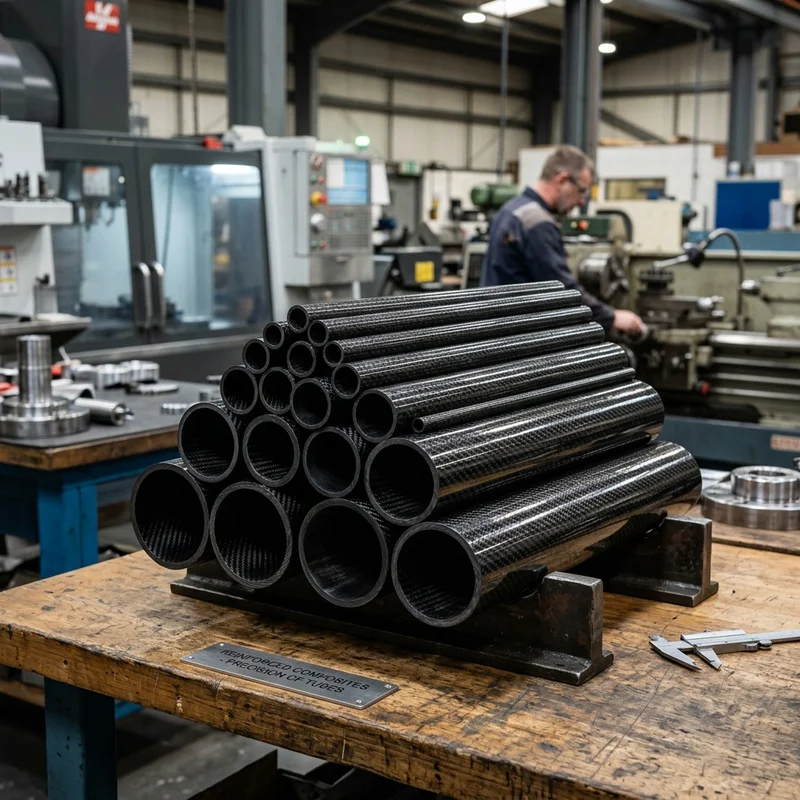
Round Carbon Fiber Tube — 3K Twill
Lightweight and ultra-stiff round tubes ideal for drone frames, robotics, and structural applications.