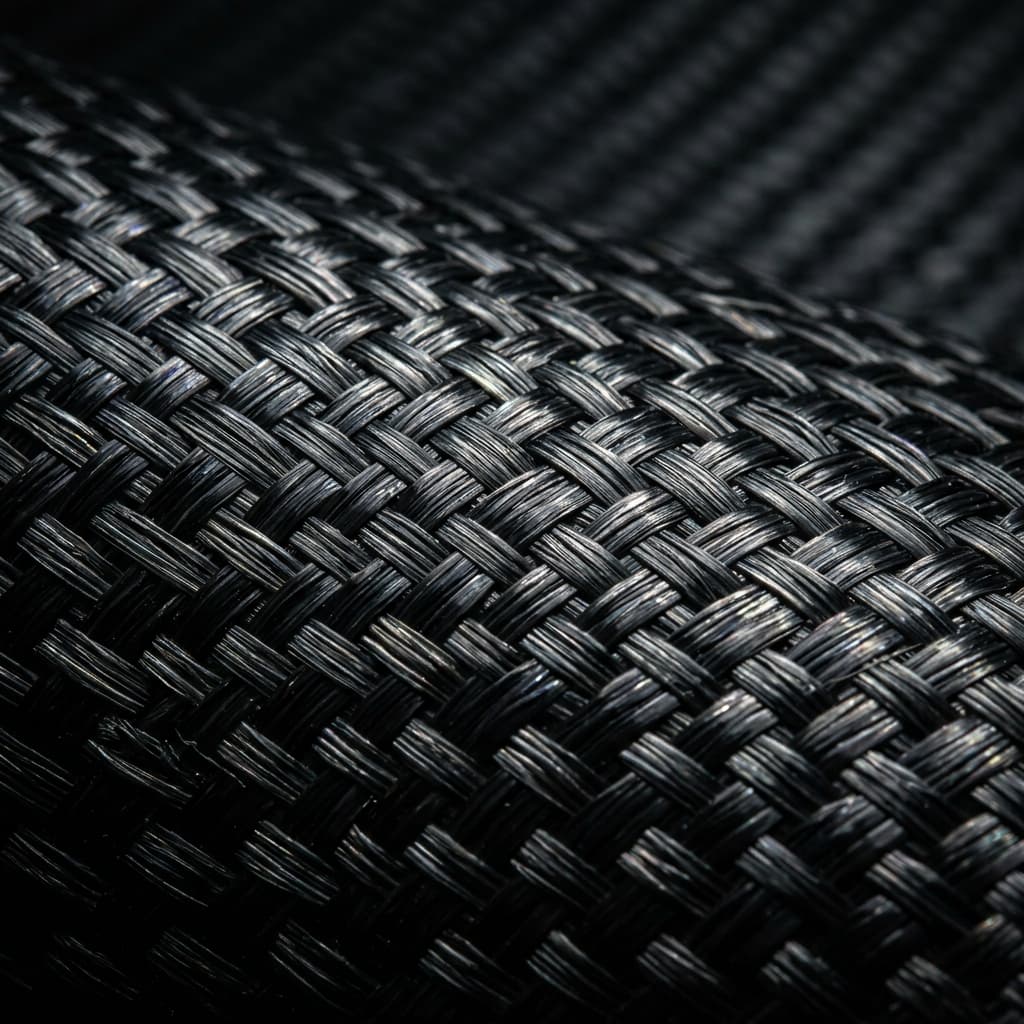
Carbon fiber tube fittings are the unsung engineering decision in every lightweight structural assembly. A tube may be stiff and strong in bending, but the joint where it meets a bracket, a hub, or another tube is almost always the weakest link — and it is the fitting that determines whether a drone
Introduction
Carbon fiber tube fittings are the unsung engineering decision in every lightweight structural assembly. A tube may be stiff and strong in bending, but the joint where it meets a bracket, a hub, or another tube is almost always the weakest link — and it is the fitting that determines whether a drone arm, a robotic link, or an industrial frame survives cyclic loading or fails at a stress concentration. Choosing the right carbon fiber tube connector is therefore just as important as selecting the tube itself.
This article covers the practical range of carbon fiber tube fittings and connectors used in real assemblies: mechanical clamps, bonded sleeves, threaded inserts, and composite couplers. We compare their load capacity, dimensional tolerance, weight, and assembly trade-offs, then give design rules that keep a CFRP tube joint reliable in production. Whether you are joining a 12 mm pultruded tube on a UAV or a 40 mm wound tube in a robotics arm, the decision framework is the same.
Carbon Fiber Tube Fittings: Mechanical versus Bonded Joints
The first decision when selecting carbon fiber tube fittings is whether the joint will be mechanical, bonded, or a hybrid of both. Mechanical fittings rely on clamping force or fasteners and are removable; bonded fittings use structural adhesive and are permanent. The choice drives everything downstream: the surface preparation, the tolerance required on the tube outer diameter, and the disassembly strategy for maintenance.
- Mechanical fittings (clamps, split collars, set-screw hubs) grip the tube from the outside. They tolerate slight diameter variation and allow the tube to be replaced in the field, but they concentrate load at the clamp edge and add weight.
- Bonded fittings (sleeve joints, bonded inserts) spread load over the whole overlap length, giving the highest joint strength per gram. They are permanent and demand controlled surface preparation and cure.
- Hybrid joints combine a bonded sleeve with a mechanical retainer, providing adhesive strength plus a positive lock against pull-out — a common solution for safety-critical aerospace and medical hardware.
The load path in a bonded joint is carried through shear along the overlap. For a typical epoxy adhesive with a lap shear strength of 15-25 MPa, a 20 mm diameter tube with a 30 mm bonded overlap into a sleeve develops a joint capacity of roughly 3-5 kN — usually exceeding the tube's own compressive or torsional limit. This is why bonded sleeve joints are the default for structural CFRP tube assemblies, while mechanical fittings dominate where serviceability matters more than peak strength.
How to Choose a Carbon Fiber Tube Connector Family
Once you know whether the joint must be removable, the next step is selecting a carbon fiber tube connector family. Four families cover the large majority of applications, and each has a characteristic tolerance and cost profile.
| Fitting Type | Typical OD Range | Load Capacity | Removable | Best Application | Relative Cost |
|---|---|---|---|---|---|
| Split clamp / pinch collar | 6-50 mm | Moderate, clamp-edge dependent | Yes | Camera gimbals, adjustable struts, quick-release joints | Lowest |
| Bonded sleeve / ferrule | 8-80 mm | High, shear-limited by overlap | No | Drone booms, robotic links, structural frames | Low |
| Threaded insert (bonded-in) | 10-50 mm | High in tension, moderate in torsion | Partial (bolt-out, insert stays) | End fittings, shock mounts, bolt-on interfaces | Medium |
| Composite coupler / scarf joint | 12-100 mm | Highest, near-tube strength | No | Aerospace struts, mast sections, load-bearing spars | Highest |
A practical rule: for a 25 mm pultruded tube, a bonded sleeve with a 35-40 mm overlap and a machined aluminum or stainless ferrule typically achieves 80-90% of the tube's axial strength, while a split clamp with a single set screw achieves only 30-50% and adds concentrated stress at the screw point. If your assembly must carry high torque or axial load and never needs field disassembly, bond the fitting. If the tube must be swapped on site, use a clamp with a wide, contoured grip area to spread the load.
Design Rules for a Reliable Carbon Fiber Tube Joint
Regardless of fitting family, a carbon fiber tube joint fails in predictable ways — adhesive peel at the overlap end, crush under a clamp, or stress concentration at a fastener hole. The following rules keep a composite tube joint reliable through thousands of cycles:
- Prepare the surface: lightly abrade the bond area with 120-220 grit, solvent-wipe, and avoid mold-release residue. Bond strength drops sharply on untreated glossy surfaces.
- Keep the overlap generous: for bonded joints use an overlap of at least 1.5 times the tube diameter, up to 2-2.5 times for high-load parts.
- Distribute clamping pressure: use a full-ring clamp or a split collar with a contoured bore rather than a single set screw, which crushes thin tube walls (1.5-2 mm) locally.
- Chamfer the sleeve entry: a 0.5-1 mm lead-in chamfer on the ferrule prevents adhesive scraping and edge loading during assembly.
- Control the bond gap: for structural adhesive, a gap of 0.1-0.25 mm gives the strongest shear performance; too tight a fit starves the bondline.
- Design for the weak axis: tubes are strongest along their axis. If the joint must take bending, extend the sleeve or use a composite coupler rather than a short clamp.
It is also worth verifying the tube outer-diameter tolerance before machining fittings. Standard pultruded tubes hold OD within ±0.05-0.1 mm; if your connector bore is machined to a nominal size, order tubes with a stated OD tolerance and check a sample with a micrometer. Tight-tolerance tubes and matched fittings are the difference between a joint that assembles every time and one that shims on the line.
Frequently Asked Questions
Are carbon fiber tube fittings glued or clamped?
Both methods are common, and the choice depends on whether the joint must be removable. Bonded sleeve and ferrule fittings are glued with structural epoxy and deliver the highest strength per gram, which is why they dominate drones, robotics, and structural frames. Clamp and split-collar fittings are mechanical, require no adhesive, and allow field replacement of the tube — at the cost of lower peak load capacity and slightly higher weight. Many production assemblies use a bonded insert with a bolted interface so the tube-to-fitting joint is permanent while the assembly itself remains serviceable.
How strong is a bonded carbon fiber tube joint?
A properly bonded joint is typically as strong as the tube itself in axial load. With a structural epoxy and a bond overlap of 1.5-2.5 times the tube diameter, joint capacity is governed by the adhesive's lap shear strength (typically 15-25 MPa) over the bonded area. For a 20 mm tube with a 30 mm overlap this works out to roughly 3-5 kN, which generally exceeds the tube's own limit before the joint gives way. A clamp joint of the same size typically reaches only 30-50% of tube strength, so bonded fittings are the choice for load-bearing assemblies.
What is the best way to join two carbon fiber tubes end to end?
The strongest end-to-end connection is a composite coupler — an external or internal sleeve of the same material bonded over both tube ends, sometimes combined with a scarf cut for maximum efficiency. A practical middle ground is an internal or external aluminum or stainless coupler bonded into a 40-60 mm overlap on each side. For lower loads, a compression coupler with a split collar on each end allows the tubes to be separated for transport. Avoid simple butt joints with no sleeve: they concentrate stress and fail at a fraction of tube strength.
Conclusion
Carbon fiber tube fittings decide whether a lightweight assembly is durable or disposable. Start by choosing a mechanical or bonded joint philosophy based on serviceability, then match a connector family to your load, diameter, and tolerance requirements — bonded sleeves and ferrules for strength, clamps for field service, threaded inserts for bolt-on interfaces, and composite couplers for maximum-endurance struts. Control surface preparation, overlap length, and bond gap, and verify tube outer-diameter tolerance against your machined fittings before production.
We machine carbon fiber tube fittings and bonded assemblies to order, with documented T700 tube stock, ISO 9001 quality control, and tolerance verification on every batch. Browse our carbon fiber tube products or contact our engineering team for a joint design review and quotation.
Part of topic
Related Articles
- Pultruded Carbon Fibre Rods: Cross-Sectional Properties and Standard Sizes
- Carbon Fiber Plate Insert: Threaded Insert Design for Composite Structures
- Filament Wound Epoxy Tubing: Selection Guide for Industrial and Aerospace Applications
- Filament Wound Epoxy Tubes Advantages: Over Metal and Pultruded Alternatives
- Carbon Fiber Tube Strength: Analysis Methods and Design Allowables
- Filament Wound Epoxy Tubes: Mechanical Properties and Material Data Sheets
Interested in Our Products?
Contact our team for competitive pricing and technical specifications.
Get a QuoteRelated Products
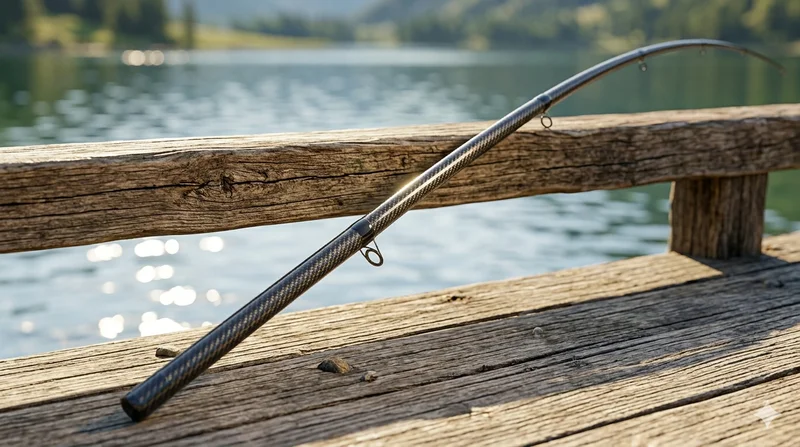
Carbon Fiber Fishing Rod Blank
High-quality carbon fiber fishing rod blank manufactured from multiple grades of Toray carbon fiber cloth. Available in a wide range of lengths, powers, and actions for freshwater and saltwater applications. Suitable for OEM rod building.
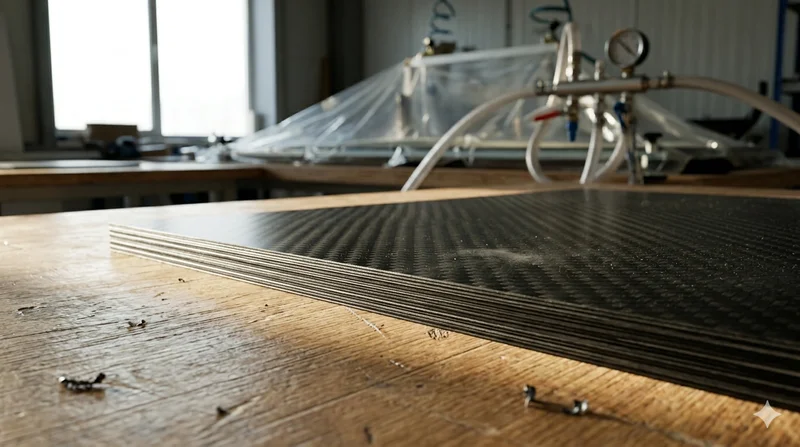
Carbon Fiber Plate — 3K Twill T700 3.0mm
Medium-thickness 3.0mm carbon fiber plate offering significantly higher load capacity while maintaining attractive 3K twill finish. Suitable for structural brackets, reinforcement plates, and load-bearing panels.
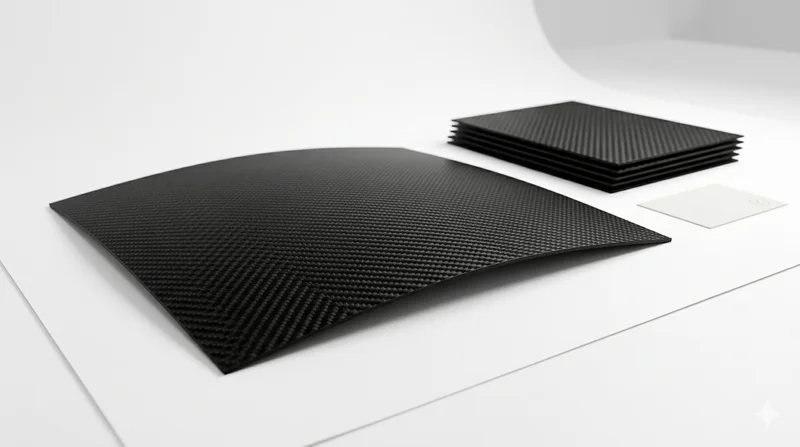
Carbon Fiber Plate — 3K Twill T700 1.5mm
Thin 1.5mm carbon fiber plate with 3K twill weave surface. Lightweight and stiff, commonly used for covers, panels, drone bodies, and applications requiring a premium aesthetic appearance.
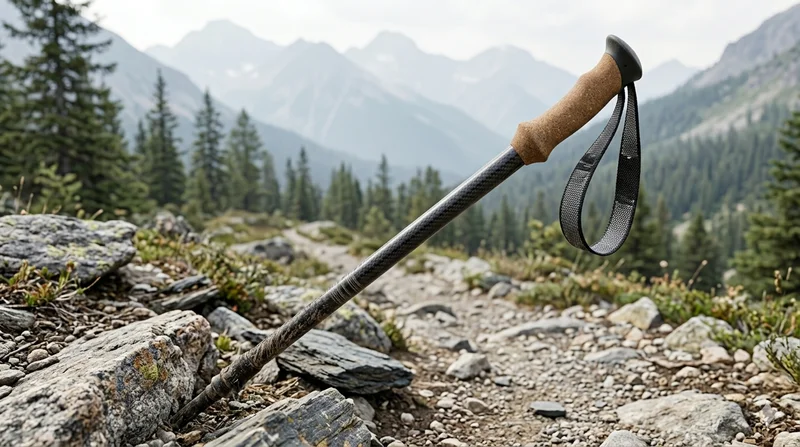
Carbon Fiber Trekking Pole
Lightweight carbon fiber trekking pole manufactured from high-grade carbon fiber tube. Weighs only 160g per pole while providing superior shock absorption and durability for hiking, trail running, and backpacking.
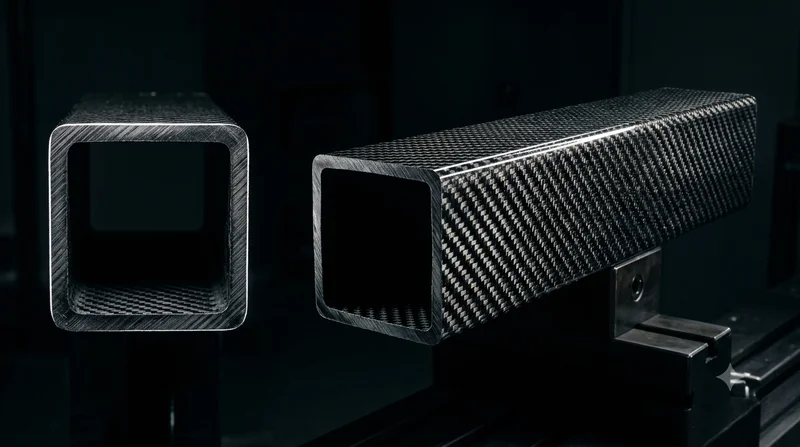
Square Carbon Fiber Tube — 3K Twill T700
Square cross-section carbon fiber tube manufactured with 3K twill weave for torsional strength. Preferred for structural frames, trusses, and support columns where rectangular geometry offers design flexibility.