Custom Carbon Fiber Medical Device Components
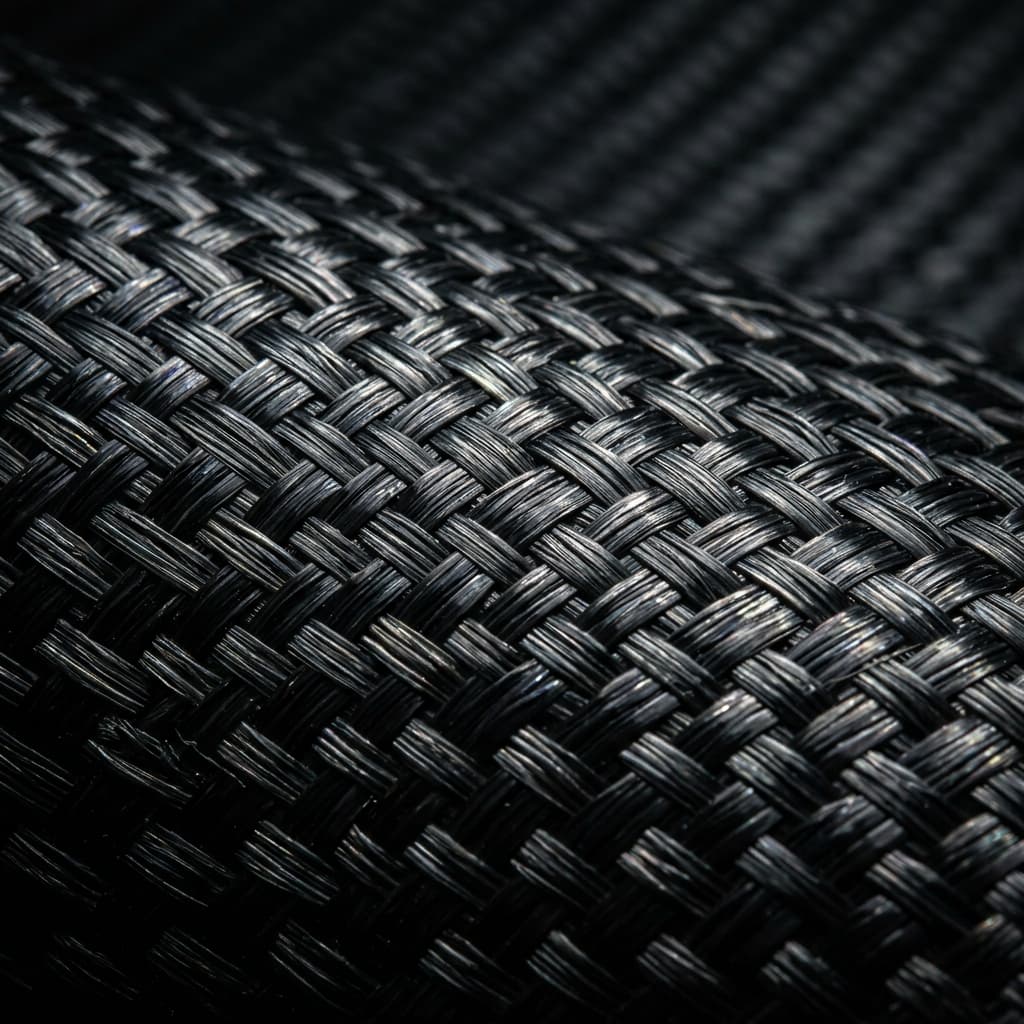
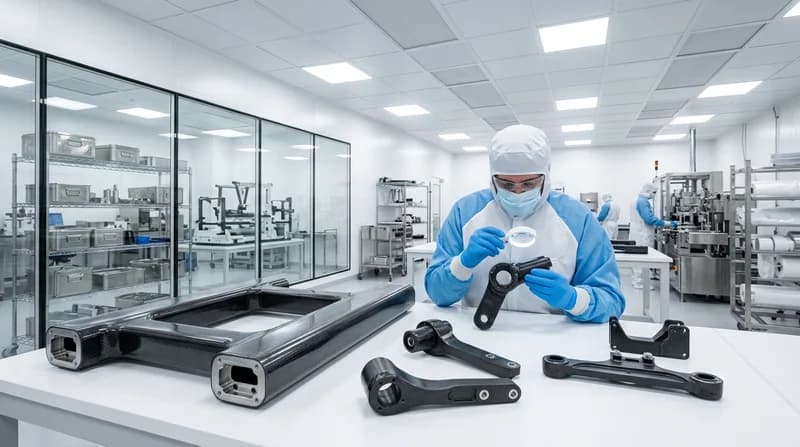
Medical-grade carbon fiber components manufactured for imaging equipment, surgical instruments, and patient support systems. Carbon fiber's radiolucency (X-ray transparency) and high strength-to-weight ratio make it ideal for CT scanner beds, wheelchair frames, surgical robot arms, and MRI-compatible accessories. Biocompatible resin systems available.
Key Features
Applications
Specifications
- Carbon Grade
- T700 / T300
- Resin System
- Medical-grade epoxy / PEEK
- X-Ray Transparency
- > 95% (no artifacts)
- Sterilization
- Autoclave / ETO / Gamma
- Surface Finish
- Smooth medical-grade coating
Usually respond within 24 hours
Frequently Asked Questions
What is the minimum order quantity for carbon fiber products?
What color and finish options are available?
What is the typical lead time?
Related Articles
Filament Wound Epoxy Tubes: Mechanical Properties and Material Data Sheets
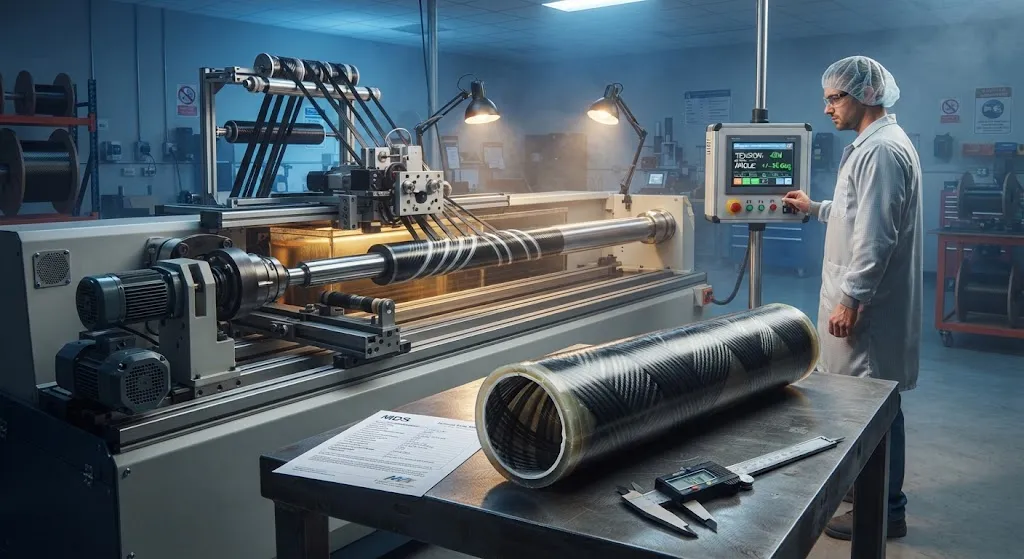
Filament wound epoxy tubes properties determine whether a lightweight tube can carry a drive torque, hold internal pressure, or resist bending on a long span. A filament wound epoxy tube is built by winding continuous glass, carbon, or aramid fibers around a rotating mandrel at a controlled angle wh
Filament Wound Epoxy Tubes Advantages: Over Metal and Pultruded Alternatives
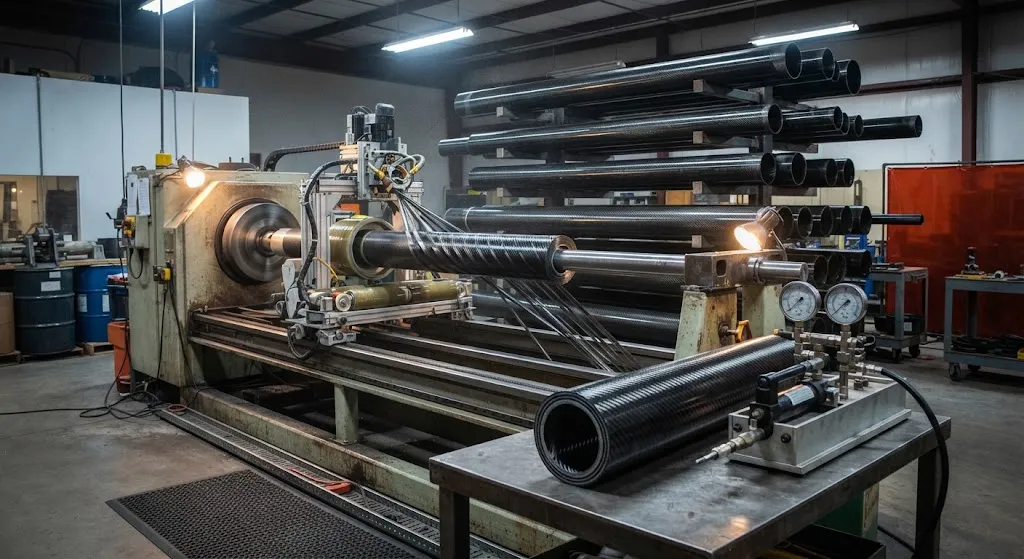
Filament wound epoxy tubes are manufactured by winding continuous carbon or glass fiber, impregnated with epoxy resin, onto a rotating mandrel at controlled angles. The process is one of the oldest and most reliable in composite manufacturing, and its advantages over metal tubes — and over pultruded
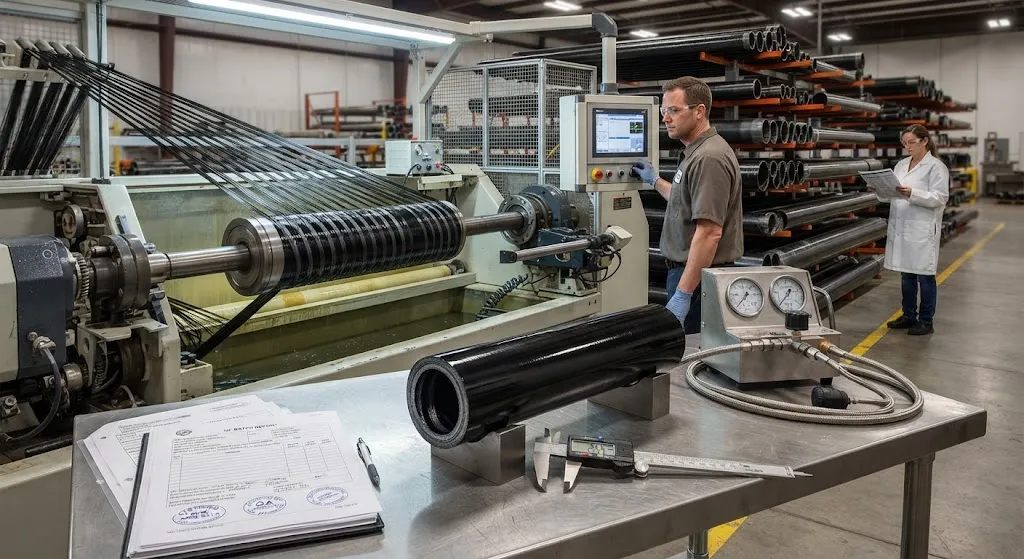
Filament Wound Epoxy Tubes: Industry Standards and Compliance Requirements
Filament wound epoxy tubes standards exist because a composite pipe is only as trustworthy as the specification it was built to. A filament wound epoxy tube carries pressure, resists corrosion, and often supports its own weight across long spans, so the industry has developed a layered set of norms
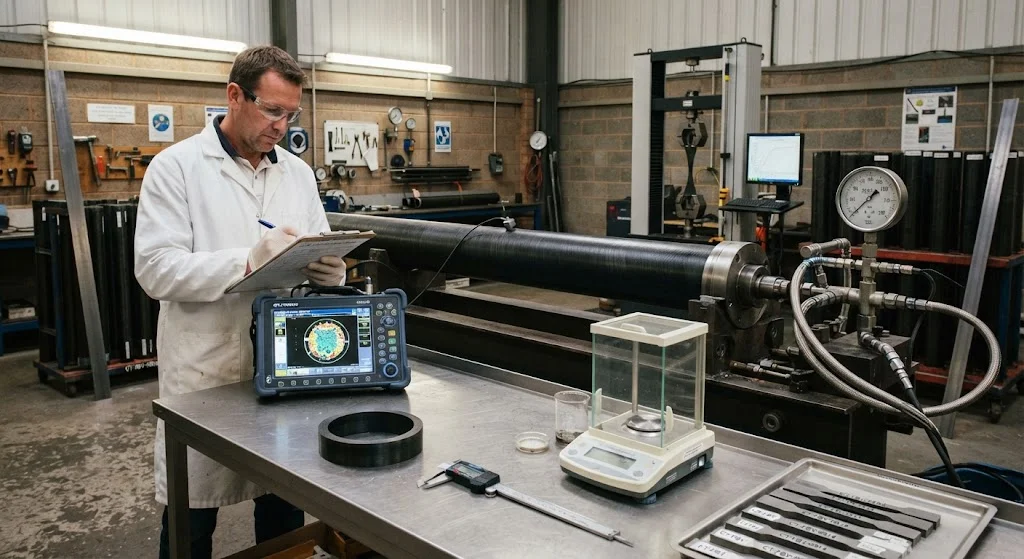
Filament Wound Epoxy Tubes: Testing Standards and Quality Assurance
Filament wound epoxy tubes testing is the discipline that separates a tube that meets its specification from one that merely resembles it. A filament wound epoxy tube carries its strength in the direction of its fibers, so its properties are strongly directional: axial strength, hoop strength, and s
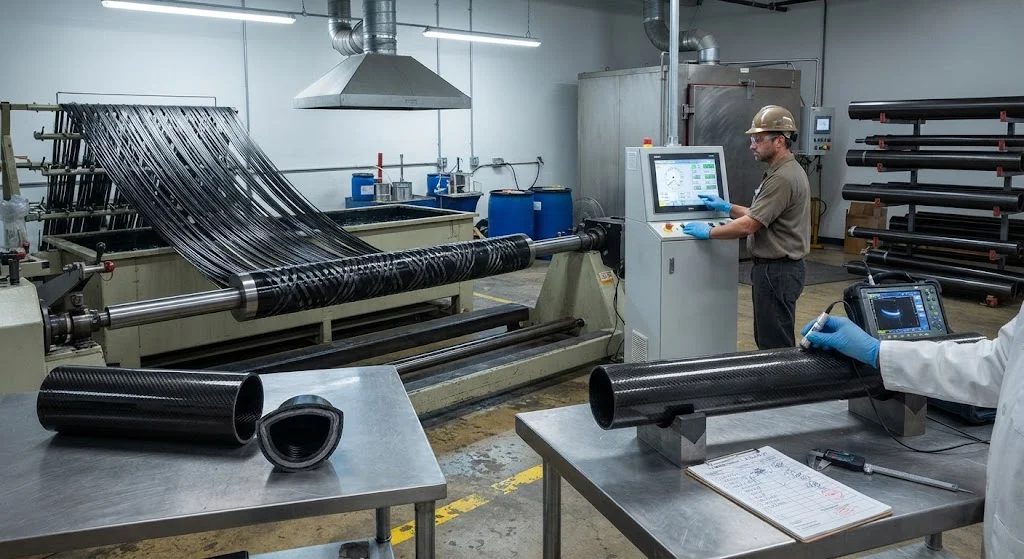
Filament Wound Epoxy Tubes Manufacturing: Process and Quality Control
Filament wound epoxy tubes manufacturing is the process of producing high-performance tubular components by winding continuous carbon, glass, or aramid fiber onto a mandrel with epoxy resin. Epoxy is the resin of choice for engineering-grade tubes because it delivers the highest mechanical propertie
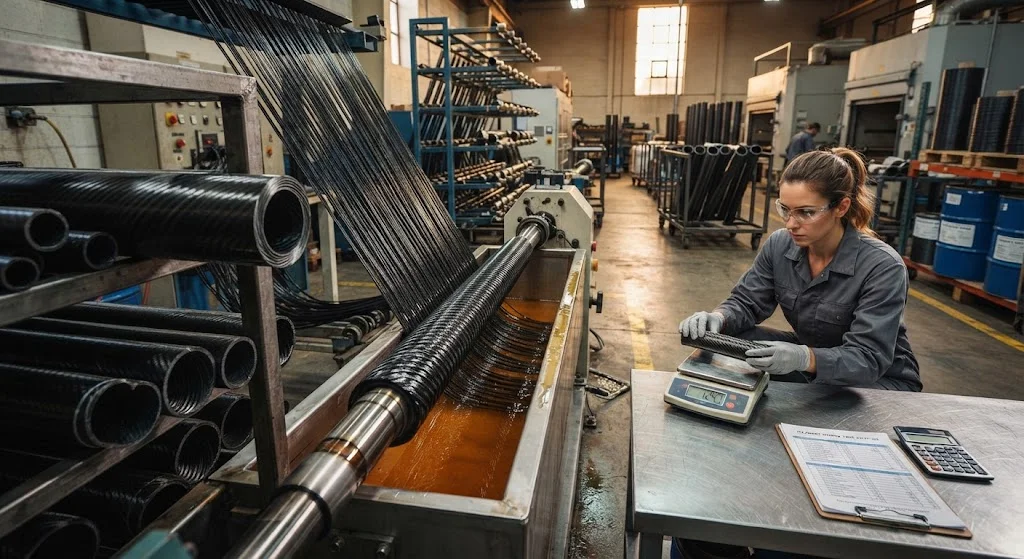
Filament Wound Epoxy Tubes Cost: Materials, Process and Volume Pricing
Understanding filament wound epoxy tubes cost is essential for any engineer or buyer specifying composite tubes for structural, pressure or drive-shaft applications. Unlike standard metal tube pricing, which follows commodity steel or aluminum prices, a filament wound epoxy tube is priced from a sta