Buying a carbon fibre custom plate in the UK is rarely a matter of picking a panel off a shelf: the layup, the thickness tolerance, the face finish and the machining allowance all decide whether the finished part does its job or ends up as an expensive shim. Two plates that look identical on the inv
Introduction
Buying a carbon fibre custom plate in the UK is rarely a matter of picking a panel off a shelf: the layup, the thickness tolerance, the face finish and the machining allowance all decide whether the finished part does its job or ends up as an expensive shim. Two plates that look identical on the invoice behave very differently under load if the fibre orientation was chosen for appearance rather than stiffness, and a panel cut to the wrong tolerance can cost a full layup cycle to replace. This guide explains what actually separates one carbon fibre custom plate from another, how to order carbon fibre sheet custom size without paying for impossible tolerances, how to compare carbon fibre for sale from UK stockists against factory-direct orders, and what finishing work to budget for after the plate arrives.
The advice below assumes standard-modulus epoxy plate for engineering, motorsport, robotics and marine projects. Aerospace-qualified prepreg with full traceability sits in a different price bracket and follows different procurement rules.
What a Carbon Fibre Custom Plate Actually Is
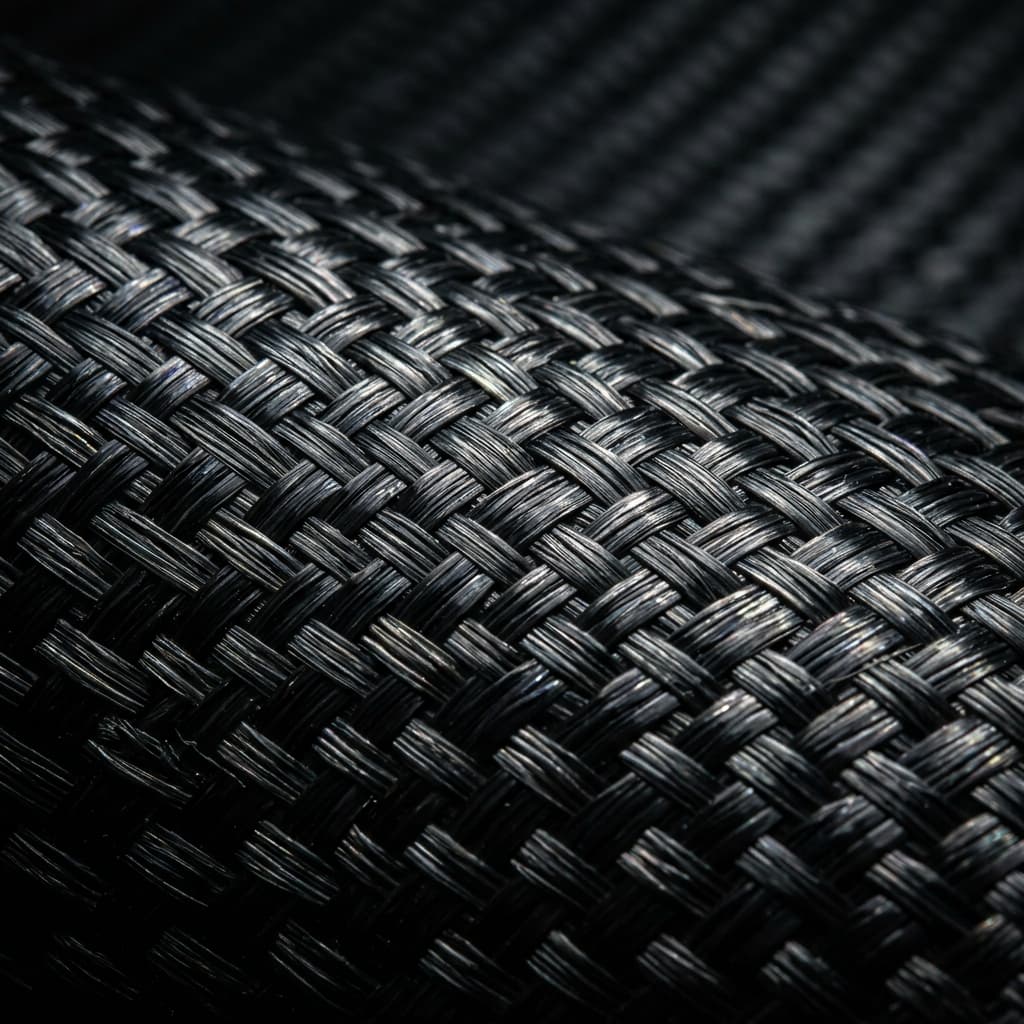
Almost all engineering plate is a flat laminate: layers of carbon fabric or unidirectional tape stacked in a planned sequence, infused with epoxy under vacuum and cured in an oven or autoclave. The word custom can apply to any point in that chain — fabric grade, ply count, orientation, core, or final outline — and each lever changes price and lead time in a different way.
| Plate type | Typical fibre | Where it wins | Trade-off |
|---|---|---|---|
| Solid quasi-isotropic | 3k twill or plain weave | brackets, machine panels, jigs | equal in-plane properties, heavier than cored builds |
| Unidirectional heavy layup | UD tape stacks | stiff beams, spar caps, ribs | weak across the fibre direction unless balanced |
| Cored sandwich | skins over PVC foam or honeycomb | large flat panels, weight-critical decks | edges must be sealed, core damage stays hidden |
| Hybrid glass-carbon | carbon with E-glass skins | cost-sensitive panels, insulating builds | lower stiffness per millimetre than full carbon |
For most buyers the real decision is between a solid quasi-isotropic panel and a cored sandwich. If the plate bolts to a frame and carries point loads, go solid. If it spans between supports as a floor, hatch or cover, cored construction saves meaningful weight at the same bending stiffness.
Carbon Fibre Sheet Custom Size: Tolerances That Make Sense
Ordering carbon fibre sheet custom size is where projects most often overspend. Outline dimensions are cheap to hold: factory cutting follows a CNC path and keeps length and width within a millimetre on panels up to a metre. Thickness is the expensive axis, because each additional ply shifts the cured stack and post-cure grinding removes both fibre and resin.
- Outline tolerance: plus or minus 0.5 mm on CNC-cut panels is a standard commercial promise; plus or minus 0.1 mm is achievable but priced accordingly.
- Thickness tolerance: plus or minus 0.1 mm is realistic on solid plate up to about 6 mm; thin sheets can be held tighter, thick cored panels often land within plus or minus 0.3 mm.
- Flatness: vacuum-infused plate is typically flat within 1 mm per metre without special measures; optical flatness demands a tool-side cure and a much higher price.
- Minimum order: true custom layups usually start at one panel, but per-piece cost drops sharply above five to ten pieces once tooling and setup are amortised.
A common UK pattern is to order a slightly oversized blank, then finish-machine the critical edges in-house. Paying the factory to hold a machinist tolerance on every edge means paying twice for the same dimension.
Grades: Standard Modulus Versus High Modulus
Standard modulus fibre, with tensile modulus around 230 to 240 GPa, covers almost every plate application outside aerospace. High modulus fibre pushes stiffness up by 30 to 60 percent but loses roughly a third of tensile strength and becomes markedly more brittle. That is fine for an optics bench or a racing splitter that sees pure bending, and a poor choice for parts that take impacts or edge point loads. If a supplier offers aerospace grade plate without asking about the load case, the grade label is marketing rather than engineering, and the cheaper standard-modulus panel will usually serve better.
Carbon Fibre for Sale: Stockists Versus Factory Direct
UK buyers have two practical routes. Stockists and distributors hold panels in common sizes — typically 500 by 500 mm and 1000 by 1000 mm at 2, 3, 4 and 5 mm — and ship within days, which makes them the right answer for one-offs, prototypes and repair patches. Factory-direct orders from manufacturers in Europe or Asia make sense once quantity, thickness or layup falls outside the stockist catalogue: price per panel falls materially above twenty pieces, and only the factory can specify ply-by-ply orientation or a custom core.
When comparing quotes, check what the price actually includes: bare plate, peel-ply finish, machined outline, or a fully machined part. Freight and VAT move the total noticeably, and a cheaper panel that arrives unfinished often loses to a slightly dearer one that arrives ready to bolt on. Reputable suppliers publish a laminate datasheet listing fibre type, orientation sequence, resin system and cured properties. If that sheet is missing, treat the quote as incomplete.
Finishing: Edges, Holes and Surface
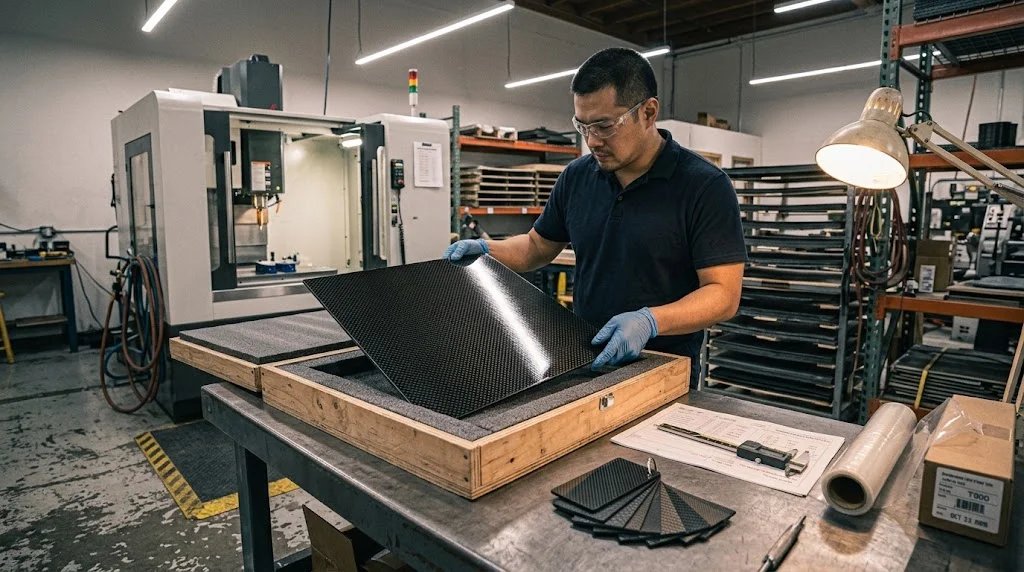
Carbon fibre plate custom finishing is where many first orders disappoint. Drilling needs a sacrificial backing and a sharp composite bit to avoid breakout; routing needs diamond tooling at conservative feeds; edges want a light chamfer because a raw cut edge sheds fibre and scratches anything it touches. Cosmetic faces arrive covered in peel ply or protective film, and that film is the only thing standing between the surface and a bench full of grit, so peel it only when the part is ready to assemble. Budget a finishing allowance of 10 to 20 percent of piece cost if the plate leaves the factory as a blank.
Frequently Asked Questions
What thickness of carbon fibre plate should I order?
For brackets and machine parts, 3 to 6 mm solid plate covers most loads. Larger panels spanning between supports should be modelled rather than guessed, because bending stiffness rises with the cube of thickness: going from 4 to 6 mm nearly triples stiffness for 50 percent more weight.
Can UK stockists cut plate to my drawing?
Most will cut outlines and drill simple hole patterns, often within a few days. Complex pockets, controlled-depth machining or tight edge tolerances are better handled by the manufacturer or a dedicated composites machine shop, because the fix for a botched cut is a new plate rather than a rework.
Is a carbon fibre plate custom order expensive compared to aluminium?
Per piece, carbon plate typically costs two to five times more than machined aluminium of the same outline. The business case is weight: the same part lands at roughly a quarter of the aluminium weight with higher stiffness, which matters when every kilogram has a fuel, handling or dynamics cost.
Conclusion
A carbon fibre custom plate only delivers value when the layup, tolerance and finish were chosen for the actual load case rather than for a catalogue photo. Size the outline loosely and the thickness deliberately, decide early between solid and cored construction, and match the buying route to the quantity: stockists for prototypes, factory direct for series work.
YongXian manufactures custom carbon fibre plate and sheet to order, including carbon fibre sheet custom size panels with controlled layups and machined outlines, and ships worldwide including the UK. Browse our carbon fiber products or send your drawing for a quote.
Part of topic
Related Articles
- Carbon Fiber Manufacturer in India: Capacity, Capabilities and Buyer Notes
- Carbon Fiber Cloth Supplier Guide: How to Evaluate 3K, 12K and Weave Types
- Carbon Fiber Tube Price in BD: Bangladesh Market and Import Guide
- Carbon Fiber Drone Frame Price: Tiers, Thickness, and Cost Drivers
- Carbon Fibre Sheet Custom Size Guide: Ordering Cut-to-Size Plates for UK and EU Buyers
- Carbon Fiber Sheets for Sale Near Me: A Local Sourcing Guide
Interested in Our Products?
Contact our team for competitive pricing and technical specifications.
Get a QuoteRelated Products
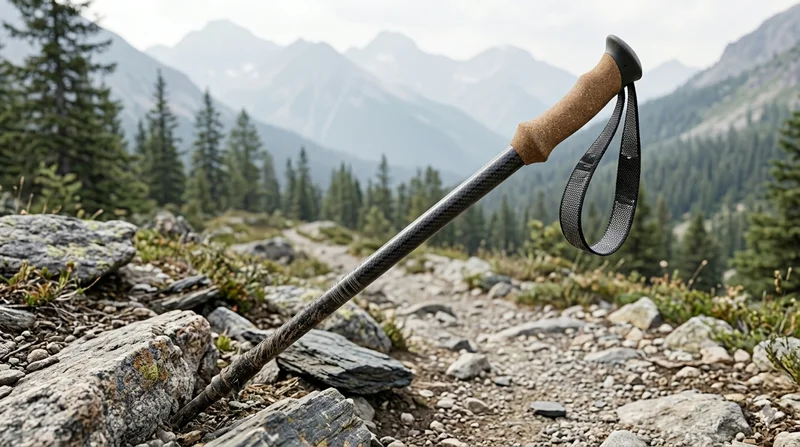
Carbon Fiber Trekking Pole
Lightweight carbon fiber trekking pole manufactured from high-grade carbon fiber tube. Weighs only 160g per pole while providing superior shock absorption and durability for hiking, trail running, and backpacking.

Carbon Fiber Plate — 3K Twill T700 3.0mm
Medium-thickness 3.0mm carbon fiber plate offering significantly higher load capacity while maintaining attractive 3K twill finish. Suitable for structural brackets, reinforcement plates, and load-bearing panels.
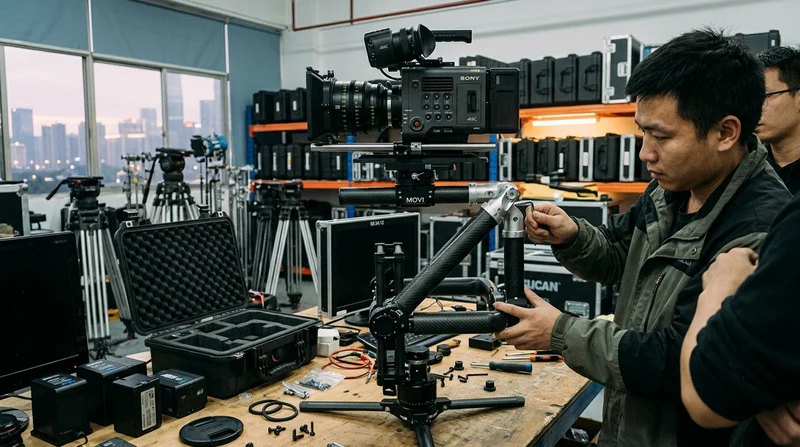
Custom Carbon Fiber Gimbal & Camera Mount
Lightweight carbon fiber gimbal arms and camera mounting components for aerial photography, film production, and broadcast applications. Our precision CNC machining ensures tight tolerances for vibration-sensitive equipment. Available in custom shapes to fit specific gimbal systems.
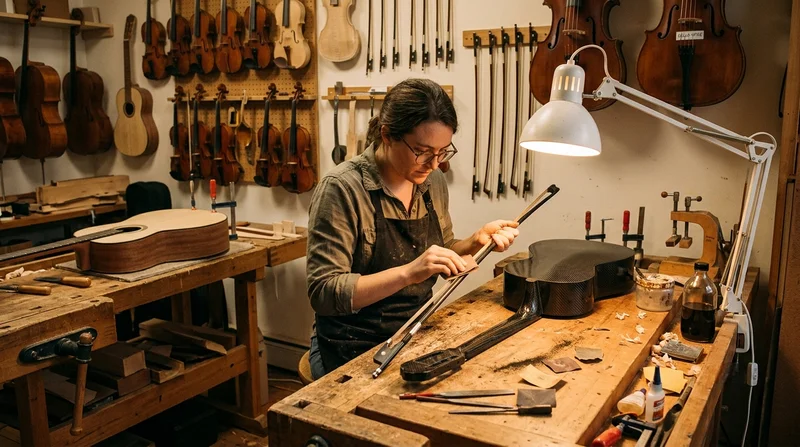
Custom Carbon Fiber Musical Instrument Parts
Carbon fiber components for musical instrument manufacturing offering superior dimensional stability, low weight, and consistent acoustic properties. We produce carbon fiber bows, guitar necks, violin chin rests, drum shells, and wind instrument bodies. Carbon fiber instruments are immune to humidity changes and temperature fluctuations that affect wooden instruments.
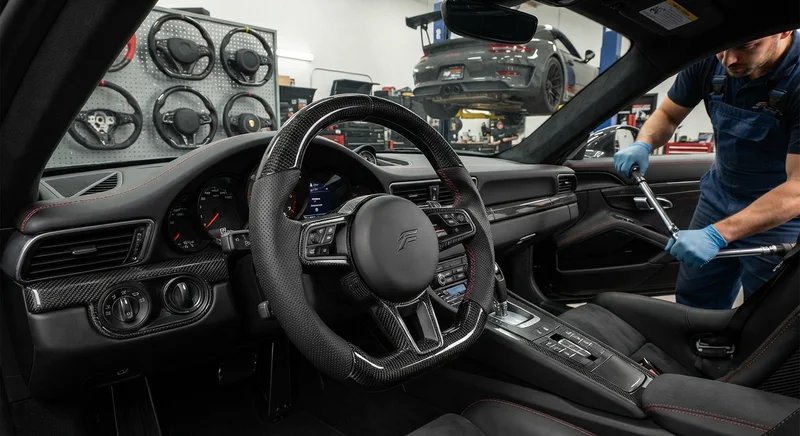
Carbon Fiber Steering Wheel — Custom Leather-Wrapped with CF Inlay
Custom carbon fiber steering wheel with genuine leather wrapping and carbon fiber inlay sections. Molded from T700 3K prepreg for maximum rigidity with a 30% weight reduction over OEM wheels. Available in D-shape (flat bottom) and round profiles. Direct bolt-on fitment for popular sports car and performance vehicle models. Custom stitching color and leather grade available.