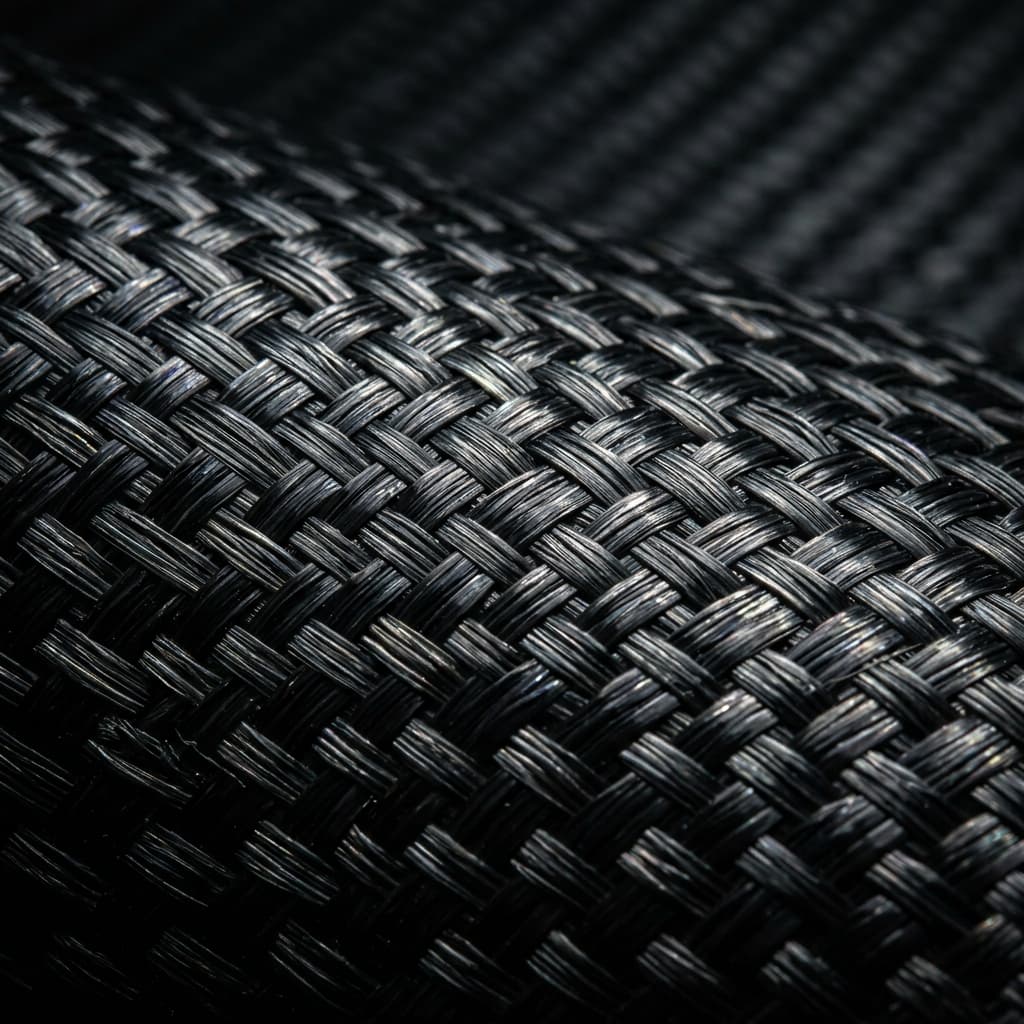
The carbon fiber sheet Amazon marketplace has grown quickly, and it is easy to understand why. Searching for a carbon fiber sheet on Amazon returns hundreds of listings, many with same-day or two-day delivery, customer reviews, and prices that look competitive at first glance. Most of what appears i
Introduction
The carbon fiber sheet Amazon marketplace has grown quickly, and it is easy to understand why. Searching for a carbon fiber sheet on Amazon returns hundreds of listings, many with same-day or two-day delivery, customer reviews, and prices that look competitive at first glance. Most of what appears in those results, however, is thin decorative sheet, cosmetic panels, and small sample plates rather than structural material. For buyers who need real carbon fiber sheet for a load-bearing part, the Amazon listing is often the wrong starting point, and the difference matters in both price per unit area and mechanical performance.
This guide explains what you can realistically buy as a carbon fiber sheet online, how marketplace material compares with factory-direct supply, and the decision rules that help buyers choose between convenience and performance. It covers thickness and grade options, what CFRP plate Amazon listings actually contain, when a direct manufacturer relationship pays for itself, and how to compare quotes across channels without being misled by cosmetic-grade material.
Carbon Fiber Sheet Amazon: What Listings Actually Sell
Most carbon fiber sheet Amazon listings fall into three categories, and only one of them is structural. The first category is decorative sheet: a real carbon fiber weave laminated between resin layers, sold in 1-3 mm thickness for automotive interior trim, phone cases, and cosmetic covers. These sheets have genuine carbon fiber fabric but are not engineered for load; their core purpose is appearance, and they are commonly called carbon fiber look sheet or cosmetic carbon sheet.
The second category is small sample and hobby plate: 100 x 100 mm to 300 x 300 mm pieces in 1.5-3 mm thickness for RC models, knife scales, and prototyping. These are typically pultruded or compression-molded plate sold in small quantities, with performance that varies significantly between sellers because there is no shared grade standard behind the listings.
The third category is genuine structural sheet sold by a handful of established composite brands that also operate factory-direct channels. These listings are identifiable by their specification depth: fiber grade, fiber volume fraction, thickness tolerance, and a datasheet link. The table below summarizes how the categories compare:
| Category | Thickness | Typical Size | Fiber Volume | Best Use |
|---|---|---|---|---|
| Decorative sheet | 1-3 mm | Up to 1 x 1 m | 30-45% | Trim, panels, cosmetic covers |
| Sample / hobby plate | 1.5-3 mm | 100-300 mm square | 50-60% | Prototyping, RC, knife scales |
| Structural sheet | 2-25 mm | Up to 1.2 x 2.4 m | 60-68% | Load-bearing parts, tooling |
The practical rule: if a carbon fiber sheet listing does not state fiber grade and fiber volume fraction, assume it is decorative or hobby grade. That assumption protects you from paying structural prices for cosmetic material.
When Buying Carbon Fiber Sheet Online Makes Sense
Purchasing a composite sheet online is the right choice in a few well-defined situations. First, for one-off hobby and prototype work where a small plate is all you need and the project does not justify supplier qualification. Second, for decorative use where the weave appearance matters more than mechanical properties. Third, for urgent delivery when a production line is waiting and a marketplace seller can ship from a local warehouse faster than a factory can quote and deliver.
For these cases, the marketplace works well. A 300 x 300 mm hobby plate costs roughly $15-40 depending on thickness, and a decorative 500 x 500 mm sheet in the $20-50 range. The pricing is transparent, reviews give a rough quality signal, and delivery is fast. The main discipline is reading the listing carefully: check the stated thickness tolerance, look for the fiber grade, and avoid listings that describe the product only as "carbon fiber look" or "carbon texture."
The cost comparison becomes unfavorable the moment you scale. Marketplace structural sheet is typically priced per piece, and per-piece pricing embeds high margins. A 3 mm structural plate at $30-60 for a 300 mm square works out to several hundred dollars per square meter — roughly two to four times the factory-direct price for the same grade in production quantities.
When Direct from Manufacturer Wins
Direct manufacturer supply wins on price, consistency, and specification control. A factory that pultrudes or compression-molds carbon fiber sheet can quote cut-to-size panels, hold thickness tolerance to ±0.1 mm, control fiber volume fraction at 60-68%, and provide batch test data. For structural applications, that documentation is not a luxury — it is the difference between engineering with known properties and guessing from a marketing photo.
- Cut-to-size service: Manufacturers cut panels to your exact dimensions, saving the waste and edge damage of cutting sheet at a workbench.
- Material certification: Batch reports covering fiber grade, resin system, fiber volume, density, and flexural or tensile strength.
- Bulk pricing: Structural sheet from a factory typically runs $80-160 per square meter for 2-3 mm plate in volume, versus several hundred dollars per square meter for marketplace pieces.
- Custom thickness: Factories produce sheet from 2 mm to 25 mm and beyond, while marketplace listings rarely exceed 5 mm.
- Consistent batches: Direct supply means the next batch matches the last one, which matters when sheet feeds a repeatable production process.
The transition point is roughly 2-5 square meters of structural material per order. Below that, marketplace convenience and shipping speed usually win. Above it, the factory-direct CFRP plate route dominates on both cost and quality assurance, especially when the part is load-bearing or the project repeats.
How to Compare Quotes Across Channels
Comparing a carbon fiber sheet Amazon listing with a factory quote requires normalizing three variables: grade, thickness tolerance, and quantity. Start by asking what fiber grade each quote assumes — T300, T700, and high-modulus grades differ in strength, stiffness, and price. Second, confirm the thickness tolerance: marketplace material often holds ±0.3-0.5 mm while factory material holds ±0.1 mm, and a thinner-than-nominal plate in a stressed part is a real failure risk. Third, convert everything to cost per square meter at comparable thickness before comparing.
Also ask about edge quality and surface finish. Pultruded sheet has a characteristic surface finish, and some structural applications require sanded or sealed faces. A supplier that can describe its process — pultrusion, compression molding, or prepreg autoclave — tells you more than a listing photo. The process determines the fiber volume fraction, the void content, and therefore the mechanical properties you can rely on.
Frequently Asked Questions
Is carbon fiber sheet on Amazon structural grade?
Most carbon fiber sheet Amazon listings are decorative or hobby grade, with fiber volume fractions of 30-60%. Genuine structural sheet exists on the marketplace but is identifiable by stated fiber grade, fiber volume fraction, thickness tolerance, and a datasheet. If a listing omits those specifications, assume cosmetic or hobby quality.
How much does a carbon fiber sheet cost on Amazon vs from a manufacturer?
A 300 x 300 mm hobby plate typically costs $15-40, and decorative 500 x 500 mm sheet runs $20-50. Factory-direct structural sheet is roughly $80-160 per square meter for 2-3 mm plate in volume, which is two to four times cheaper per square meter than buying equivalent pieces online. The crossover point is about 2-5 square meters per order.
What thicknesses are available for structural CFRP plate?
Structural carbon fiber plate is commonly produced from 2 mm to 25 mm thickness. Marketplace listings rarely exceed 5 mm, while factories produce custom thicknesses within their process range. Thickness tolerance is typically ±0.1 mm from a factory versus ±0.3-0.5 mm for many marketplace products.
When should I buy carbon fiber sheet online instead of direct?
Buy online for one-off prototypes, decorative trim, and urgent small orders where a local warehouse ships faster than a factory. Buy direct from the manufacturer when you need 2-5 square meters or more of structural material, cut-to-size panels, batch certification, or consistent thickness control for a repeating production process.
Conclusion
The carbon fiber sheet Amazon marketplace is excellent for hobbyists, prototypes, and decorative work, but it is the wrong channel for structural material in volume. Decorative and hobby listings dominate the search results, and their unspecified fiber grades and loose tolerances make them unsuitable for load-bearing parts. Factory-direct supply wins on cost per square meter, thickness control, cut-to-size service, and the batch documentation that engineering teams actually need.
YongXian manufactures structural carbon fiber sheets and plates from 2 mm to 25 mm thickness with cut-to-size service, tight tolerances, and batch test data for aerospace, tooling, and industrial applications. Explore our carbon fiber product range or contact our team for CFRP plate pricing and specifications.
Part of topic
Related Articles
- Carbon Fiber Rods for Sale: Bulk Pricing and Wholesale Distribution
- Carbon Fiber Rod for Sale: In-Stock Sizes and Custom Cutting Services
- Carbon Fiber Manufacturing Near Me: Finding Local Production Partners
- Carbon Fiber Tube Suppliers: Global Directory and Comparison
- Carbon Fiber Sheet for Sale: In-Stock Inventory and Custom Order Lead Times
- Carbon Fiber Sheet Supplier: Direct Factory Pricing and Custom Cut-to-Size Services
Interested in Our Products?
Contact our team for competitive pricing and technical specifications.
Get a QuoteRelated Products
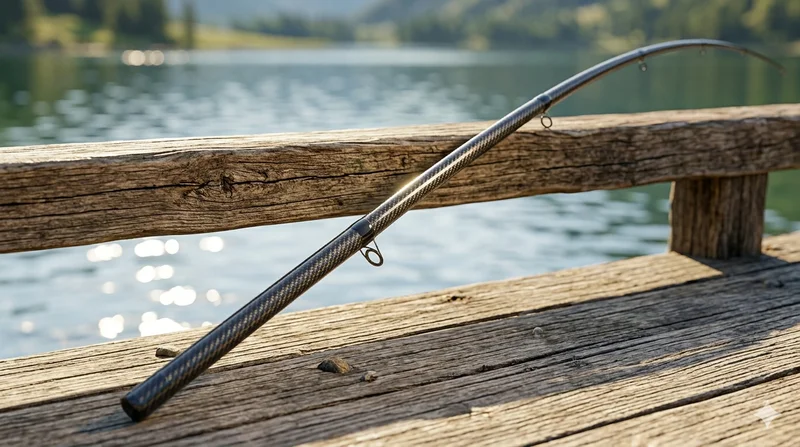
Carbon Fiber Fishing Rod Blank
High-quality carbon fiber fishing rod blank manufactured from multiple grades of Toray carbon fiber cloth. Available in a wide range of lengths, powers, and actions for freshwater and saltwater applications. Suitable for OEM rod building.

Carbon Fiber Plate — 3K Twill T700 3.0mm
Medium-thickness 3.0mm carbon fiber plate offering significantly higher load capacity while maintaining attractive 3K twill finish. Suitable for structural brackets, reinforcement plates, and load-bearing panels.

Carbon Fiber Plate — 3K Twill T700 1.5mm
Thin 1.5mm carbon fiber plate with 3K twill weave surface. Lightweight and stiff, commonly used for covers, panels, drone bodies, and applications requiring a premium aesthetic appearance.
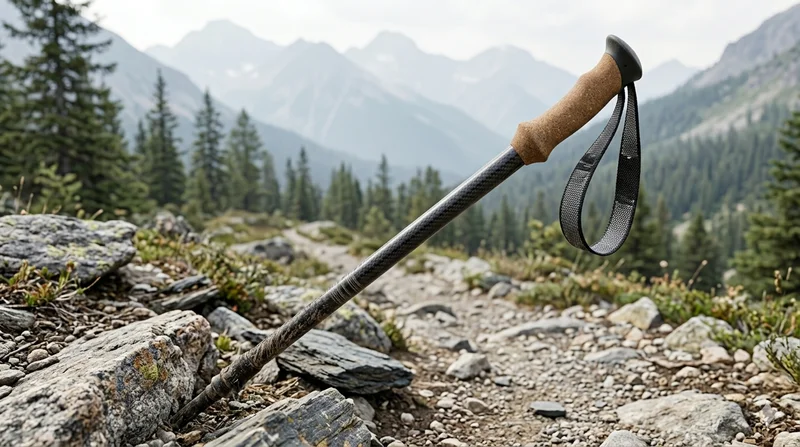
Carbon Fiber Trekking Pole
Lightweight carbon fiber trekking pole manufactured from high-grade carbon fiber tube. Weighs only 160g per pole while providing superior shock absorption and durability for hiking, trail running, and backpacking.

Square Carbon Fiber Tube — 3K Twill T700
Square cross-section carbon fiber tube manufactured with 3K twill weave for torsional strength. Preferred for structural frames, trusses, and support columns where rectangular geometry offers design flexibility.