A carbon fiber rod manufacturer is the company that actually converts carbon fibre, resin and a pultrusion die or winding machine into solid rod — as opposed to a distributor that buys stock and resells it. The distinction matters the moment you need anything beyond a standard diameter in a standard
Introduction
A carbon fiber rod manufacturer is the company that actually converts carbon fibre, resin and a pultrusion die or winding machine into solid rod — as opposed to a distributor that buys stock and resells it. The distinction matters the moment you need anything beyond a standard diameter in a standard length: a manufacturer can change the die, adjust the fibre volume, hold a tighter tolerance and control batch consistency, while a reseller can only sell what it has on the shelf. Choosing the right carbon fiber rod manufacturer is therefore not a purchasing decision; it is a capability decision that shapes your product's cost, quality and lead time.
This guide explains how carbon fiber rod manufacturers make their product, which custom services are worth paying for, and how to qualify a supplier before you commit a production program.
How a Carbon Fiber Rod Manufacturer Makes Rod
Almost all solid carbon fiber rod is made by pultrusion, a continuous process in which carbon fibre tows are pulled through a resin bath, into a heated die, and out as a cured rod of constant cross-section. The process is fast, repeatable and cheap per meter, which is why pultruded rod dominates the market. Filament winding, by contrast, lays fibre at an angle around a mandrel and is used for hollow tube and for rod where hoop properties matter; it is slower and more expensive. A few manufacturers add a rolled or braided construction for specific applications, but the bulk of solid rod sold worldwide is pultruded.
| Process | Typical diameters | Typical tensile strength | Relative cost | Common uses |
|---|---|---|---|---|
| Pultrusion | 1-30 mm solid | 600-900 MPa (T300), 1000-1400 MPa (T700) | Lowest | Push rods, struts, dowels, kite spars |
| Filament winding | 10-200 mm tube | 1500-2500 MPa hoop | Medium-high | Drive shafts, masts, pressure parts |
| Rolled / braided | 2-60 mm | 900-1800 MPa | High | Aerospace and cosmetic applications |
The fibre grade is the second major decision. A manufacturer typically offers a standard grade such as T300 or T700, and the choice affects both strength and price: T700-based rod offers roughly 40-50 percent higher tensile strength than T300 rod at a material cost premium of 30-60 percent. A good manufacturer publishes the fibre grade, fibre volume fraction (typically 60-68 percent) and resin system in the data sheet — if a supplier cannot name them, the material is of unknown origin.
Custom Services That Matter for Your Program
The real value of a carbon fiber rod manufacturer shows in custom work. Four services determine whether a supplier can serve a production program rather than just a prototype:
- Custom diameters: a manufacturer with in-house die making can produce any diameter within its line range, not just standard stock sizes. Die cost is amortized into the order, so non-standard sizes are economical at volume.
- Tight tolerances: a good manufacturer holds diameter tolerance of ±0.05 mm on small rods and ±0.10 mm on larger ones, with straightness of 0.5-1.0 mm per meter. Confirm the tolerance before ordering — it is a specification that shapes the price.
- Surface finish: matte, gloss or sanded finish changes both appearance and cost. Structural buyers usually want a clean matte surface; cosmetic buyers pay extra for a polished gloss.
- Cutting and end finishing: clean square cuts, chamfered ends, or machined ends for press-fit applications. Raw cut ends can expose dry fibre and should be sealed or lightly sanded.
Ask each manufacturer which of these they do in-house. A manufacturer that cuts, machines and finishes in-house controls quality end to end; one that outsources machining adds handling, lead time and failure points.
How to Qualify a Carbon Fiber Rod Manufacturer
Qualifying a manufacturer is a five-step process that protects your program from surprises:
- Check the data sheet discipline: the supplier should document fibre grade, fibre volume fraction, tensile and flexural strength, modulus and straightness. Vague data sheets are a red flag.
- Request samples and test them: measure diameter at several points, run a three-point bend test, and check straightness over the full length. Sample quality predicts production quality.
- Verify quality systems: ISO 9001 certification, incoming material traceability and batch records show that quality is managed, not incidental.
- Confirm minimum order quantity and lead time: a manufacturer's MOQ is typically higher than a distributor's — often 100-500 meters per size — and custom die work adds lead time. Plan accordingly.
- Ask for a pilot lot: before committing a large contract, run a pilot lot of your exact specification and inspect it against your drawing. This is the cheapest insurance you can buy.
The pilot lot step is the one most buyers skip, and it is the one that catches the most problems: tolerance drift, surface defects and fibre volume variation all show up in the first production lot, where they cost little to fix, rather than in the third month of a contract. Geography shapes the search as well: a carbon fiber rod manufacturer near me shortens logistics and communication, while a carbon fiber rod manufacturer usa or overseas supplier often wins on volume pricing. For most programs the deciding factors are not where the factory sits but whether the carbon fiber rod manufacturer suppliers you compare document the process, hold the tolerance and deliver a clean pilot lot.
Frequently Asked Questions
What is the difference between a carbon fiber rod manufacturer and a distributor?
A manufacturer runs the pultrusion or winding process and can produce custom diameters, tolerances and batch quality; a distributor buys stock and resells it. For standard sizes in small quantities a distributor is fine, but for custom specifications, tight tolerances or production volumes, dealing directly with a manufacturer gives you control over the process and typically better volume pricing.
Can a carbon fiber rod manufacturer make custom diameters?
Yes, if it has in-house die making or access to a die supplier. Pultrusion dies are produced to your diameter, and the die cost is amortized into the order quantity. Custom diameters are economical once the volume justifies the die — typically a few hundred meters or more, depending on the manufacturer's policy.
What tolerances should I expect from a carbon fiber rod manufacturer?
Good manufacturers hold diameter tolerance of ±0.05 mm on rods under 6 mm and ±0.10 mm on rods from 6-20 mm, with straightness of 0.5-1.0 mm per meter for pultruded rod. Filament-wound and rolled constructions have different tolerance profiles. Confirm the tolerance in writing, because it directly affects the price.
What is a typical minimum order quantity from a manufacturer?
Manufacturers typically quote an MOQ of 100-500 meters per size and grade, or sometimes a minimum order value such as USD 500-1,000. Custom die work and non-standard diameters may raise the MOQ. If you need less than that, a distributor or stockist is usually the better route.
Conclusion
Choosing a carbon fiber rod manufacturer is a capability decision: pultrusion for economical solid rod, filament winding for hoop-loaded tube, and custom dies, tolerances and finishes for anything off the standard list. Qualify suppliers on data-sheet discipline, sample testing, quality systems, MOQ and a pilot lot before committing volume — the qualification cost is trivial compared with the cost of discovering a quality problem mid-contract.
YongXian is a carbon fiber rod manufacturer producing pultruded rod in custom diameters with tight tolerances, full data sheets and volume pricing. See our rod and profile range or contact our technical team to discuss your specification and pilot lot.
Related Articles
- Carbon Fibre Rods Near Me: Complete Guide
- Carbon Fiber Rods Near Me: Complete Guide
- Carbon Fiber Tube Price: Complete Guide
- Carbon Fiber Manufacturers in the World: Capacity, Technology, and Market Leaders
- Carbon Fiber Cloth Supplier Philippines: Sourcing Fabric for Marine, Automotive, and Construction
- Carbon Fiber Tube Manufacturers in India: Pultrusion and Filament Winding Guide
Interested in Our Products?
Contact our team for competitive pricing and technical specifications.
Get a QuoteRelated Products
Carbon Fiber Fishing Rod Blank
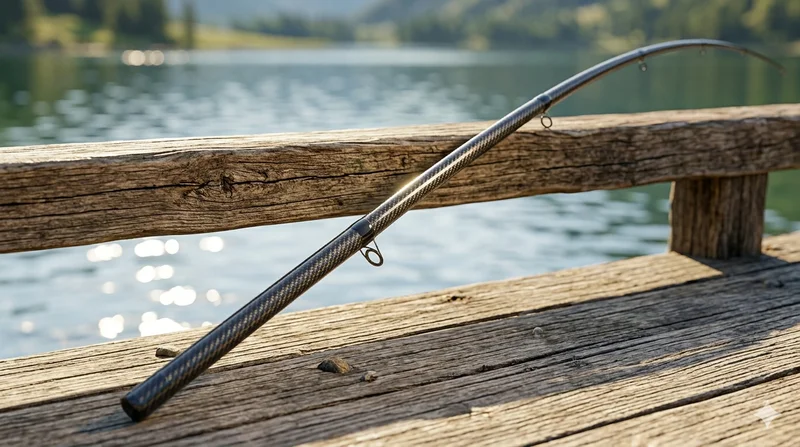
High-quality carbon fiber fishing rod blank manufactured from multiple grades of Toray carbon fiber cloth. Available in a wide range of lengths, powers, and actions for freshwater and saltwater applications. Suitable for OEM rod building.
Carbon Fiber Plate — 3K Twill T700 3.0mm
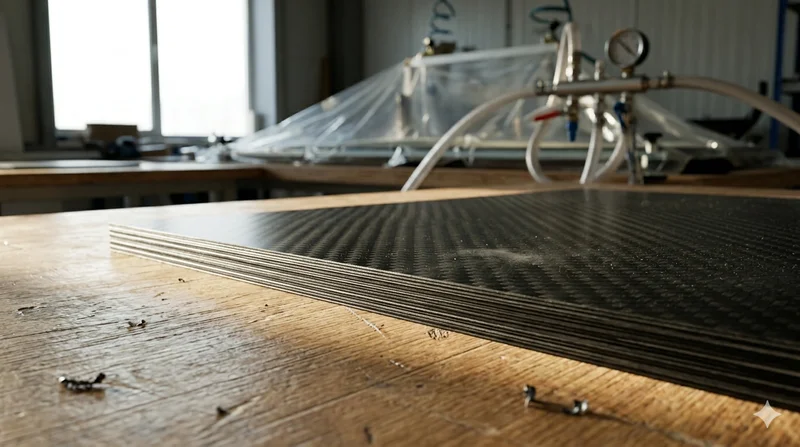
Medium-thickness 3.0mm carbon fiber plate offering significantly higher load capacity while maintaining attractive 3K twill finish. Suitable for structural brackets, reinforcement plates, and load-bearing panels.
Carbon Fiber Plate — 3K Twill T700 1.5mm
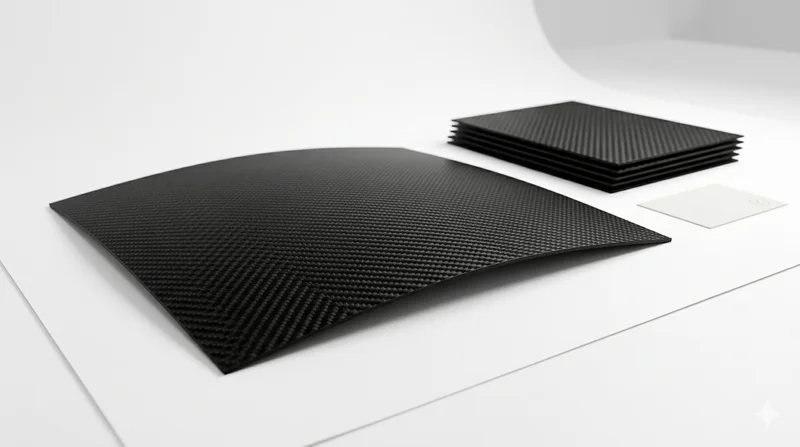
Thin 1.5mm carbon fiber plate with 3K twill weave surface. Lightweight and stiff, commonly used for covers, panels, drone bodies, and applications requiring a premium aesthetic appearance.
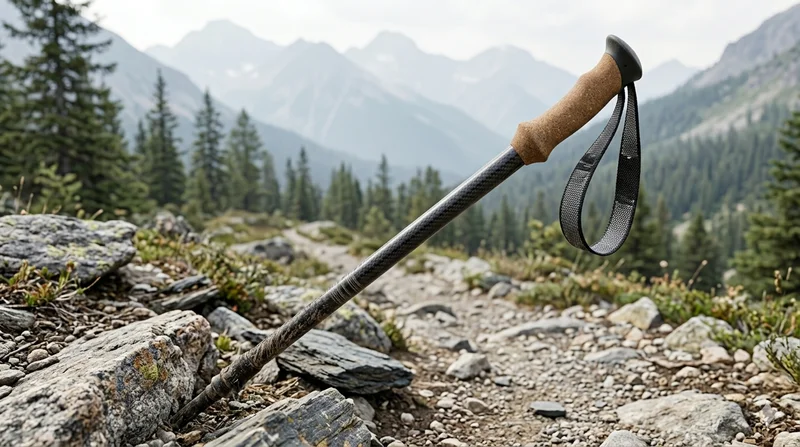
Carbon Fiber Trekking Pole
Lightweight carbon fiber trekking pole manufactured from high-grade carbon fiber tube. Weighs only 160g per pole while providing superior shock absorption and durability for hiking, trail running, and backpacking.
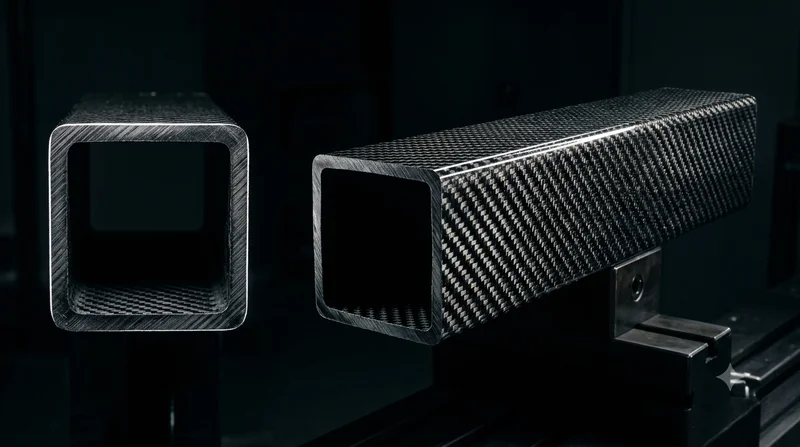
Square Carbon Fiber Tube — 3K Twill T700
Square cross-section carbon fiber tube manufactured with 3K twill weave for torsional strength. Preferred for structural frames, trusses, and support columns where rectangular geometry offers design flexibility.