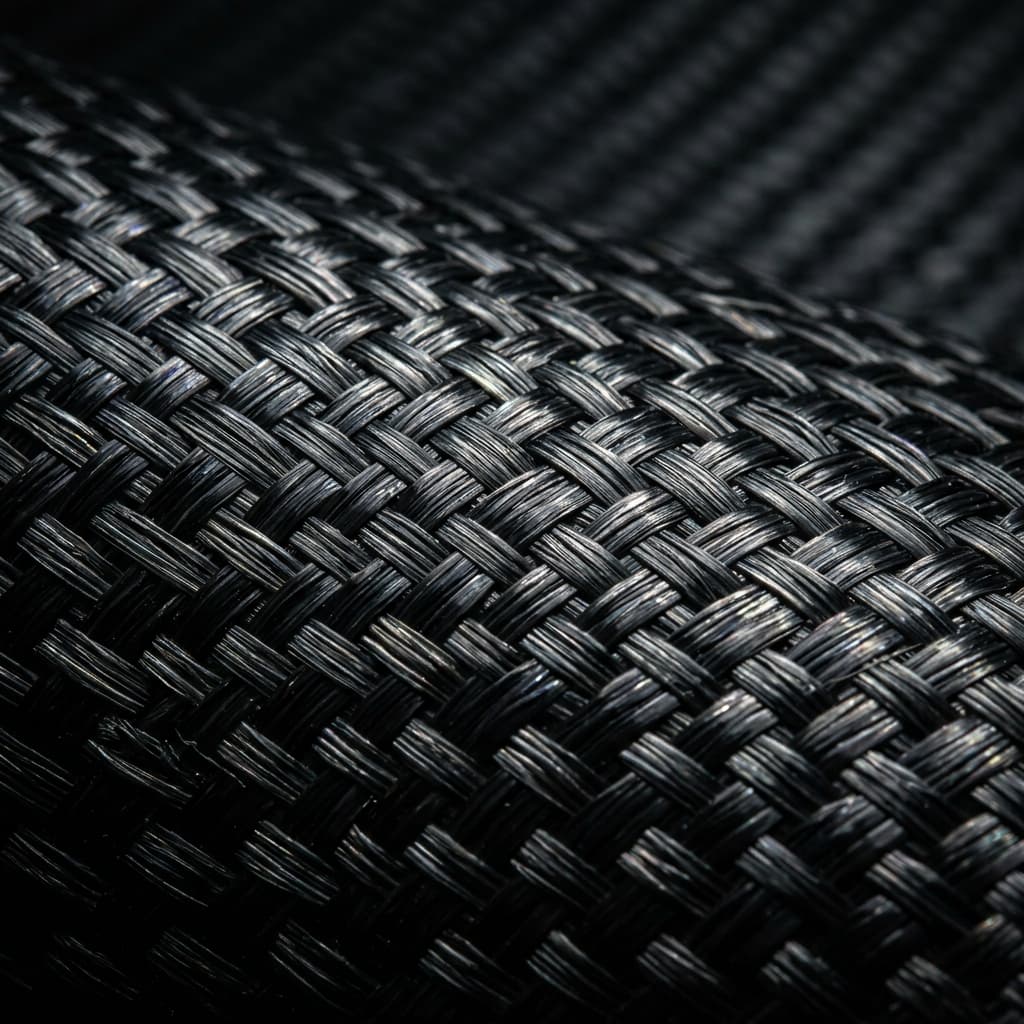
Carbon fiber rod for sale is a category that looks simple from the outside but separates serious composite suppliers from resellers the moment you ask about inventory. A carbon fiber rod, also called a CFRP rod or composite rod, is a pultruded or filament-wound round bar made from continuous carbon
Introduction
Carbon fiber rod for sale is a category that looks simple from the outside but separates serious composite suppliers from resellers the moment you ask about inventory. A carbon fiber rod, also called a CFRP rod or composite rod, is a pultruded or filament-wound round bar made from continuous carbon fiber tow in an epoxy or vinyl ester matrix. Buyers search for carbon fiber rod for sale — or simply a composite rod for sale — for drone frames, RC aircraft spars, kite spars, structural reinforcement, and automation components, and most of them discover the same problem: many sellers advertise the product but hold no stock, quoting production lead times of three to six weeks for what should be a same-week shipment.
This guide covers the practical side of buying carbon fiber rod for sale: which diameters and lengths are commonly stocked, how custom cutting services are priced and executed, what a trustworthy CFRP rod inventory looks like, and the quality checks that prevent a bad batch from ruining a production run. It is written for purchasing managers, drone and robotics engineers, and small-batch manufacturers who need rod material they can actually rely on.
Carbon Fiber Rod for Sale: Standard In-Stock Diameters and Lengths
Most suppliers that hold a genuine carbon fiber rod inventory stock a predictable range of diameters because pultrusion tooling is expensive and each die size represents a committed production line. The table below summarizes the typical in-stock range from established composite suppliers:
| Diameter | Typical Stock Length | Common Tolerance | Typical Use |
|---|---|---|---|
| 1 mm | 1 m | ±0.05 mm | Fine kite spars, model aircraft |
| 2 mm | 1 m | ±0.05 mm | RC pushrods, wing spars |
| 3 mm | 1 m | ±0.05 mm | Quadcopter arms, antenna masts |
| 4 mm | 1 m | ±0.1 mm | Drone booms, frame struts |
| 6 mm | 1 m | ±0.1 mm | Structural braces, rollers |
| 8 mm | 1 m | ±0.1 mm | Automation shafts, guides |
| 10 mm | 1 m | ±0.1 mm | Lightweight structural members |
| 12 mm | 1 m | ±0.15 mm | Heavy-duty frames, rollers |
Diameters between 1 mm and 12 mm cover the overwhelming majority of demand for carbon fiber rod for sale. Larger diameters, from 14 mm to 40 mm, are usually pultruded to order because their volume does not justify permanent tooling in most stock programs. Standard stock length is 1 meter in most markets; some suppliers also keep 500 mm and 2 m lengths, but 1 m is the default because it ships economically in standard courier tubes and covers most drone and RC applications without offcut waste.
Custom Cutting of Carbon Fiber Rod: What You Actually Get
A custom cutting service converts a stocked rod into the exact lengths your drawing requires, and it is the service that separates a working supplier relationship from a frustrating one. The service typically includes cutting to length, squaring or chamfering the ends, and optional drilling or threading for mechanical attachment.
- Cut to length: The rod is cut to your specified length, usually with a tolerance of ±0.5 mm on standard production cuts and ±0.2 mm for precision cuts made on CNC saws.
- End finishing: Squared ends for butt joints, chamfered ends for easier insertion into sockets, or rounded ends where the rod will slide through guides.
- Drilling and threading: Cross holes for pins, axial holes for mounting, or threaded ends where the rod must bolt into a structure. Threading carbon fiber is delicate because the material splinters easily, and not every supplier offers it.
- Surface treatment: Some buyers request a light sanding or a protective lacquer on cut faces to prevent fiber fraying during handling.
Pricing for custom cutting is normally calculated per cut plus a small setup fee. Typical rates are $0.10-0.30 per cut for standard straight cuts, $0.50-1.00 per cut for chamfered or drilled ends, and a modest minimum order to cover machine setup. When comparing quotes for carbon fiber rod for sale with cutting, the deciding factor is usually not the per-meter price but the cutting accuracy and the supplier's willingness to document tolerances in writing.
How to Evaluate a CFRP Rod Inventory
Not every supplier that lists carbon fiber rod for sale actually holds a CFRP rod inventory worth trusting. Before placing an order, verify three things: physical stock, batch traceability, and quality documentation. A supplier with real inventory can quote a shipment date in days, not weeks, and can tell you which production batch a given rod comes from. Quality documentation should include the fiber type (typically T700 or T300 grade), fiber volume fraction, density, and a flexural or tensile strength figure.
Mechanical properties matter because pultruded rod is only as good as its fiber volume fraction. A well-made pultruded rod runs at 60-68% fiber volume, giving a flexural strength in the 1200-1800 MPa range depending on fiber grade and resin system. Cheaper rods produced with lower fiber content or poorly cured resin can fail at half that performance while looking identical on the outside. Reputable suppliers publish typical values and can supply a mill certificate or test report on request, which is a strong signal that the inventory is genuine and consistent.
Quality Checks Before You Commit
When you buy carbon fiber rod in quantity, a small quality routine protects your production run. Start with a visual inspection of the surface: a quality rod has a smooth, continuous surface with no visible fiber wash, voids, or resin-rich patches. Second, check the straightness. A 1-meter rod should show no more than a few millimeters of bow when rolled on a flat surface; excessive curvature indicates poor pultrusion process control. Third, verify the diameter at both ends and at the middle with a caliper, because taper along the length is a common defect in cheap production.
For structural applications, request a flexural test report from the batch. The three-point bend test is the standard method for rod verification, and a trustworthy supplier will have the data from their incoming or in-process testing. If the supplier cannot produce any test data, treat the quote as a commodity purchase and assume the material will be suitable only for non-structural uses until proven otherwise.
Frequently Asked Questions
What diameters of carbon fiber rod for sale are typically in stock?
Most suppliers stock 1 mm to 12 mm diameters in 1-meter lengths, with the most common sizes being 3 mm, 4 mm, and 6 mm. Larger diameters from 14 mm to 40 mm are generally made to order. Tolerance on stocked diameters is typically ±0.05 mm to ±0.15 mm depending on size.
How does custom cutting of carbon fiber rod work?
You specify lengths, end finishing (squared, chamfered, or rounded), and any drilling or threading. The supplier cuts your lengths from stocked rod, usually within ±0.5 mm for standard cuts, and charges per cut plus a setup fee. Precision cuts to ±0.2 mm are available on CNC equipment.
How do I know a CFRP rod inventory is genuine and not drop-shipped?
Ask for the production batch, shipment time, and quality documentation including fiber type, fiber volume fraction, and a flexural test report. A supplier with physical stock ships in days and can trace rods to a batch; a drop-shipper quotes three-to-six-week lead times and cannot produce test data.
Can carbon fiber rod be drilled and threaded?
Yes, but the work is delicate because the material splinters easily. Axial holes and cross holes for pins are common, and threaded ends are possible for bolts, though thread strength is lower than in metal. Not all suppliers offer these services, so confirm before ordering.
Conclusion
Buying carbon fiber rod for sale comes down to three questions: does the supplier hold real stock, can they cut it to your exact specification, and can they prove the material quality with data. Standard diameters from 1 mm to 12 mm cover most drone, RC, robotics, and structural applications, and a reliable custom cutting service turns a commodity rod purchase into a dependable production input. A genuine CFRP rod inventory, transparent tolerances, and a published flexural test report separate suppliers you can schedule production around from resellers who simply forward orders.
YongXian stocks carbon fiber rods in standard diameters with custom cutting, chamfering, and drilling services, and supplies mill-tested material for drone, robotics, and structural applications worldwide. Explore our carbon fiber product range or contact our team for stock availability and cutting specifications.
Part of topic
Related Articles
- Carbon Fiber Rods for Sale: Bulk Pricing and Wholesale Distribution
- Carbon Fiber Sheet Amazon: What to Buy Online vs Direct from Manufacturer
- Carbon Fiber Manufacturing Near Me: Finding Local Production Partners
- Carbon Fiber Tube Suppliers: Global Directory and Comparison
- Carbon Fiber Sheet for Sale: In-Stock Inventory and Custom Order Lead Times
- Carbon Fiber Sheet Supplier: Direct Factory Pricing and Custom Cut-to-Size Services
Interested in Our Products?
Contact our team for competitive pricing and technical specifications.
Get a QuoteRelated Products
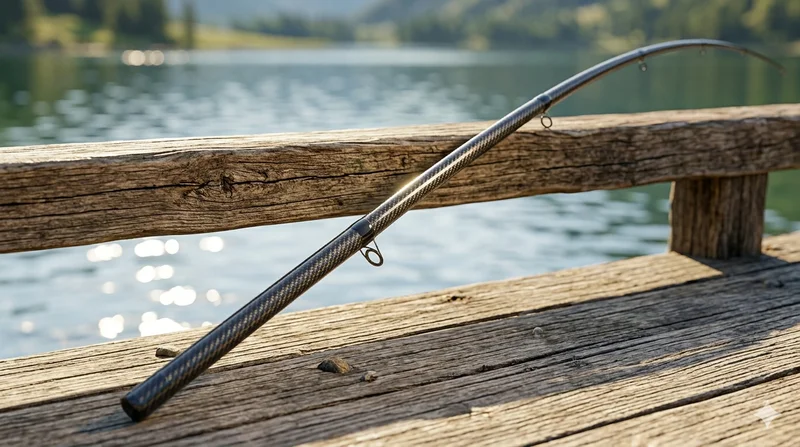
Carbon Fiber Fishing Rod Blank
High-quality carbon fiber fishing rod blank manufactured from multiple grades of Toray carbon fiber cloth. Available in a wide range of lengths, powers, and actions for freshwater and saltwater applications. Suitable for OEM rod building.

Carbon Fiber Plate — 3K Twill T700 3.0mm
Medium-thickness 3.0mm carbon fiber plate offering significantly higher load capacity while maintaining attractive 3K twill finish. Suitable for structural brackets, reinforcement plates, and load-bearing panels.

Carbon Fiber Plate — 3K Twill T700 1.5mm
Thin 1.5mm carbon fiber plate with 3K twill weave surface. Lightweight and stiff, commonly used for covers, panels, drone bodies, and applications requiring a premium aesthetic appearance.
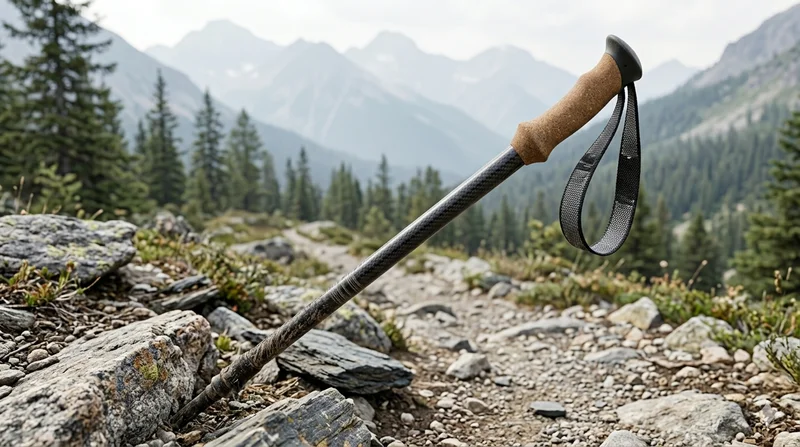
Carbon Fiber Trekking Pole
Lightweight carbon fiber trekking pole manufactured from high-grade carbon fiber tube. Weighs only 160g per pole while providing superior shock absorption and durability for hiking, trail running, and backpacking.

Square Carbon Fiber Tube — 3K Twill T700
Square cross-section carbon fiber tube manufactured with 3K twill weave for torsional strength. Preferred for structural frames, trusses, and support columns where rectangular geometry offers design flexibility.