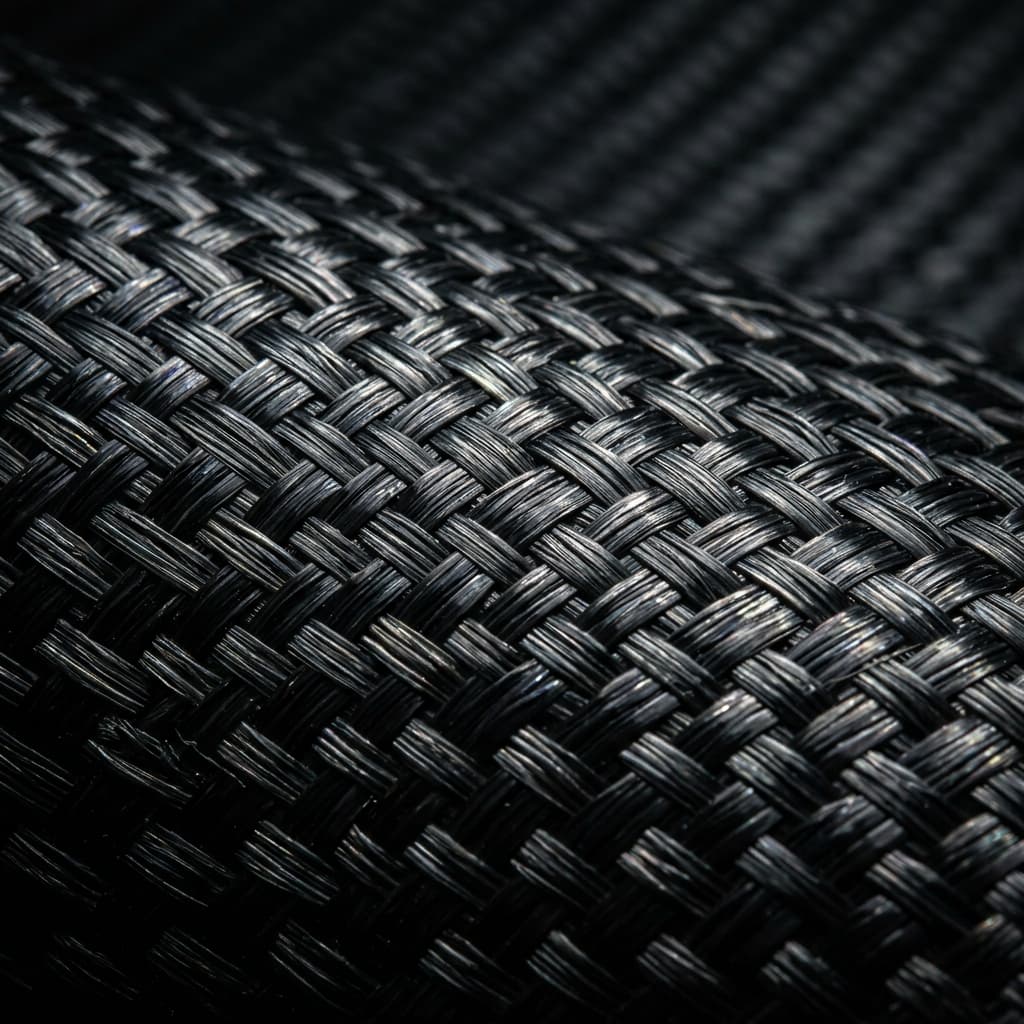
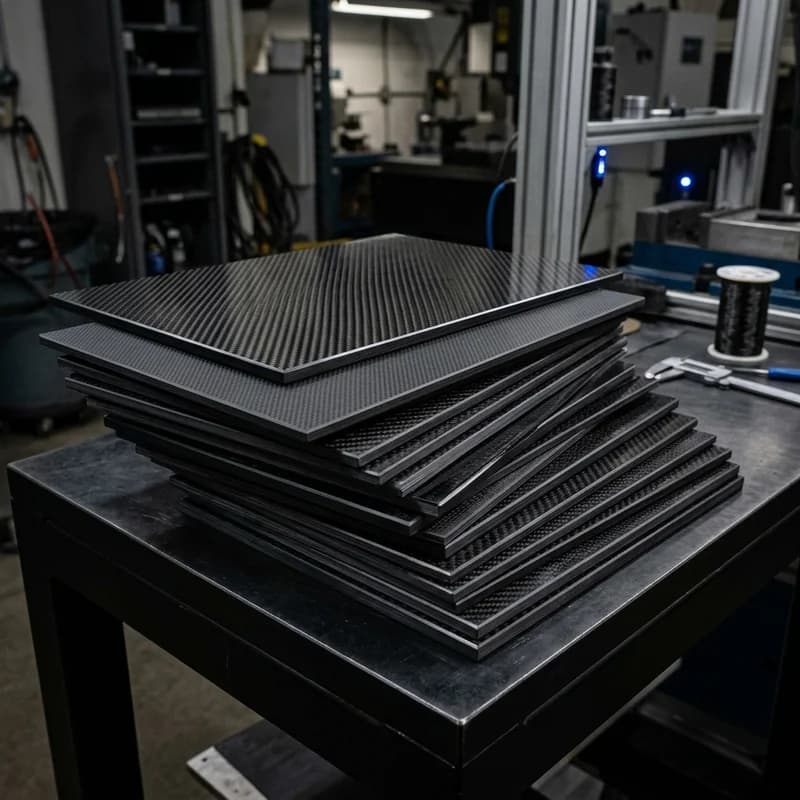
Carbon fiber standard plate-3k stripe
Lightweight, ultra-rigid standard sheets for drone fuselages, robot housings, facades and structural applications.
Key Features
Applications
Specifications
- Material
- T700 3K Carbon Fiber
- Fiber Orientation
- ±45° / 0°/90°
- Outer Diameter
- 10–100 mm
- Max Length
- 2000 mm
- Surface Finish
- Matte / Glossy / UV-Protected
Usually respond within 24 hours
Frequently Asked Questions
What is the minimum order quantity for carbon fiber products?
What color and finish options are available?
What is the typical lead time?
Related Articles
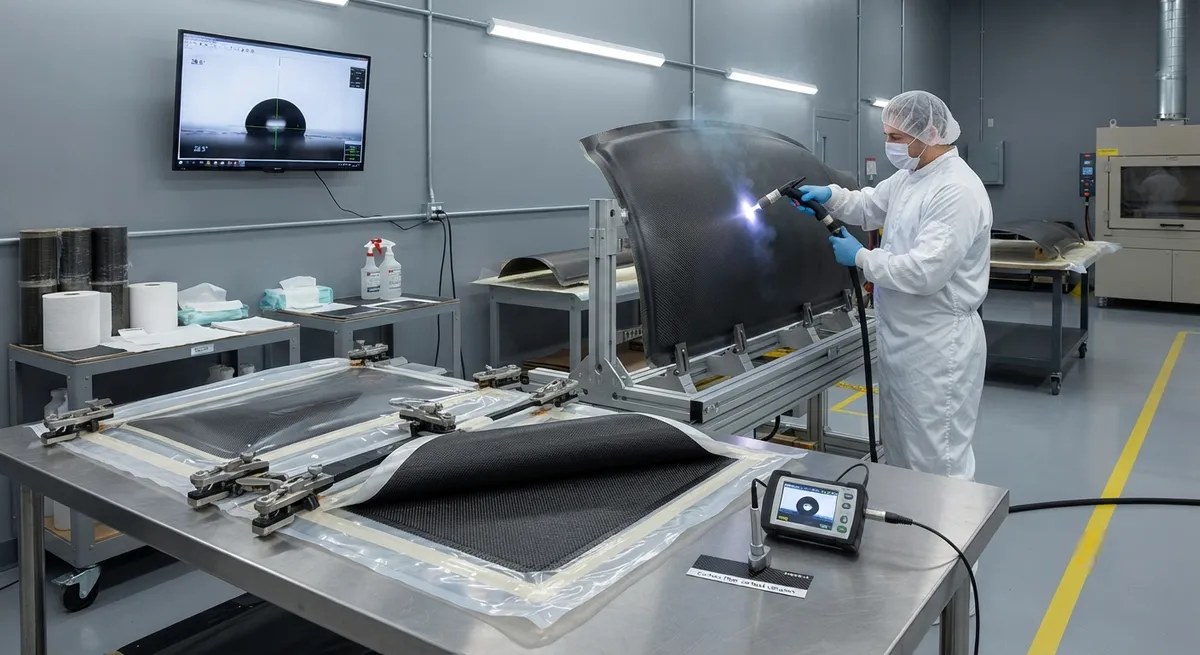
Adhesive Bonding of Carbon Fiber: Surface Preparation Methods, Bondline Control, and Quality Assurance per AC 21.26
Adhesive bonding has become the preferred joining method for carbon fiber composite structures in aerospace, automotive, and wind energy applications. Unlike mechanical fastening, which drills holes that cut load-bearing fibers and create local stress concentrations, adhesive bonding di
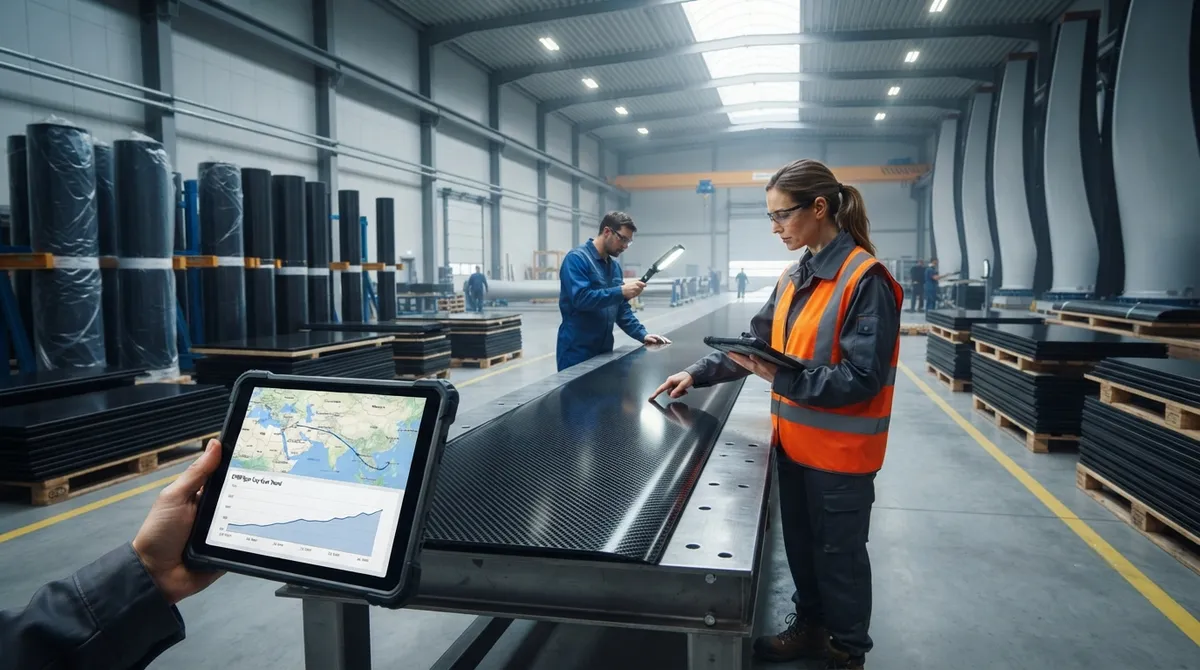
Wind Blade Carbon Fiber and China Dependency: Supply Concentration, OEM Margin Pressure, and Diversification Strategies
Wind turbine blades are the largest industrial consumer of large-tow carbon fiber in the world outside China. A modern 100-meter plus blade bends under gravity and wind loads, and its structural performance comes from layers of unidirectional carbon fiber in the spar caps and shear webs
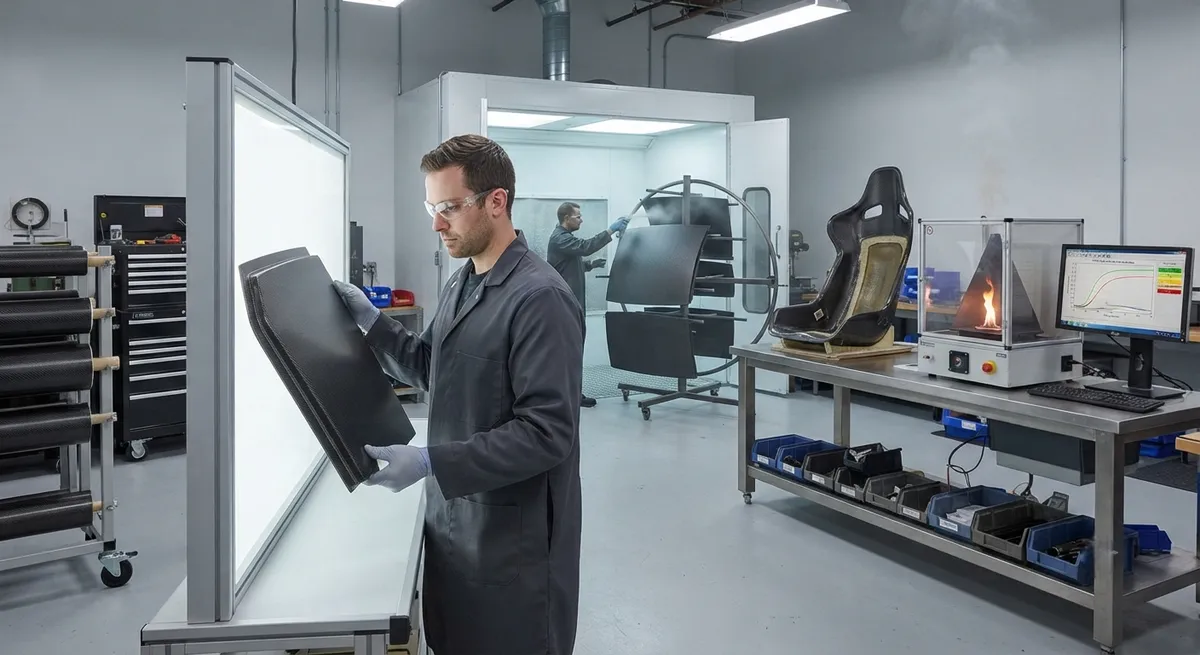
Fire-Retardant Carbon Fiber Composites for Transportation: Resin Additives, Intumescent Systems, and Test Standards
Carbon fiber composites combine high specific stiffness with weight savings and design freedom, which is why they are spreading from aerospace into railway car bodies, aircraft interiors, automotive interior panels, and battery enclosures for electric vehicles. Fire regulators, however,
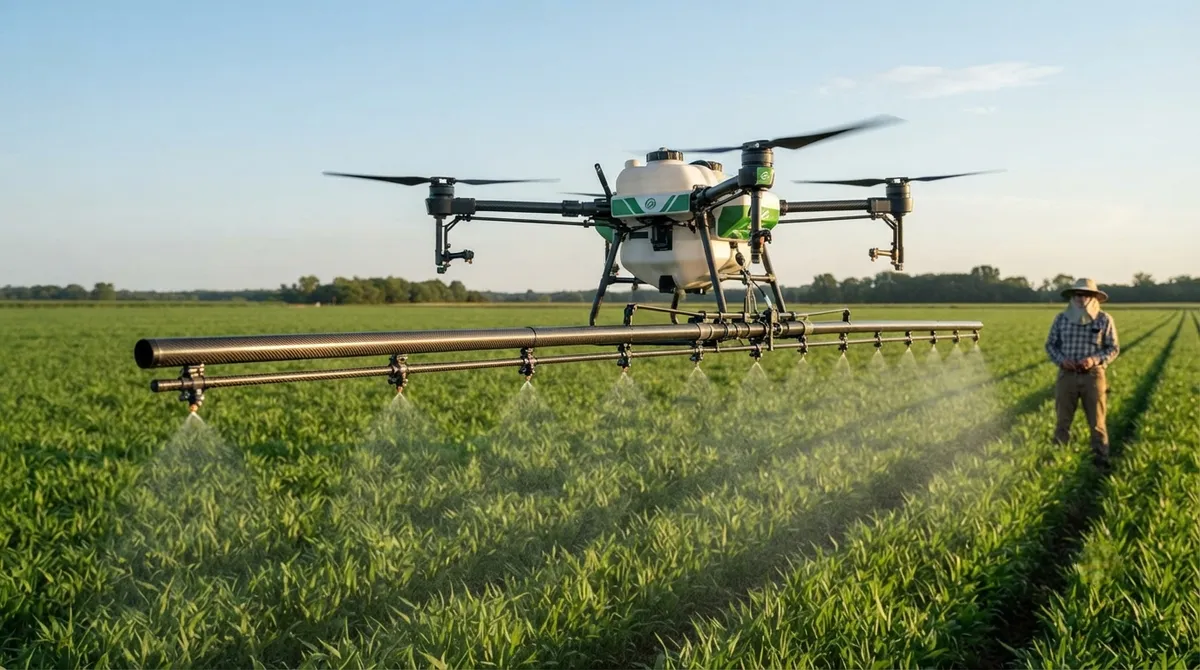
Carbon Fiber Agricultural Drone Sprayer Booms: Corrosion Resistance, Stiffness, and Payload Efficiency
Agricultural drones have moved from a novelty to a core production tool in large-scale crop protection. A single rotary-wing platform with a 10-20 liter chemical tank can cover 15-30 hectares per hour, replacing manual backpack spraying and reducing chemical exposure for workers. One co
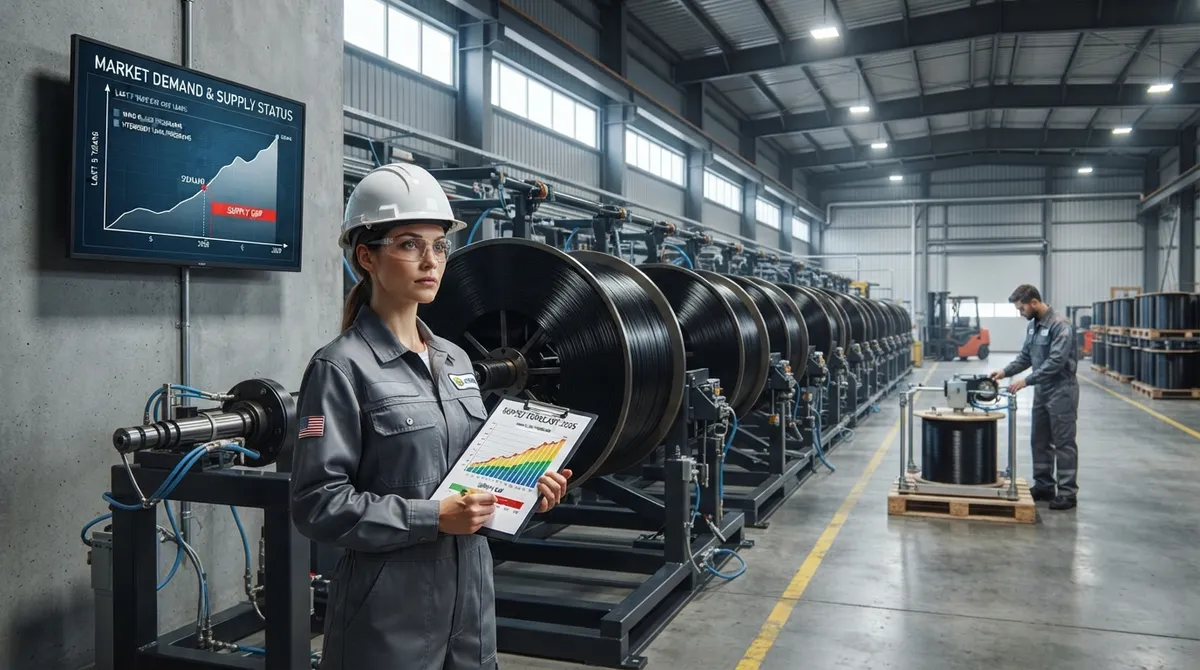
Large-Tow Carbon Fiber Supply Outlook: Shortage Risk Beyond 2028 and Strategic Sourcing for Wind and Hydrogen Buyers
Large-tow carbon fiber — practical fiber sold as 48K, 50K, and 60K tows — is the workhorse of energy-transition structural applications. It is the specified reinforcement for large wind turbine spar caps and shear webs, the standard for high-pressure hydrogen storage vessels, and increa
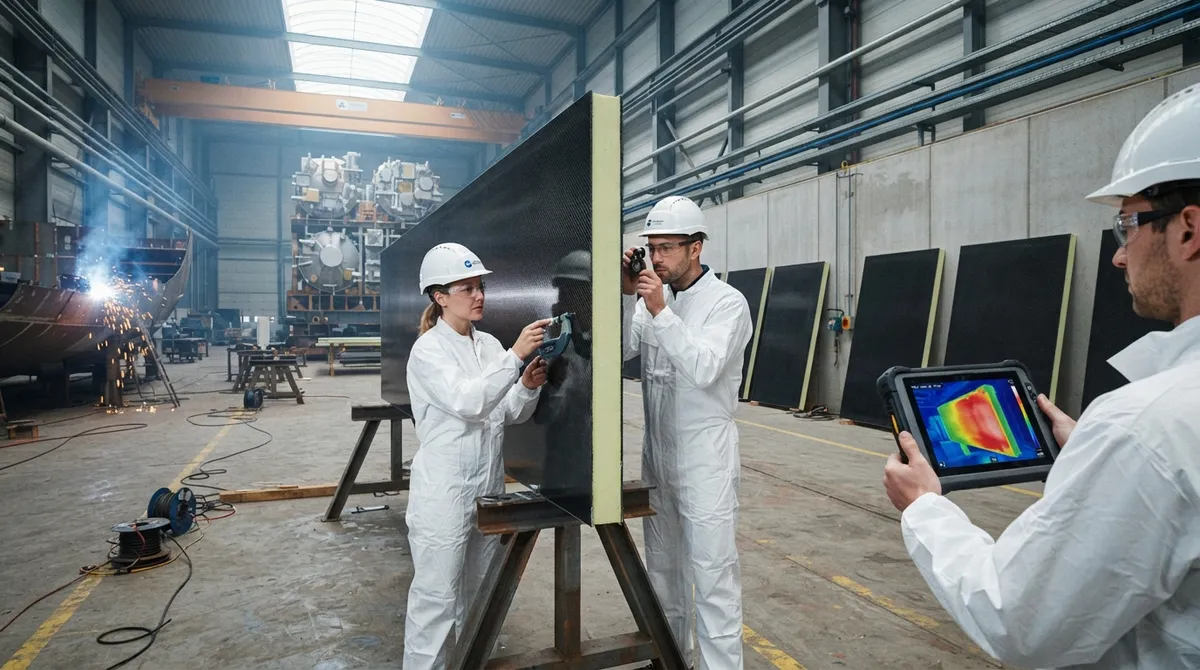
Cryogenic Insulation Structures for LNG and Hydrogen: Carbon Fiber Sandwich Panels and Thermal Break Design
Liquefied natural gas (LNG) is shipped and stored at its boiling point of −162°C, and liquid hydrogen (LH2) is handled at −253°C, only twenty degrees above absolute zero. At these temperatures, the temperature difference between the cargo and the ambient environment drives a continuous