Carbon Fiber Robotic Arm Tube — High-Stiffness Lightweight Replacement
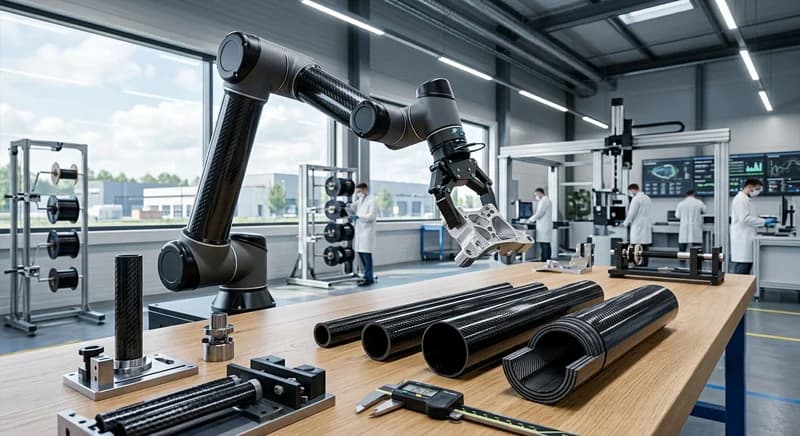
Precision-wound carbon fiber tubes for robotic arm links, replacing steel or aluminum in collaborative robots (cobots) and industrial manipulators. Achieve 3× the specific stiffness of aluminum with significant weight reduction, enabling faster acceleration and higher payload capacity.
Key Features
Applications
Specifications
- Material
- T700 / T800 / M55J Carbon Fiber
- OD Range
- 10-200 mm
- Wall Thickness
- 1-8 mm (Customizable)
- Specific Stiffness
- 133 GPa/(g/cm³) vs 26 (Al) / 26 (Steel)
- Process
- Filament Winding / Roll Wrapping
Usually respond within 24 hours
Frequently Asked Questions
What is the minimum order quantity for carbon fiber products?
What color and finish options are available?
What is the typical lead time?
Related Articles
Filament Wound Epoxy Tubes Advantages: Over Metal and Pultruded Alternatives
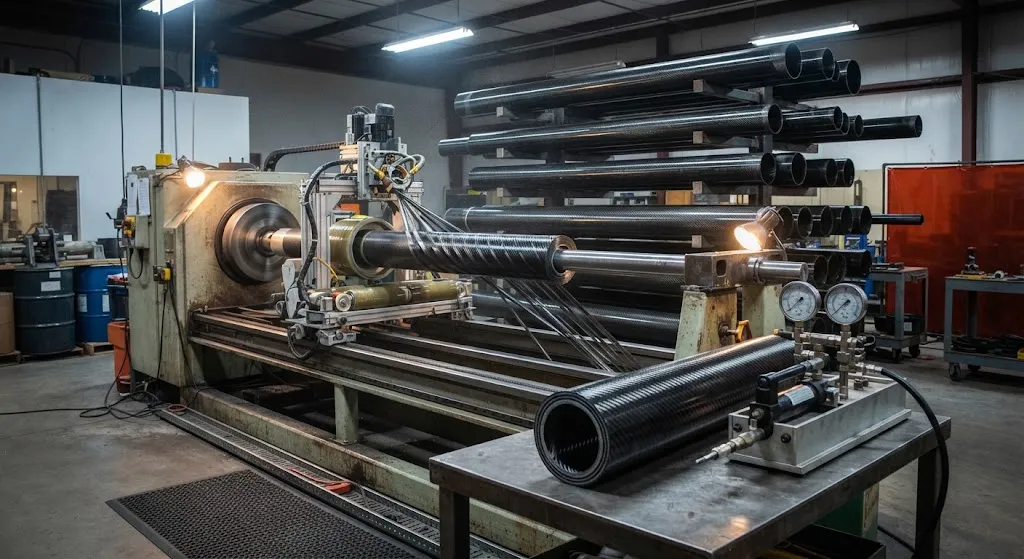
Filament wound epoxy tubes are manufactured by winding continuous carbon or glass fiber, impregnated with epoxy resin, onto a rotating mandrel at controlled angles. The process is one of the oldest and most reliable in composite manufacturing, and its advantages over metal tubes — and over pultruded
Filament Wound Epoxy Tubes: Mechanical Properties and Material Data Sheets
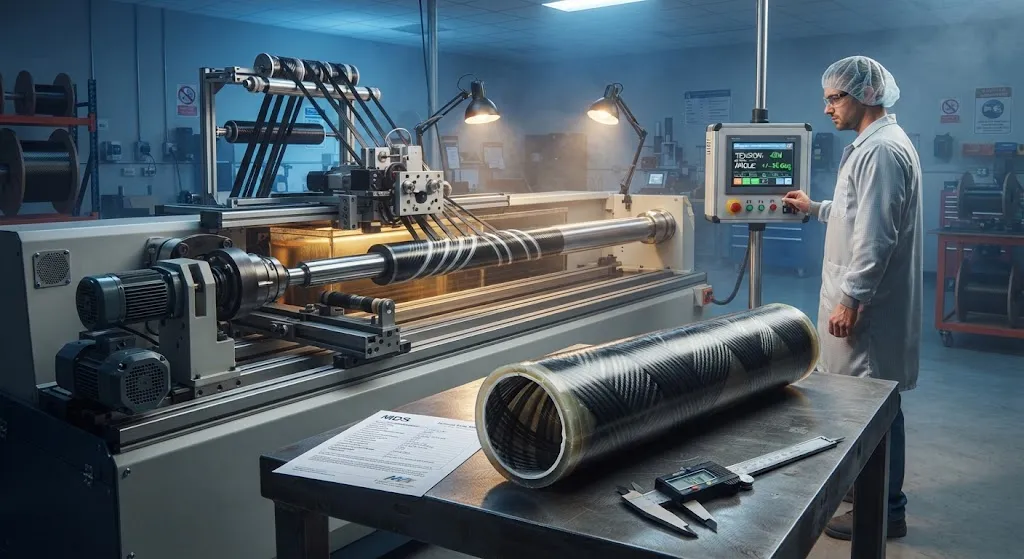
Filament wound epoxy tubes properties determine whether a lightweight tube can carry a drive torque, hold internal pressure, or resist bending on a long span. A filament wound epoxy tube is built by winding continuous glass, carbon, or aramid fibers around a rotating mandrel at a controlled angle wh
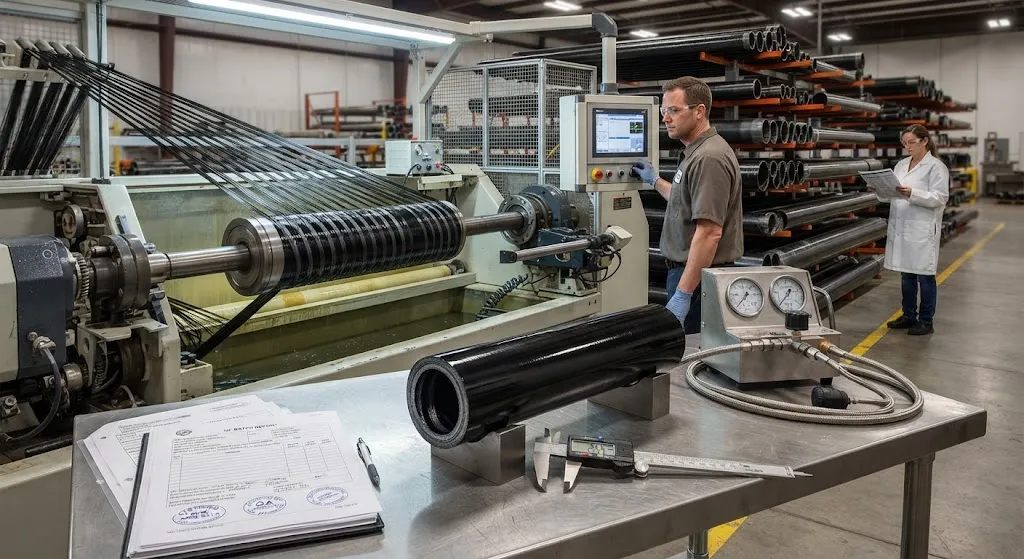
Filament Wound Epoxy Tubes: Industry Standards and Compliance Requirements
Filament wound epoxy tubes standards exist because a composite pipe is only as trustworthy as the specification it was built to. A filament wound epoxy tube carries pressure, resists corrosion, and often supports its own weight across long spans, so the industry has developed a layered set of norms
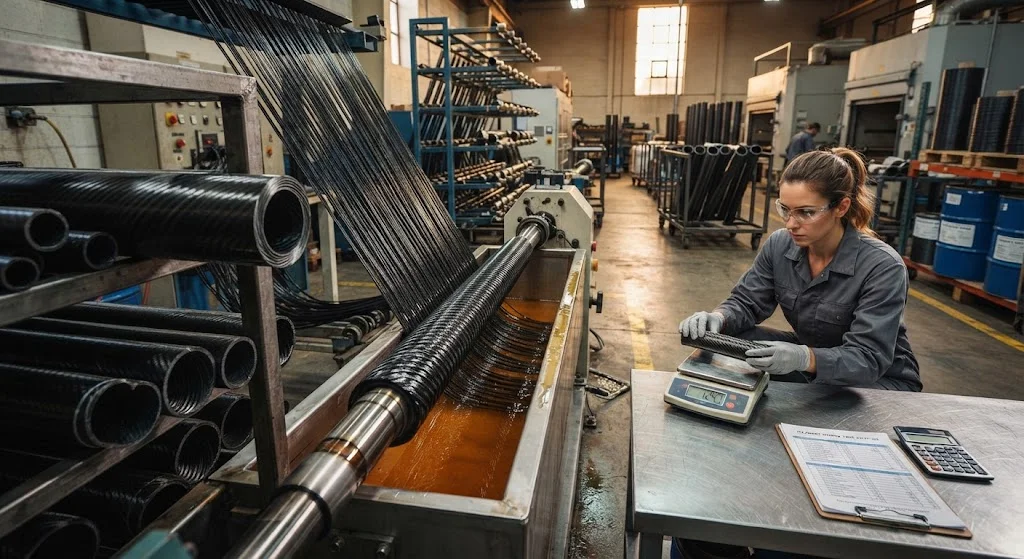
Filament Wound Epoxy Tubes Cost: Materials, Process and Volume Pricing
Understanding filament wound epoxy tubes cost is essential for any engineer or buyer specifying composite tubes for structural, pressure or drive-shaft applications. Unlike standard metal tube pricing, which follows commodity steel or aluminum prices, a filament wound epoxy tube is priced from a sta
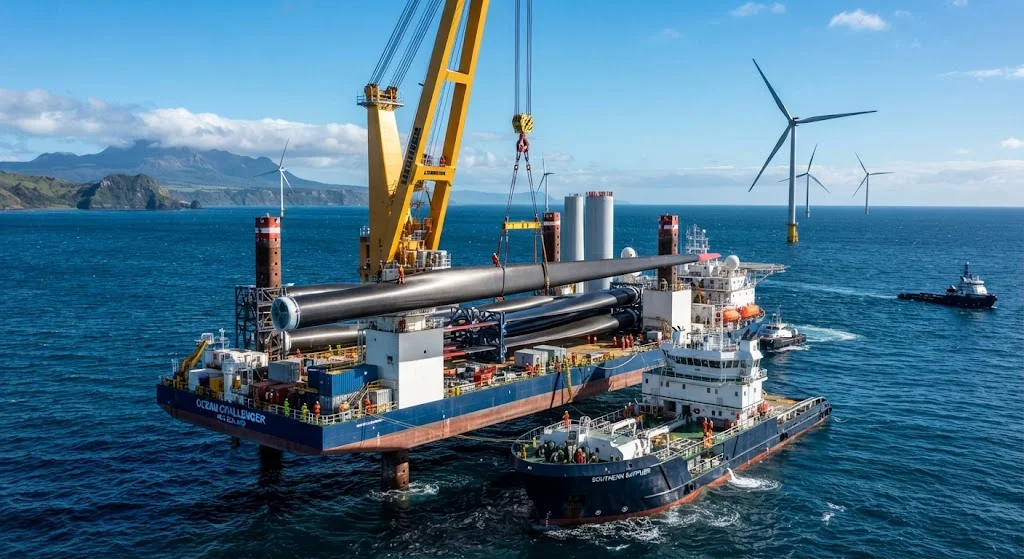
New Zealand Composite Demand: Wind Push, America's Cup Marine Engineering and Geothermal Synergies
Most conversations about carbon fiber demand begin with China, Germany or the United States, and for good reason: those markets consume volume. New Zealand consumes almost none by comparison, yet it offers a market profile that B2B composite suppliers increasingly covet — low volume, hi
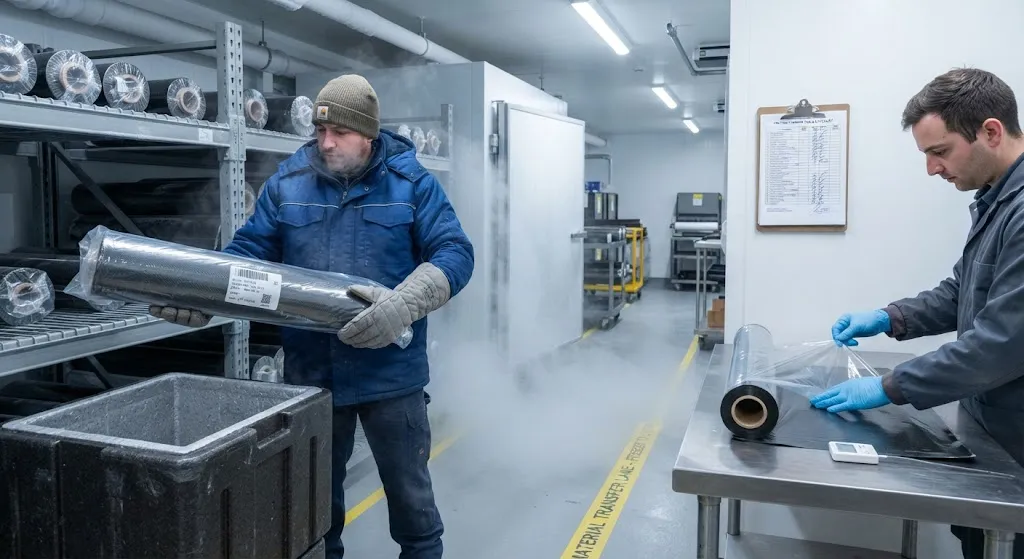
Prepreg Out-Life and Cold-Chain Management: Shelf-Life Budgets, Re-Test Gates and Waste Reduction
Every roll of prepreg in a composites factory is a small race against chemistry. The resin that will eventually become the cured matrix is designed to stay dormant at minus 18 degrees Celsius, but the moment the roll leaves the freezer the cure reaction resumes at a slow, measurable rat