Carbon fiber sheet lead time is one of the most common questions procurement teams ask after confirming specifications and carbon fiber sheet price. A quoted lead time affects project milestones, inventory planning, and downstream assembly schedules. Yet the number on a quotation is rarely fixed; it
Introduction
Carbon fiber sheet lead time is one of the most common questions procurement teams ask after confirming specifications and carbon fiber sheet price. A quoted lead time affects project milestones, inventory planning, and downstream assembly schedules. Yet the number on a quotation is rarely fixed; it shifts with material availability, curing capacity, finishing requirements, and shipping method. This guide gives you realistic benchmarks for different sheet types, explains the variables that stretch or compress timelines, and outlines planning tactics you can use with any carbon fiber sheet supplier to keep delivery predictable.
Whether you are buying stock panels or commissioning custom layups, understanding lead time mechanics helps you compare carbon fiber sheets suppliers on more than price alone. A supplier who communicates clearly about queue position, cure cycles, and inspection gates is often more valuable than one who quotes an optimistic date and misses it.
Typical Carbon Fiber Sheet Lead Time Benchmarks
Lead time starts when the order is confirmed and the deposit or PO is received, not when you first request a quote. The ranges below reflect common production schedules for export orders from established manufacturers.
| Sheet Type | Customization Level | Typical Lead Time | What Adds Time |
|---|---|---|---|
| Stock 3K Twill (Gloss/Matte) | None, standard size | 3-7 days | Picking, packing, and export docs only |
| Stock Plain Weave / Forged | None, standard size | 5-10 days | Lower stock turnover for some patterns |
| Custom Thickness or Layup | Non-stock spec | 10-20 days | Layup scheduling, cure cycle, trimming |
| Custom Size CNC Cut | Cut-to-drawing | 7-15 days | Programming, nesting, edge finishing |
| High-Thickness Plate (>10 mm) | Multi-layer cure | 15-25 days | Staged curing, slow cool-down, flatness checks |
| Colored / Hybrid / Special Weave | Special yarns | 15-30 days | Yarn procurement and batch qualification |
These benchmarks assume materials are on hand. If the carbon fiber sheet supplier needs to procure a specific prepreg, resin system, or colored fiber, add the material procurement window on top of the production time.
Key Factors That Influence Carbon Fiber Sheet Lead Time
Two orders with identical sheet specifications can have very different delivery dates. The difference usually comes down to the factors below.
- Material availability: Standard 3K prepreg is widely stocked; specialty fibers, high-modulus grades, or colored yarns may require weeks to source.
- Cure capacity and queue: Autoclaves and hot presses are shared resources. Your order competes with other jobs in the production queue.
- Layup complexity: Quasi-isotropic or multi-axial layups take longer to stack, debulk, and inspect than simple woven panels.
- Finishing requirements: CNC cutting, chamfering, drilling, coating, or tight flatness tolerances add secondary operations.
- Quality inspection: First-article reports, ultrasonic C-scan, or thickness mapping add time but reduce risk on critical parts.
- Shipping method: Air freight can deliver in 3-7 days after dispatch, while sea freight may take 20-40 days depending on destination.
When you request a quote, ask the supplier to break the timeline into material prep, production, inspection, and shipping. A transparent breakdown makes it easier to spot where delays are likely.
How to Plan Around Lead Time with Carbon Fiber Sheets Suppliers
Good planning reduces the chance that carbon fiber sheet lead time becomes a project bottleneck. The following practices work well for both prototype and production buyers.
- Lock specifications early: Changes to thickness, weave, or finish after PO placement usually reset the production clock.
- Order stock for prototyping: Validate your design with in-stock panels before committing to a custom production run.
- Ask for production slots: Reliable carbon fiber sheets suppliers can reserve cure capacity once you confirm a forecast.
- Build buffer into milestones: Add a 20-30 percent time buffer for first orders with a new supplier, then tighten it as performance is proven.
- Split shipments when possible: If you need part of the batch urgently, ask whether the supplier can ship a partial lot while the rest finishes.
For repeat programs, consider a blanket PO with scheduled releases. This lets the supplier plan material purchases and production slots while you receive sheets on a predictable cadence.
Lead Time vs. Carbon Fiber Sheet Price
Faster delivery often costs more. Expedited options may include overtime production, priority queue position, air freight, or splitting a batch from another run. Before paying a rush premium, compare the cost of expediting against the cost of a project delay. In many cases, switching from a custom layup to a stock sheet for the first build saves more time than any expedite fee can buy.
Ask your carbon fiber sheet supplier to quote both standard and expedited lead times. Seeing the delta side by side helps you make a rational trade-off rather than a reactive one.
Frequently Asked Questions
What is the fastest carbon fiber sheet lead time I can expect?
For in-stock standard sizes like 400x500 mm 3K twill, some carbon fiber sheets suppliers can ship within 3 to 5 business days after order confirmation. Custom specifications, special weaves, or high-thickness plates typically require 2 to 4 weeks because of layup, curing, and inspection steps.
Why did my carbon fiber sheet lead time change after I placed the order?
Common causes include material restocking delays, production queue shifts, added finishing operations, or quality holds during inspection. To reduce surprises, ask for a written production schedule and request updates at key milestones such as material receipt, cure completion, and final inspection.
How can I reduce carbon fiber sheet lead time without paying a rush fee?
Choose stock sizes and standard weaves, confirm specifications before placing the PO, and avoid mid-order changes. Sharing an accurate forecast also helps your carbon fiber sheet supplier pre-book materials and capacity, which shortens lead time without extra cost.
Conclusion
Carbon fiber sheet lead time depends on more than production speed. Material availability, cure capacity, finishing complexity, and shipping method all shape the final delivery date. By understanding these factors, requesting a transparent timeline breakdown, and planning with buffers and stock-first prototyping, you can keep your project on track. If you need a reliable carbon fiber sheet supplier for your next order, view our carbon fiber sheet options or contact our team for a quote with a clear production and delivery schedule.
Part of topic
Related Articles
- Carbon Fiber Tube Lead Time: Factors, Benchmarks and Planning
- Carbon Fiber Tube MOQ Supplier: Suppliers, Quantities and Tips
- Carbon Fiber Sheet Minimum Order Quantity: Suppliers, Quantities and Tips
- Carbon Fiber Rod Wholesale Price: Market Benchmarks and Drivers
- Carbon Fiber Plate Wholesale Price: Market Benchmarks and Drivers
- Carbon Fiber Tube Wholesale Price: Market Benchmarks and Drivers
Interested in Our Products?
Contact our team for competitive pricing and technical specifications.
Get a QuoteRelated Products
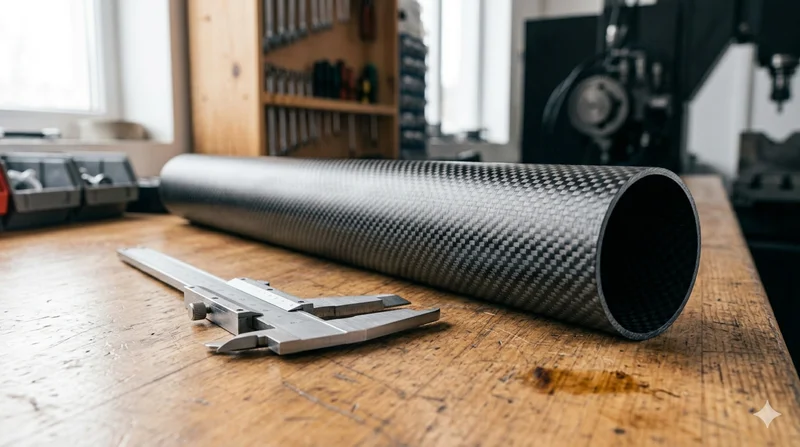
Round Carbon Fiber Tube — 3K Plain Weave T700
Standard round carbon fiber tube manufactured from Toray T700 grade fiber with 3K plain weave. Offers balanced strength and stiffness for general industrial applications including robotics, automation, sports equipment, and aerospace structures.
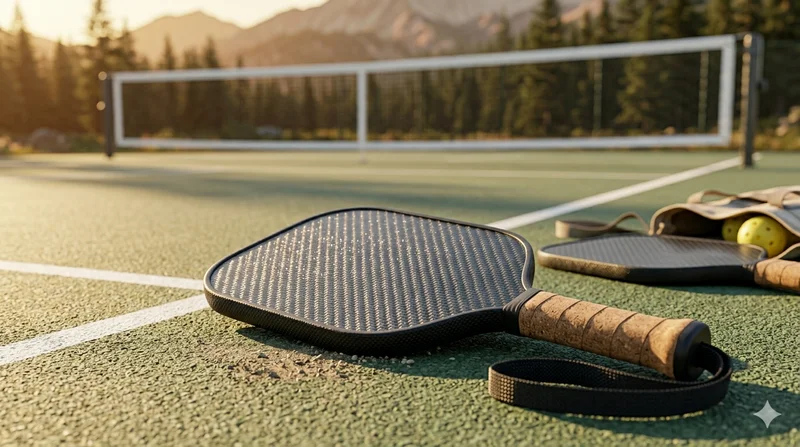
Carbon Fiber Pickleball Paddle
High-performance pickleball paddle with Toray T700 carbon fiber face and polypropylene honeycomb core. Delivers excellent power-to-weight ratio, spin generation, and vibration dampening for competitive play.
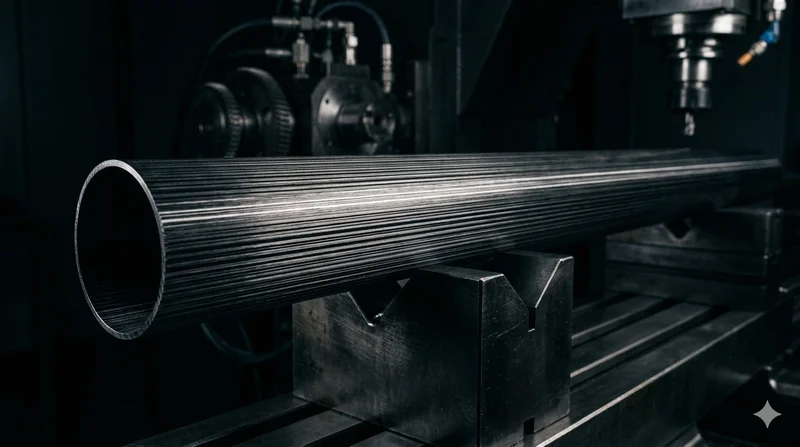
Round Carbon Fiber Tube — UD Unidirectional T700
Unidirectional (UD) round tube with all fibers aligned axially for maximum longitudinal stiffness. Ideal for applications requiring high bending rigidity with minimal weight, such as shafts, struts, and structural reinforcements.
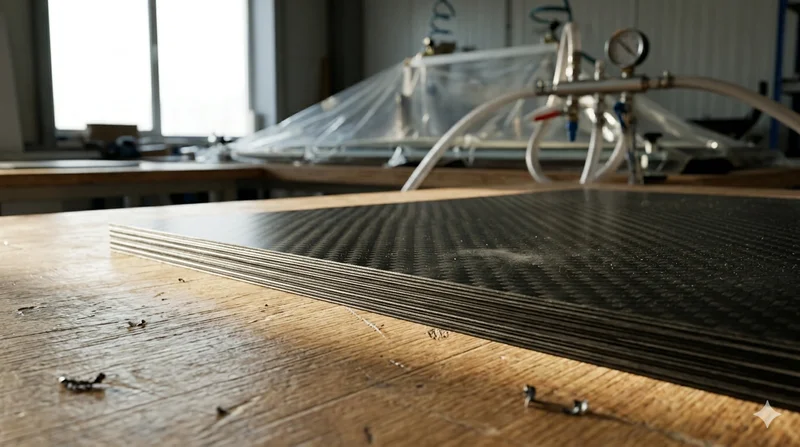
Carbon Fiber Plate — 3K Twill T700 3.0mm
Medium-thickness 3.0mm carbon fiber plate offering significantly higher load capacity while maintaining attractive 3K twill finish. Suitable for structural brackets, reinforcement plates, and load-bearing panels.
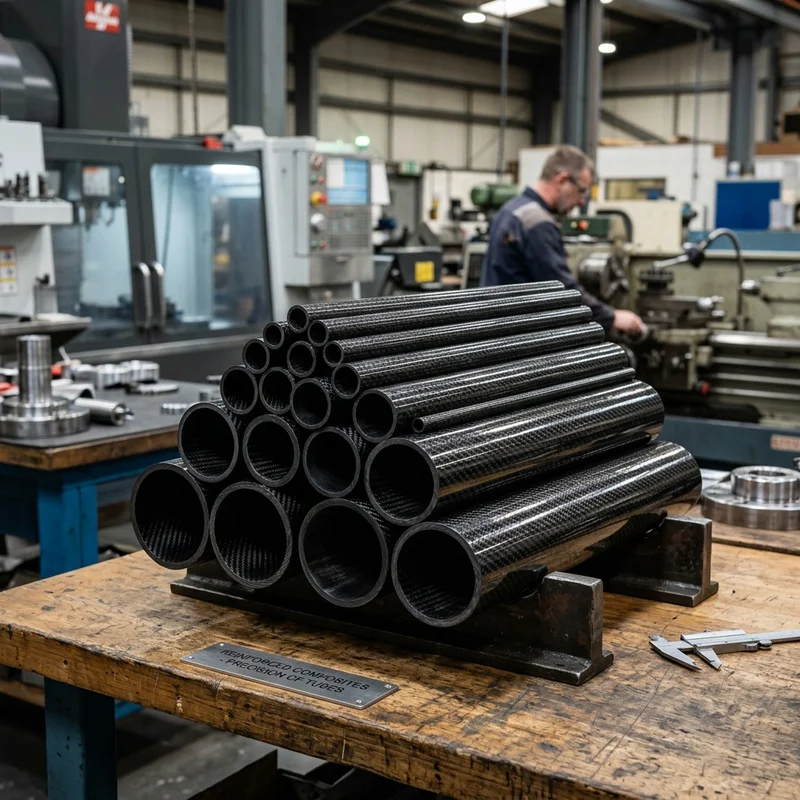
Round Carbon Fiber Tube — 3K Twill
Lightweight and ultra-stiff round tubes ideal for drone frames, robotics, and structural applications.